Bladderwrack
Bladderwrack is a brown seaweed clinging to rocky Atlantic shores. Its extract delivers a distinctive marine-mineral quality to fragrances, capturing the raw essence of ocean air and tidal pools.
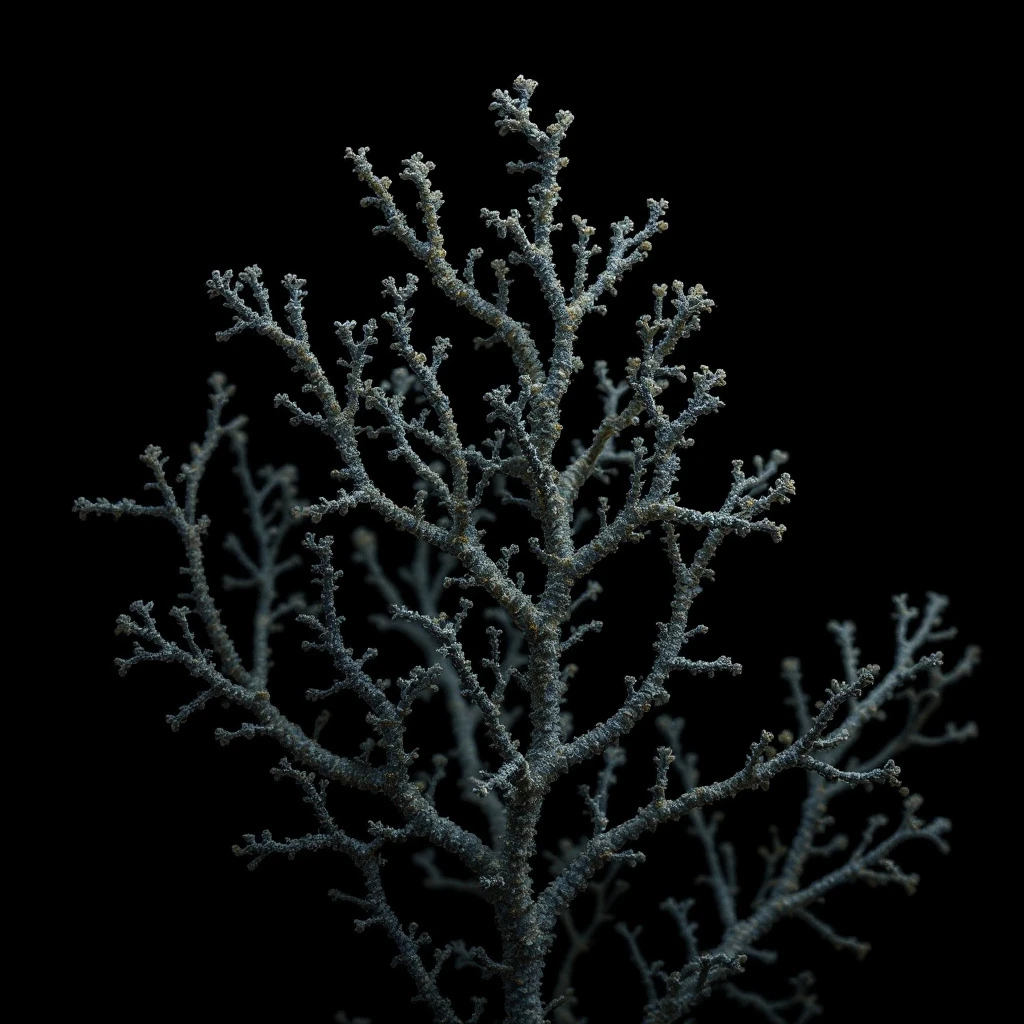
Character
How it smells
Oceanic depth from Atlantic tides.
Bladderwrack floats upright using air bladders along its fronds, a feature that inspired its name and once helped coastal foragers navigate open water.
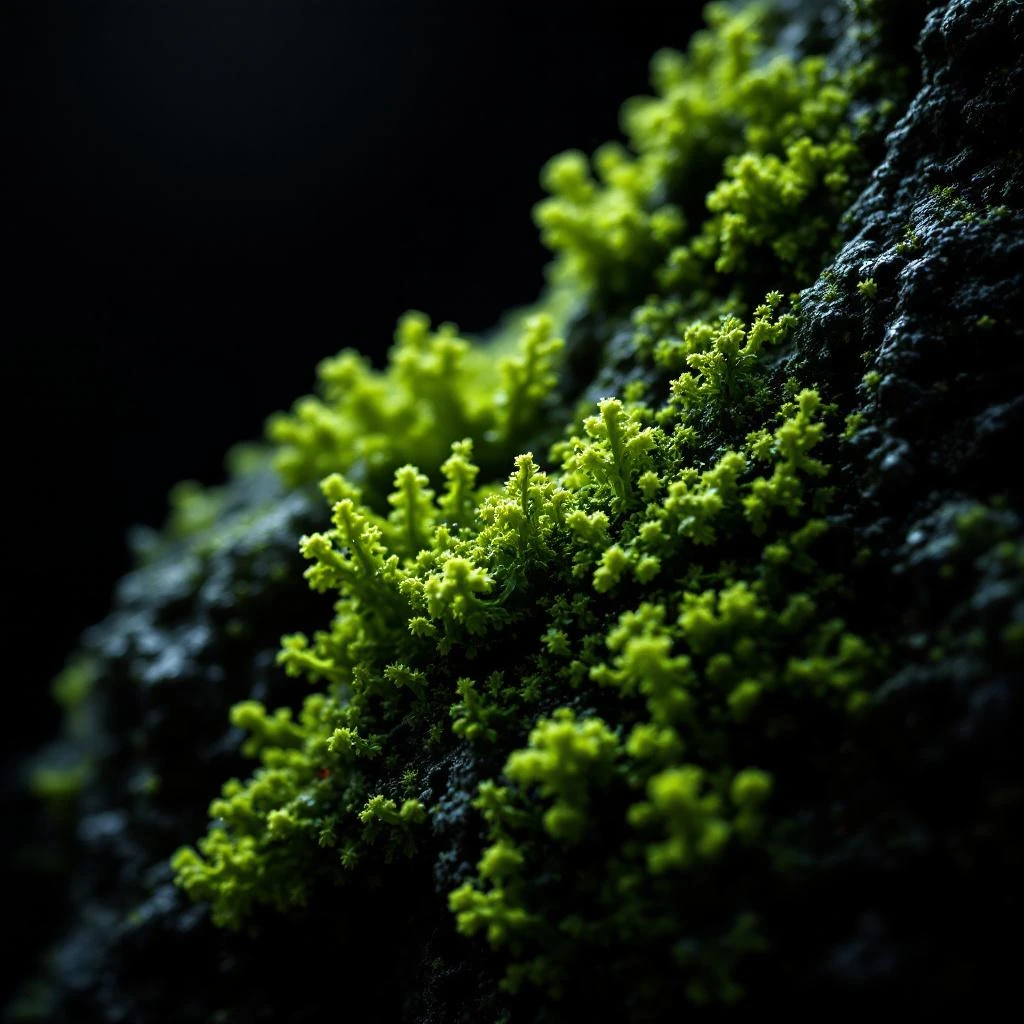
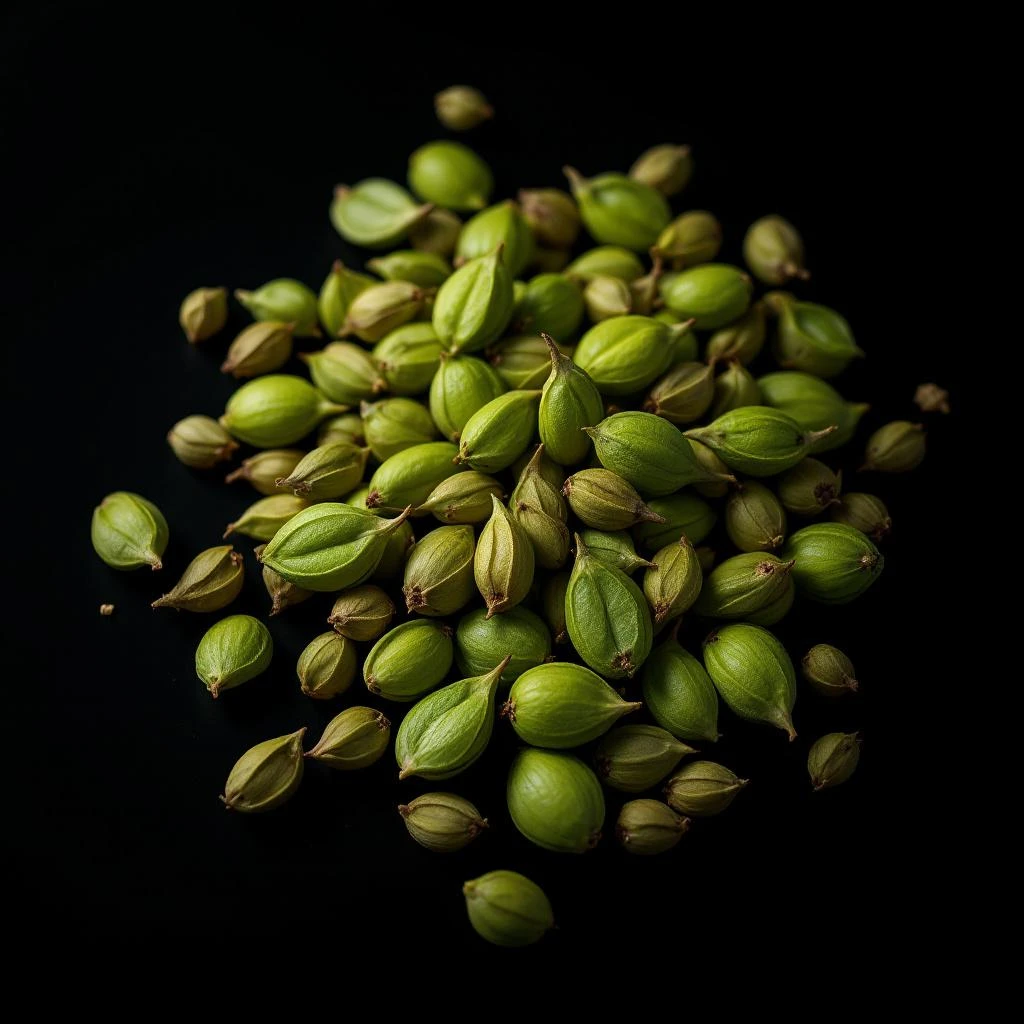






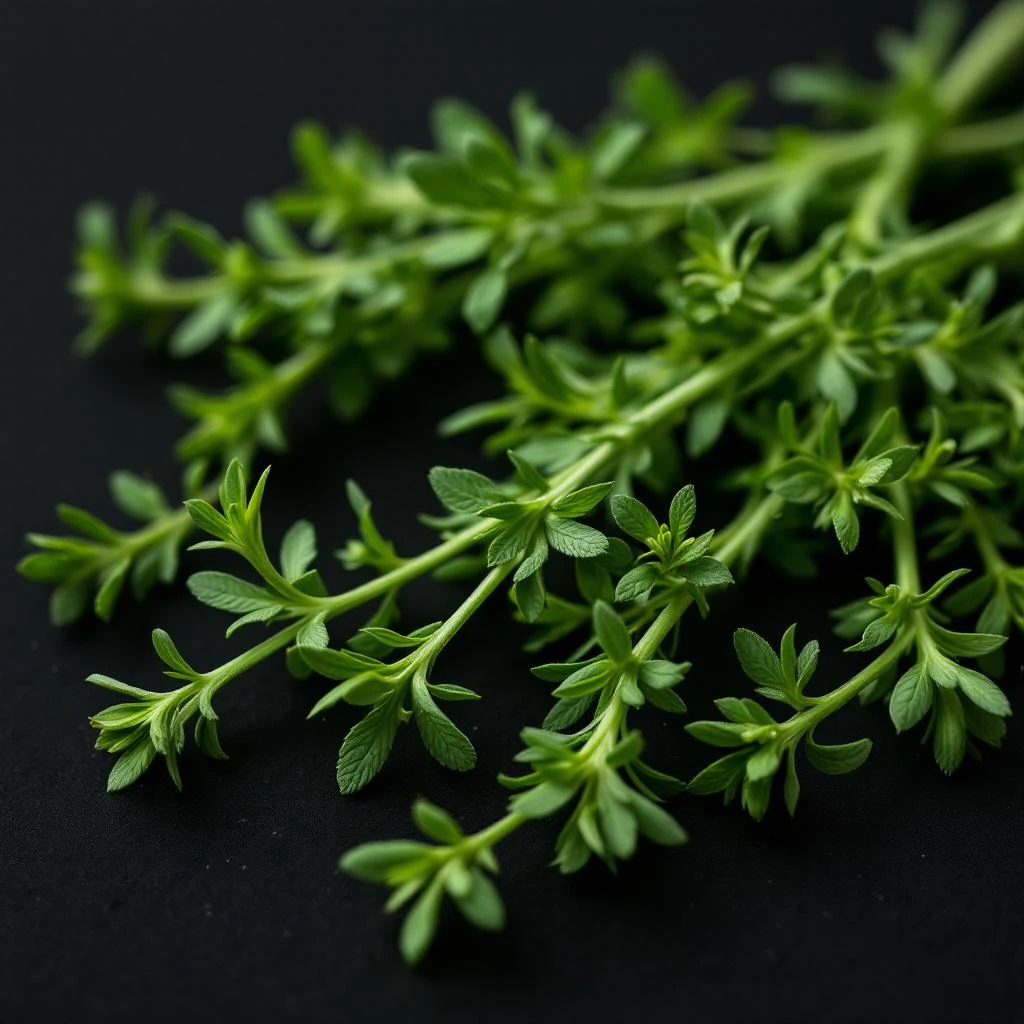
Origin
Ireland
Bladderwrack has deep roots in coastal European traditions, used for centuries in folk medicine and as a food source along the Atlantic shores of Ireland, Scotland, and Brittany. In perfumery, its story begins more recently, emerging alongside the marine fragrance trend that gained momentum in the late 1980s and 1990s.
Before this, seawater and marine accords relied heavily on synthetic aromatics like calone. Perfumery began exploring natural marine ingredients like bladderwrack to create more nuanced oceanic effects.
Coastal communities have long understood the sea as more than a setting, and bladderwrack represents that living connection between ocean and fragrance. Today it remains a relatively rare natural marine ingredient, valued by perfumers seeking authenticity in aquatic compositions.
Wears it best
Fragrances featuring Bladderwrack
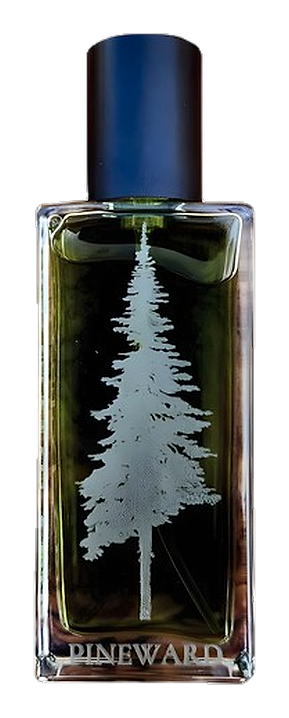
Brands
Brands known for Bladderwrack
Good to know
Questions, answered
The essentials on Bladderwrack in perfumery: how it smells, where it comes from, and how it behaves on skin.
What does bladderwrack smell like?
Bladderwrack has a marine, mineral scent with ozonic and slightly saline qualities that create a distinctive oceanic character in fragrances.
Is bladderwrack a natural ingredient?
Yes, bladderwrack is a natural brown seaweed (Fucus vesiculosus) harvested from Atlantic coastal waters, classified as a botanical marine extract.
How is bladderwrack extracted for perfumery?
Modern methods include supercritical CO2 extraction and solvent extraction, which preserve the seaweed's marine aromatic compounds more effectively than traditional approaches.
What marine fragrance notes pair well with bladderwrack?
Bladderwrack pairs naturally with ozonic compounds, calone, sea salt, marine moss, and fresh green notes to create layered aquatic effects.
Is bladderwrack harvesting sustainable?
Responsible harvesting leaves enough thallus for regrowth, and bladderwrack regenerates quickly in intertidal zones, making it a renewable marine resource.
Where does commercial bladderwrack for perfumery come from?
The North Atlantic coast supplies most commercial bladderwrack, with Ireland, Scotland, and Brittany as primary regions for sustainable harvest.
Does bladderwrack have fixative properties?
Bladderwrack functions primarily as a heart to top note rather than a fixative, contributing marine character that typically lasts 2-4 hours in a fragrance composition.
Is bladderwrack used in traditional perfumery?
Bladderwrack emerged in perfumery during the marine trend of the late 1980s, making it a relatively modern natural ingredient compared to classic floral and woody materials.