Arborvitae
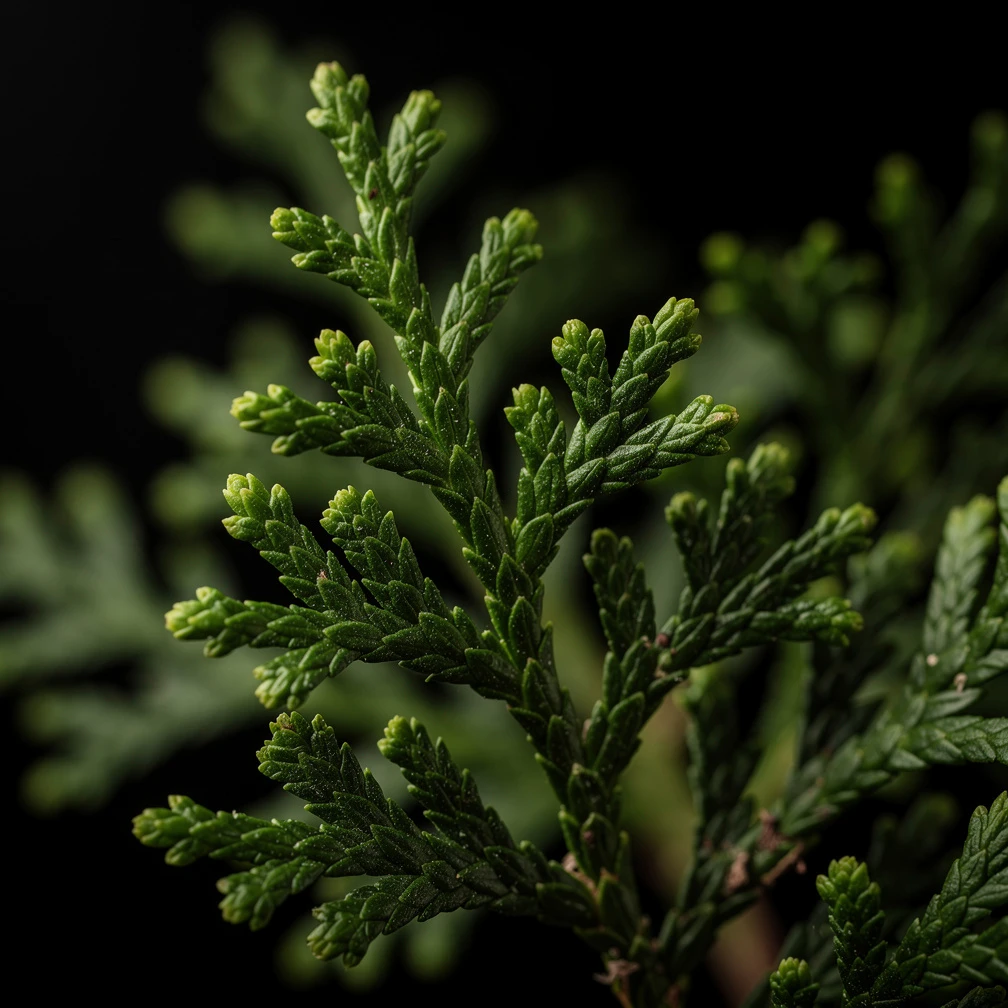
Arborvitae, the "tree of life," yields an aromatic essential oil from its needles and twigs. Its fresh, balsamic scent brings green, woody depth to fine fragrances.
Character
How it smells
The tree of life, bottled.
Jacques Cartier named it arborvitae in 1536 after Indigenous peoples showed his scurvy-stricken crew how the leaves cured their illness.





Origin
Canada
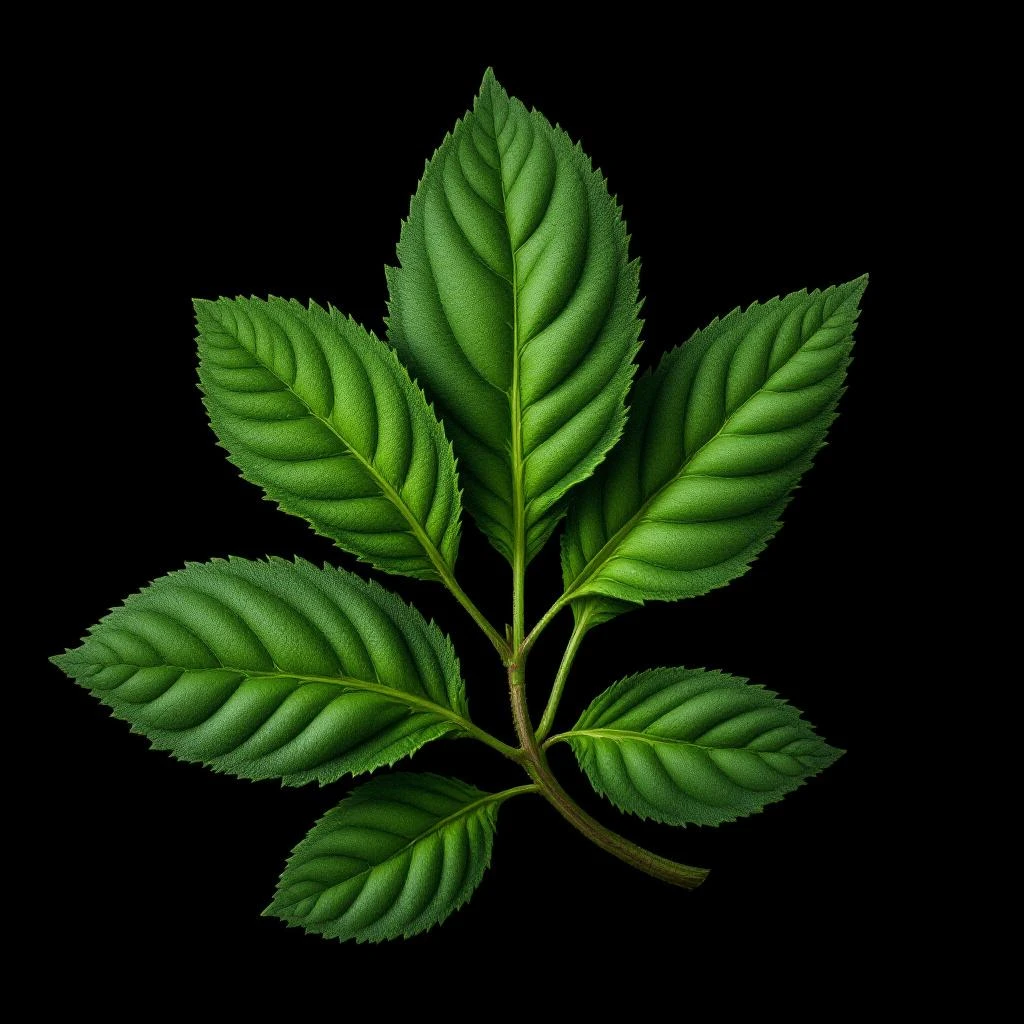
French explorer Jacques Cartier first documented Thuja occidentalis in 1536 along the St. Lawrence River. His crew suffered severely from scurvy until Indigenous guides fluent in herbal medicine showed them how to prepare a tea from the cedar leaves.
Cartier dubbed it "arborvitae," Latin for tree of life, recognizing its healing power. Before European contact, First Nations peoples already used every part of the cedar medicinally, ceremonially, and practically. They used the wood for buildings, the bark for roofing, and the branches for sweat lodges.
The tree grows exclusively in the cool, humid forests of northeastern North America, where Indigenous harvesting practices shaped the species' modern distribution. Early American and Canadian settlers adopted these uses across their own herbal medicine traditions.
Wears it best
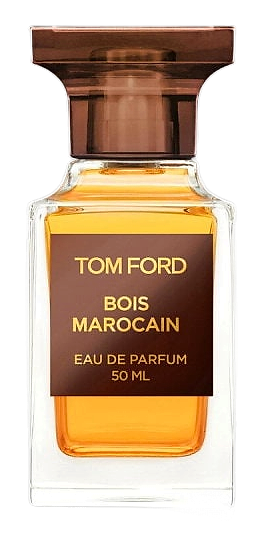
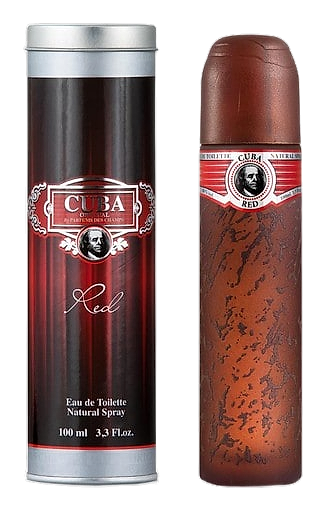
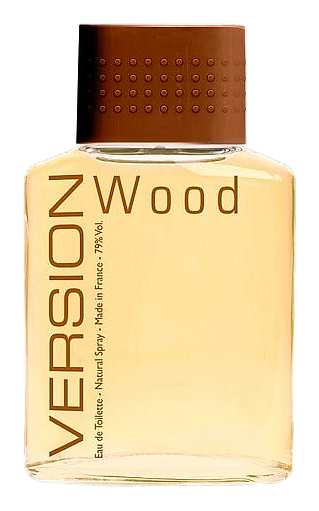
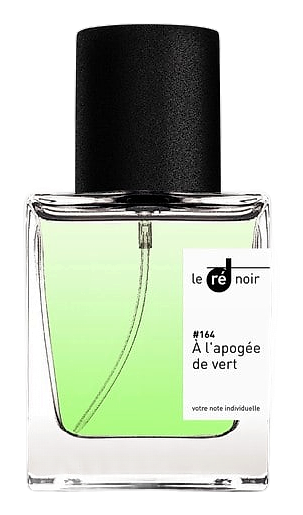
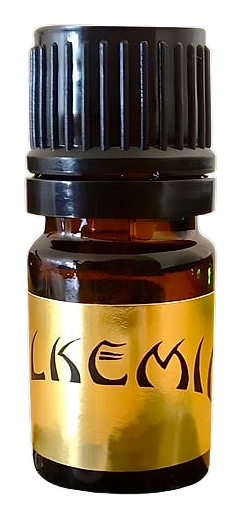
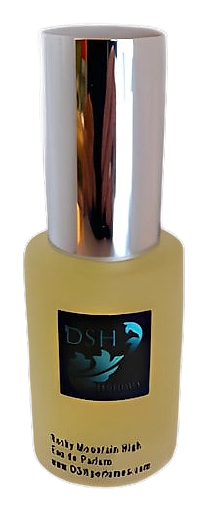
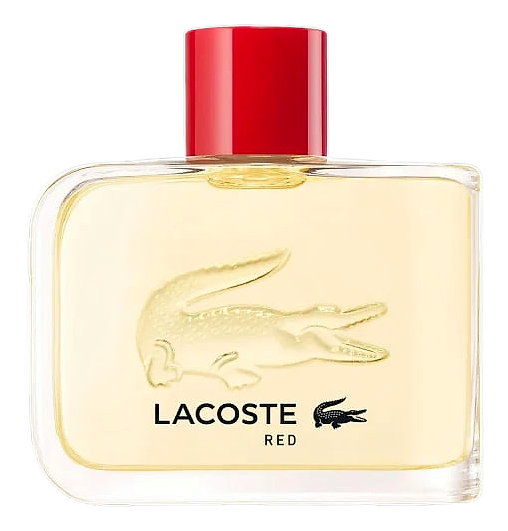
Fragrances featuring Arborvitae
Brands
Brands known for Arborvitae
Good to know
Questions, answered
The essentials on Arborvitae in perfumery: how it smells, where it comes from, and how it behaves on skin.
What does arborvitae essential oil smell like?
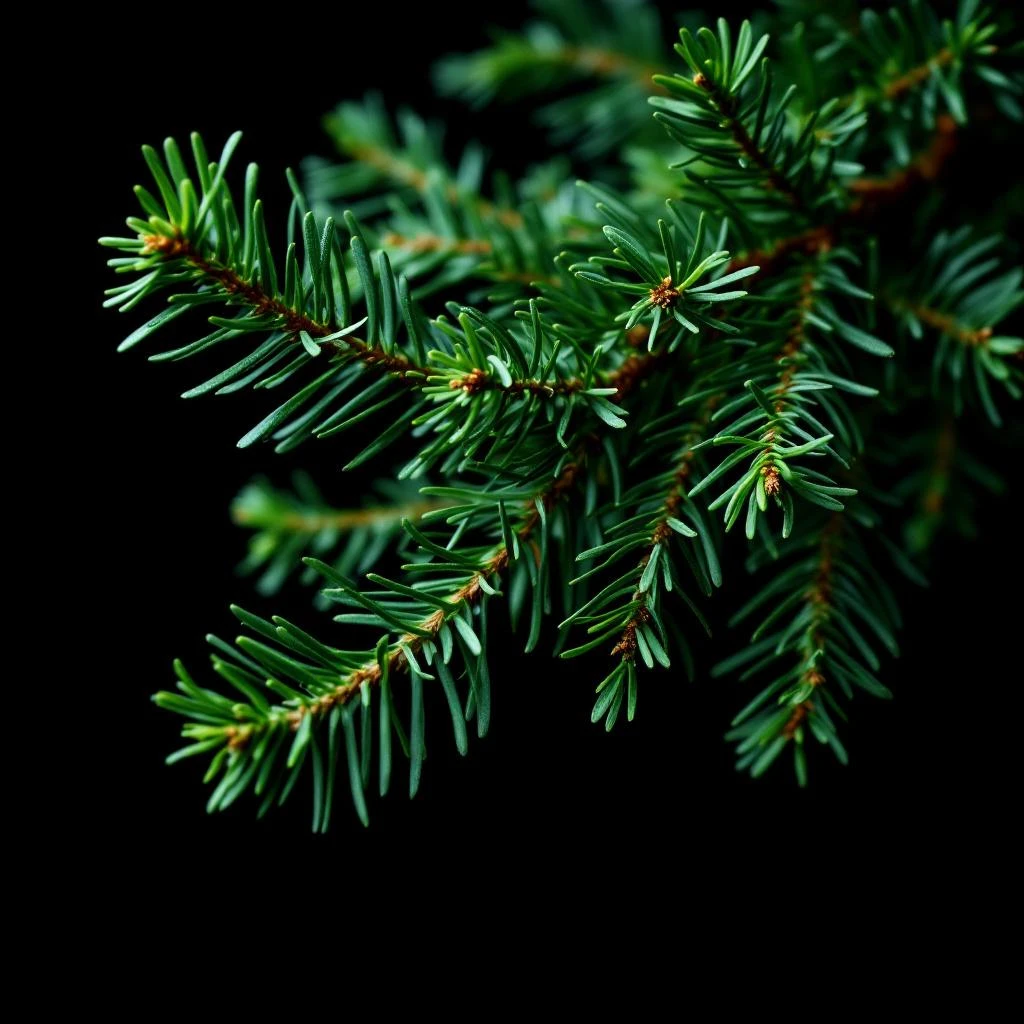
Arborvitae has a fresh, balsamic scent with green, herbaceous undertones. It carries a clean, woody character reminiscent of pine and cedar. Blended with other ingredients, it adds natural, forest-like depth.
Is arborvitae oil safe to use in perfume?
Qualified perfumers use arborvitae oil within established IFRA guidelines. Professional dilution and formulation controls ensure safe use in consumer products.
Where does arborvitae grow naturally?
Thuja occidentalis thrives in the boreal forests of southeastern Canada and the northeastern United States, particularly in Ontario, Quebec, and New England states. It prefers cool, humid climates and grows along waterways and in damp woodlands.
Why is it called the tree of life?
Jacques Cartier introduced the name in 1536 after Indigenous herbalists used the leaves to cure his scurvy-afflicted crew. The Latin "arborvitae" directly translates to tree of life, honoring its restorative properties.
How long has arborvitae been used in fragrance?
People have used arborvitae in perfumery for over a century. Its essential oil became more common in fragrance production during the early 1900s as steam distillation methods matured.
What compounds give arborvitae its scent?
Thujone makes up roughly 40 to 60 percent of the oil. Supporting compounds include alpha-pinene, fenchone, bornyl acetate, camphor, and various sesquiterpenes that round out its aromatic profile.
Can arborvitae grow anywhere?
Arborvitae requires cold winters and consistent moisture to thrive. This species grows naturally in USDA hardiness zones 3 through 7, primarily across northeastern North America.
What sustainable practices apply to arborvitae harvesting?
Responsible producers harvest selectively from managed stands, leaving enough foliage for the tree to regenerate. Wildcrafted batches must comply with regional forest stewardship guidelines.