Andiroba
Pressed from the seeds of the Amazon's towering Carapa tree, andiroba oil carries a deep, woody warmth that perfumers prize in base compositions and aromatic blends.
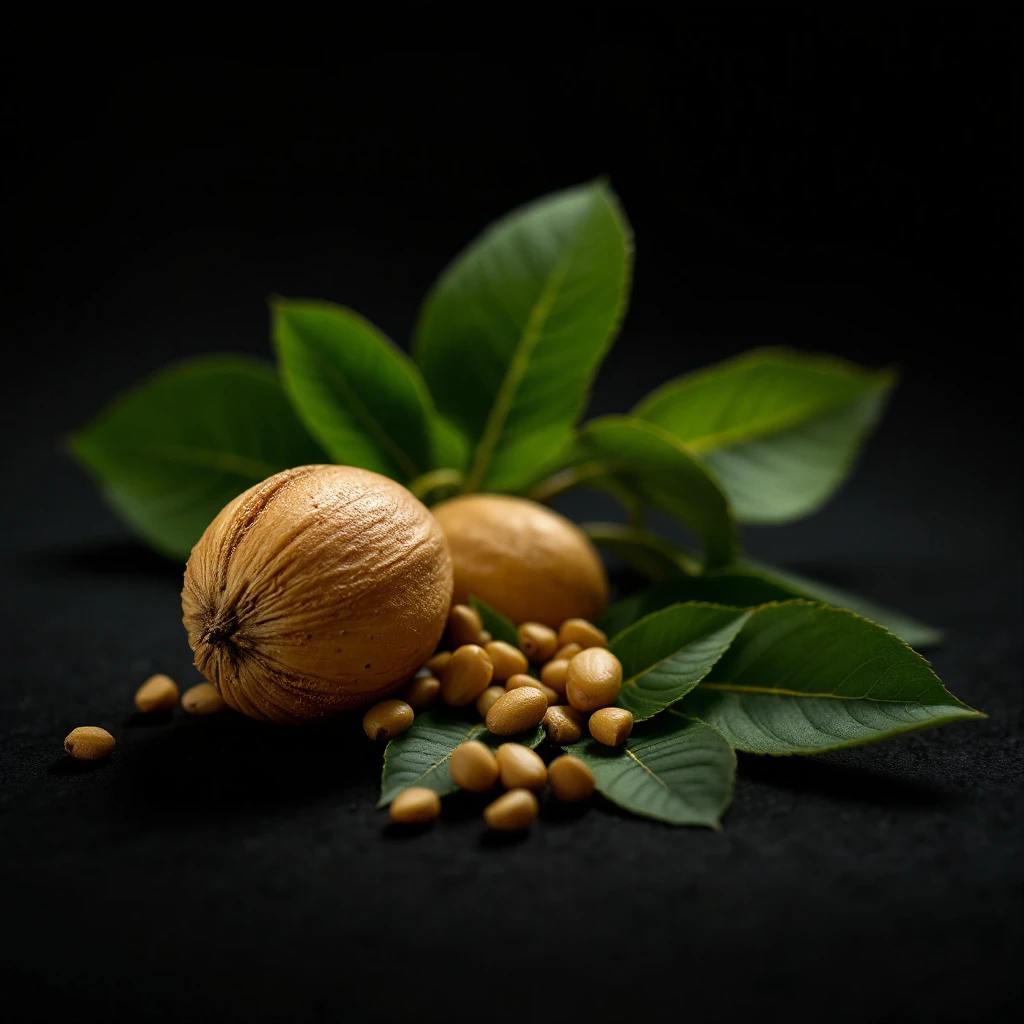
Character
How it smells
Amazonian depth with a bitter-woody soul
Indigenous Amazonian communities have used andiroba oil for centuries as an insect repellent and skin conditioner, a tradition that continues in modern perfumery.
Pairs beautifully with

Origin
Brazil
The Carapa tree holds deep significance for Amazonian communities across Brazil, the Guianas, and neighboring regions. Indigenous peoples of the Amazon basin discovered andiroba's properties centuries ago, incorporating the oil into traditional medicine, skincare rituals, and daily life practices. Early European naturalists documented the tree's use among local populations during expeditions into the interior, noting how communities harvested the seeds and processed them using techniques passed down through generations.
The tree grows throughout the floodplain forests and terra firme areas of the Amazon, reaching impressive heights of 30 to 40 meters. Traditional knowledge held that andiroba oil protected against insects and soothed skin irritations, uses that aligned with the region's abundant蚊子 and humid conditions. During the 20th century, perfumers began exploring Amazonian materials as synthetic alternatives expanded, discovering andiroba's potential as a base note with woody, slightly bitter characteristics.
Today, sustainable harvesting practices support both traditional communities and the fragrance industry's interest in responsibly sourced natural ingredients.
Wears it best
Fragrances featuring Andiroba
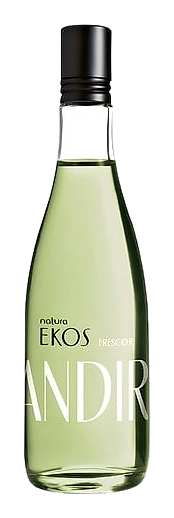
Brands
Brands known for Andiroba
Good to know
Questions, answered
The essentials on Andiroba in perfumery: how it smells, where it comes from, and how it behaves on skin.
What does andiroba smell like?
Andiroba oil has a deep, woody aroma with bitter undertones and earthy complexity. Perfumers often describe it as a warm, persistent base note that adds richness without sweetness.
Where does andiroba originate?
Andiroba comes from the Amazon basin, with Brazil as the primary source. The Carapa guianensis tree grows throughout the region's floodplain and terra firme forests.
How do perfumers extract andiroba oil?
Manufacturers cold press the seeds of the Carapa tree to release the oil. This method preserves the aromatic compounds without applying heat that could alter the scent profile.
Is andiroba oil sustainable?
Andiroba supports sustainable sourcing because harvesters collect fallen seed pods from wild trees. This practice allows the forest ecosystem to remain intact while providing an income source for local communities.
What type of fragrance compositions use andiroba?
Perfumers use andiroba primarily as a base note in woody, aromatic, and chypre compositions. Its persistent character makes it valuable for the dry-down phase of fragrances.
Can synthetic alternatives replace andiroba?
No fully satisfactory synthetic substitute exists for andiroba. The oil's complex mixture of aromatic compounds produces a nuanced effect that laboratory reproductions struggle to match.
How does andiroba compare to other Amazonian fragrance materials?
Andiroba differs from rosewood and copaiba by offering bitter-woody tones rather than sweet or balsamic characteristics. It complements these materials in blends while providing distinct anchoring properties.
What traditional uses inform modern perfumery?
Indigenous Amazonian communities used andiroba oil for centuries as a skin conditioner and insect repellent. These traditional applications influenced early perfumers' interest in the material's aromatic and functional properties.