American Lavender
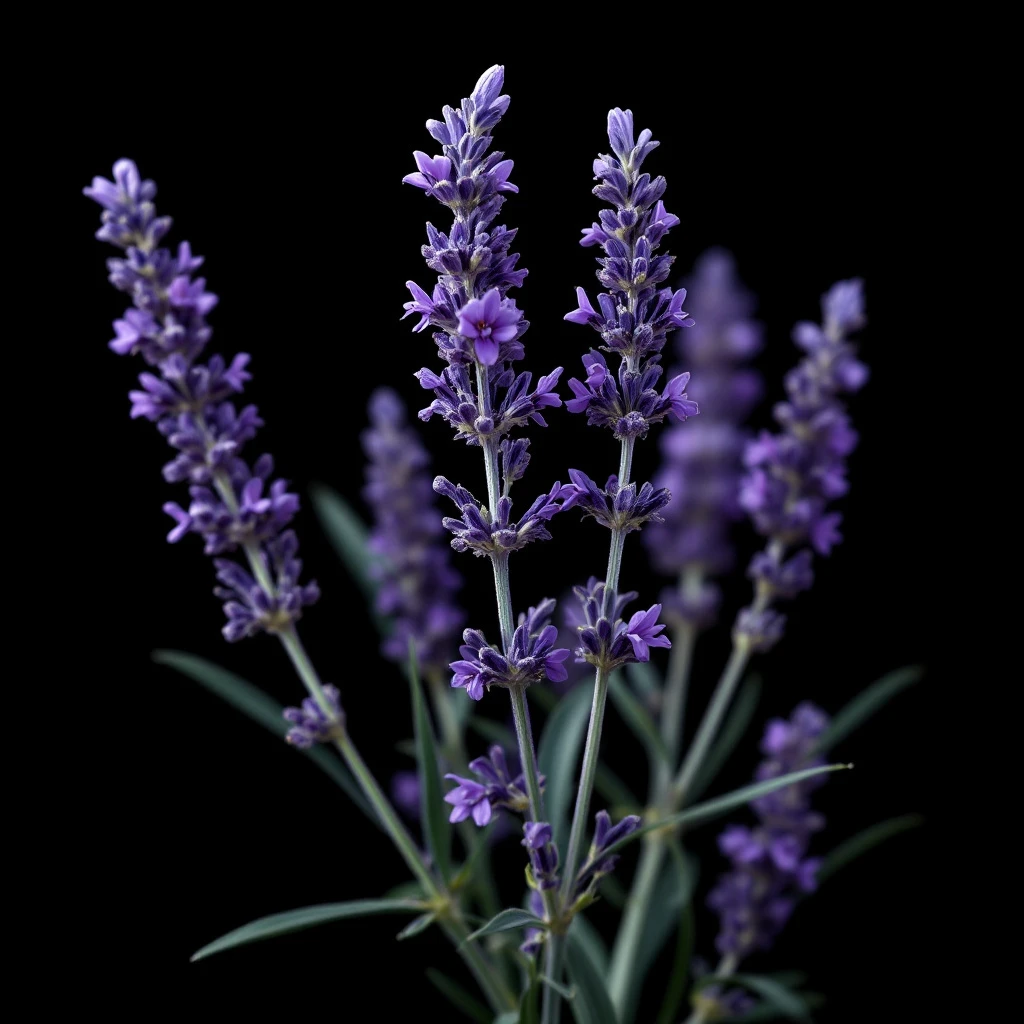
American Lavender is cultivated in the Pacific Northwest's Mediterranean-like microclimates, producing a fresh, camphoraceous floral that anchors countless classic and modern fragrances.
Character
How it smells
Fresh, herbal, quintessentially clean.
The name derives from the Latin 'lavare,' meaning 'to wash'—Romans used it to scent their baths.
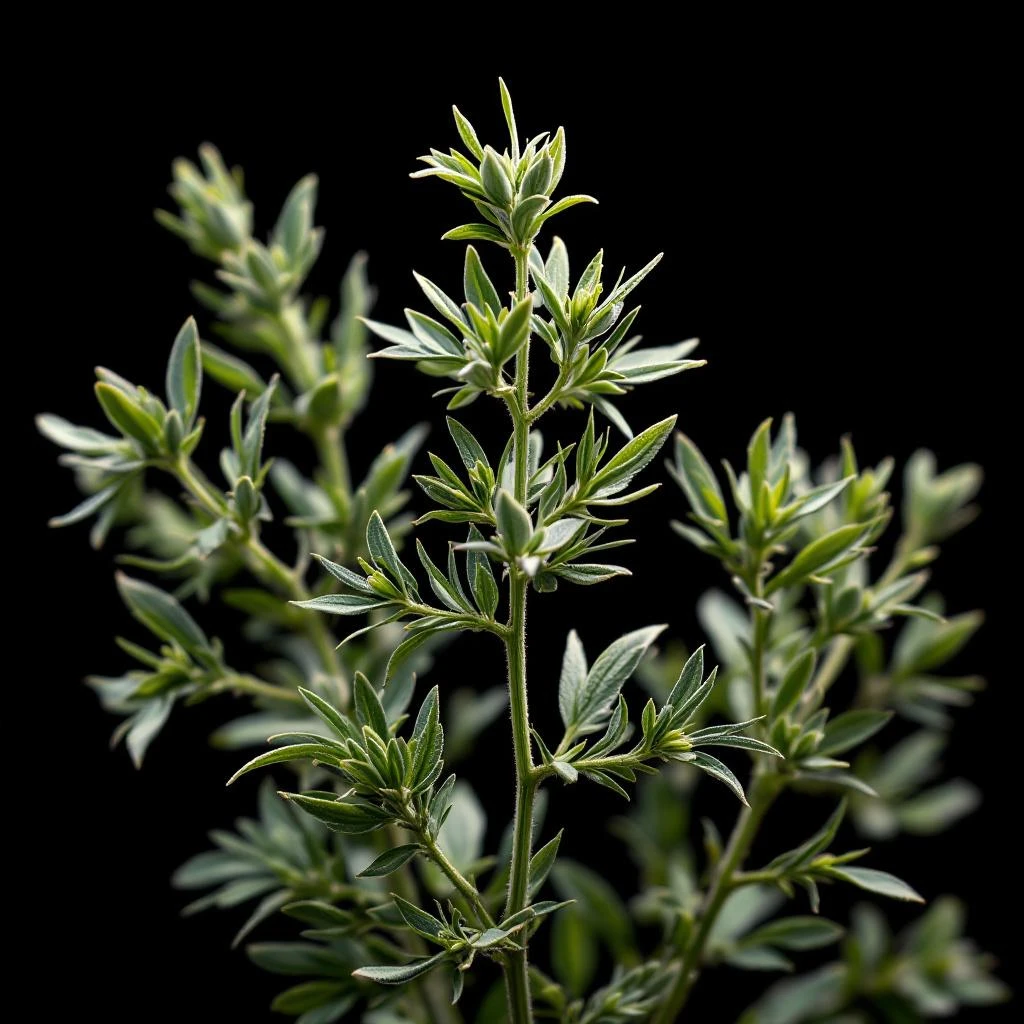
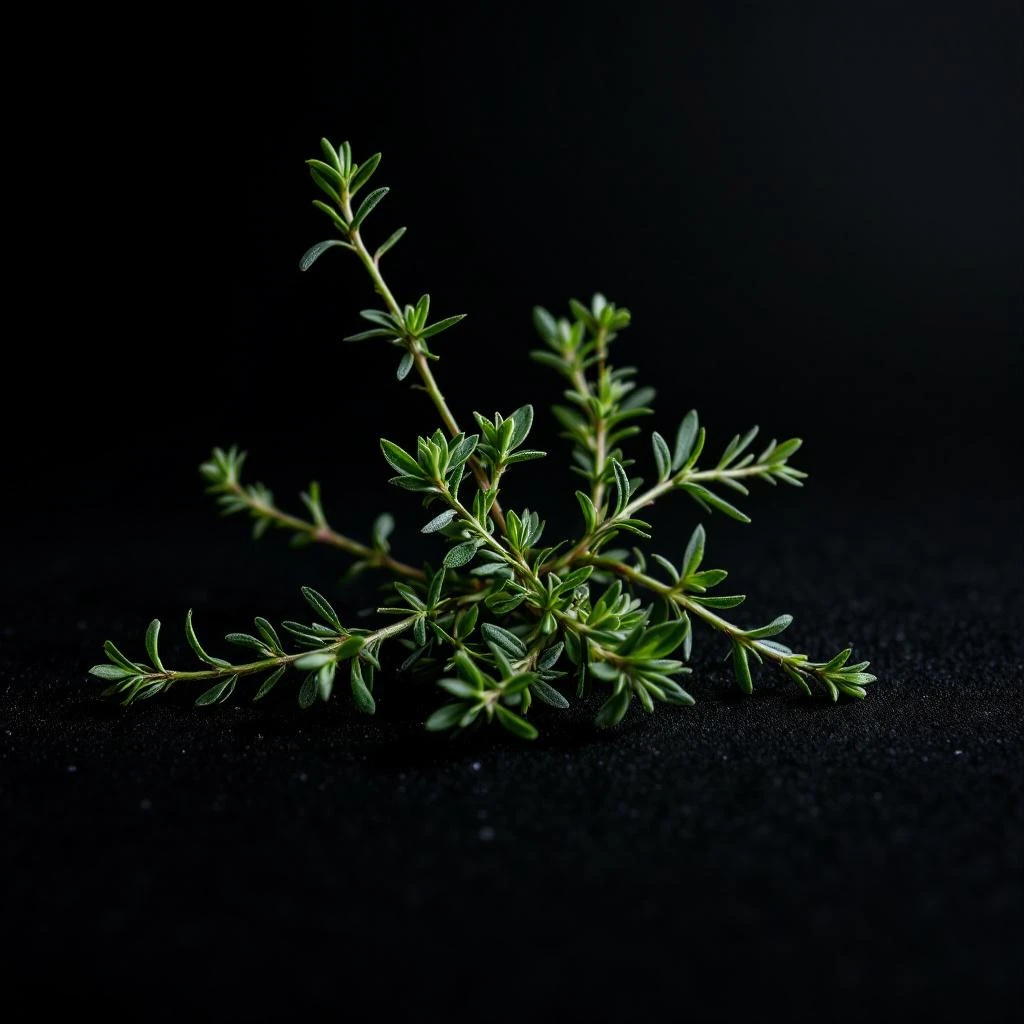
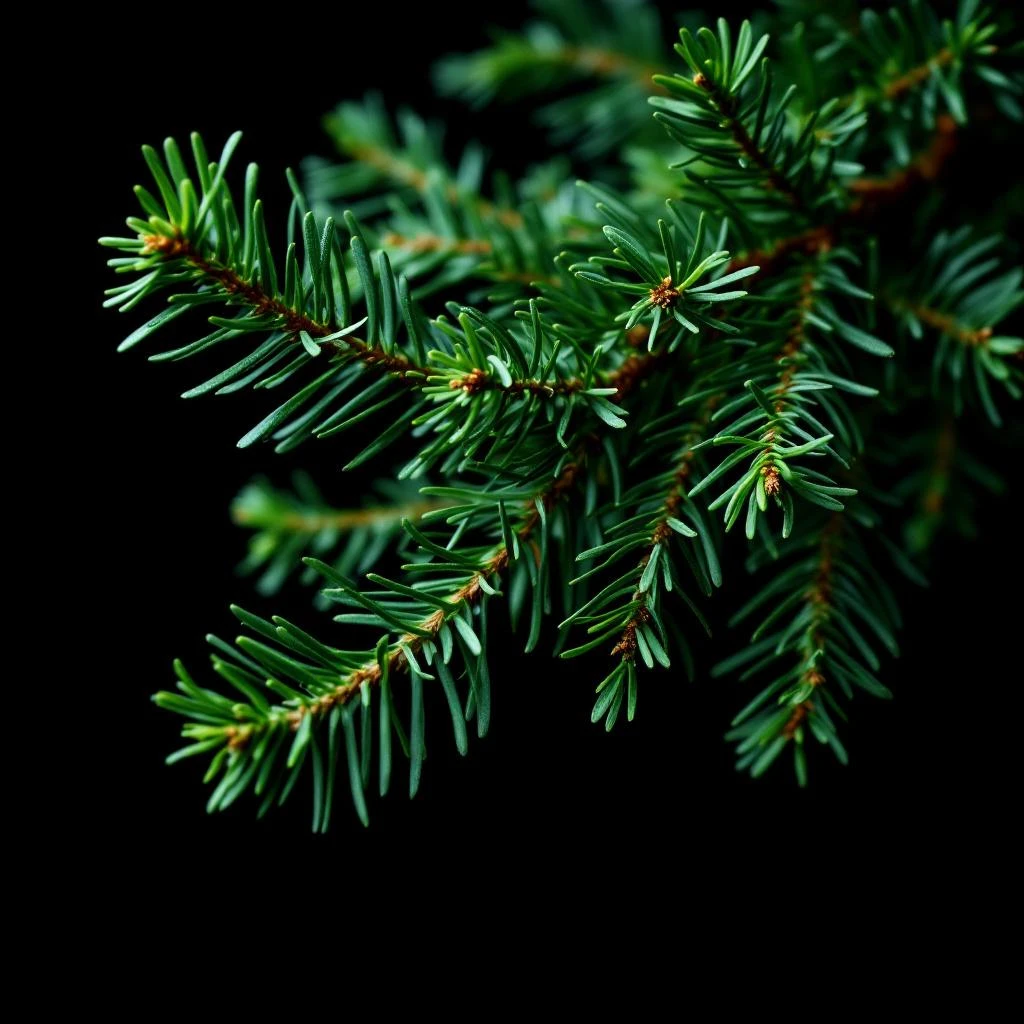
Pairs beautifully with
Origin
United States
Lavender's origins trace to the Indian highlands, spreading through ancient Mediterranean trade routes. Egyptian embalmers used it in ceremonial preparations; Greek physicians documented its medicinal properties. The Romans carried it throughout their empire, valuing it for bathing and perfumery.
By the 18th century, commercial lavender cultivation had established itself in France's Provence region, where the Grasse perfume industry emerged around these aromatic fields. American pharmacies were early adopters of fragrant essential oils, stocking lavender among their first cosmetic offerings. Today, the Pacific Northwest has built a reputation for premium lavender production, with Sequim, Washington hosting annual festivals celebrating the crop.
Mitcham and Widger remain the most cultivated varieties, descended from plants brought west by emigrants.
Wears it best
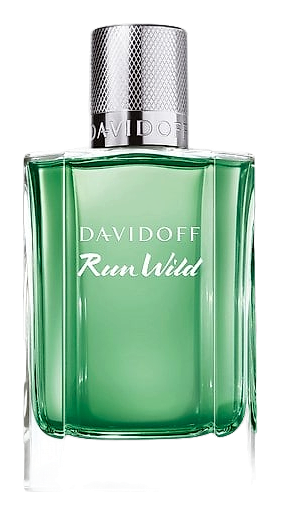
Fragrances featuring American Lavender
Brands
Brands known for American Lavender
Good to know
Questions, answered
The essentials on American Lavender in perfumery: how it smells, where it comes from, and how it behaves on skin.
What does American Lavender smell like?
American Lavender opens with a bright, clean floral sweetness followed by cool, camphoraceous herbaceousness. It reads as fresh and soapy without being medicinal, making it a versatile bridging note in fragrance composition.
Where is American Lavender primarily grown?
Washington State's Olympic Peninsula produces the majority of American Lavender, with Sequim hosting over 30 lavender farms. Montana, Oregon, and California also contribute significant volumes.
How is lavender oil extracted for perfumery?
Steam distillation is the standard method. Fresh flower spikes are placed in a sealed vessel while steam passes through, rupturing oil glands and carrying the volatile compounds into a condenser for collection.
When is American Lavender harvested?
Harvest occurs in July through August, timed when 50 to 75 percent of buds on a spike have opened. Morning cutting after dew evaporation preserves the most volatile aromatic molecules.
Why is lavender important in perfumery?
Lavender functions as a natural bridge between top and heart notes, providing immediate freshness while adding herbal complexity. Its linalool and linalyl acetate content make it adaptable across masculine, feminine, and unisex formulations.
Is American Lavender the same as French Lavender?
No. French Lavender (L. stoechas) and English Lavender (L. angustifolia) are different species. American Lavender typically refers to L. angustifolia varieties cultivated in the US, producing a sweeter, less camphorated oil than some European counterparts.
What fragrance families use American Lavender?
Fougère bases, aromatics, chypres, and fresh colognes rely heavily on lavender. It appears across masculine, feminine, and gender-neutral fragrances as an aromatic anchor note.
Can lavender be synthetically replicated?
Synthetic linalool and linalyl acetate can approximate lavender's freshness, but natural extracts retain complex minor constituents—including borneol and 1,8-cineole—that create the herbaceous depth formulators seek.