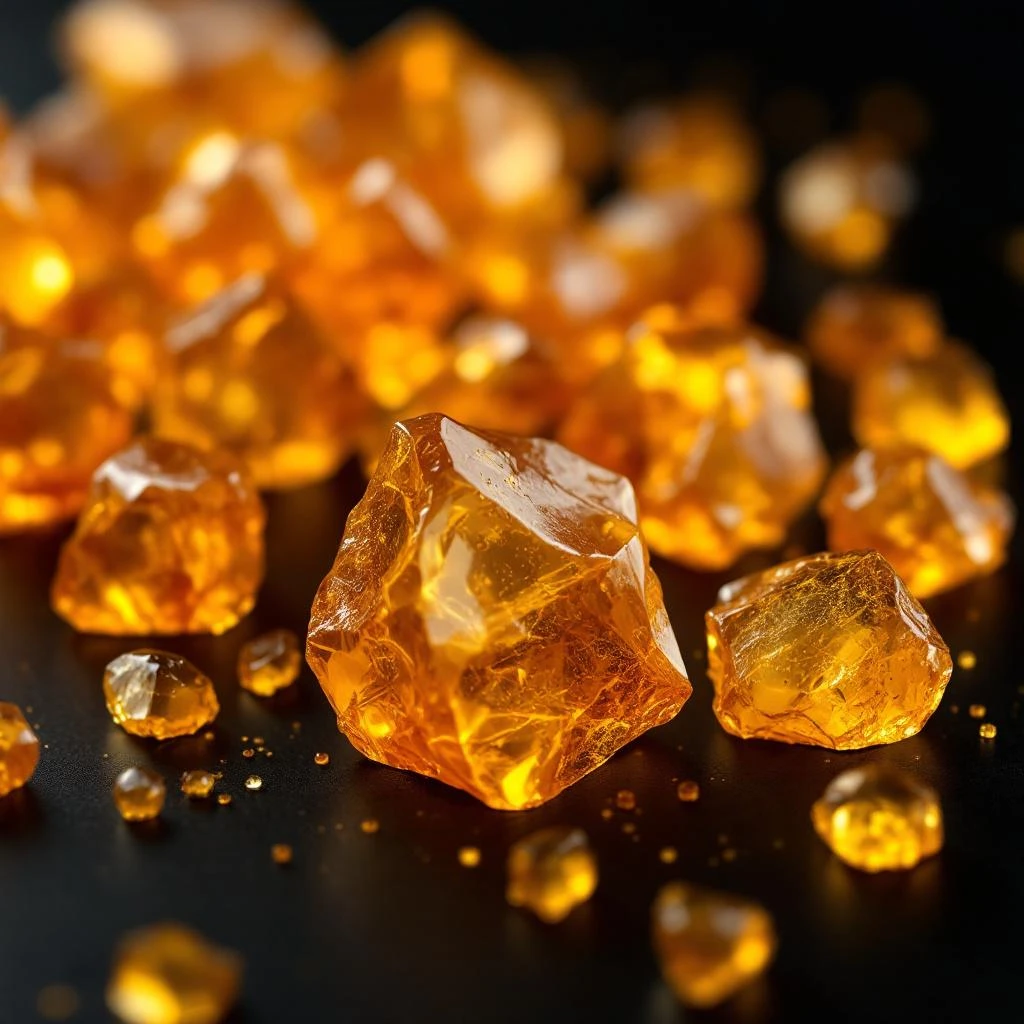
Amberketal
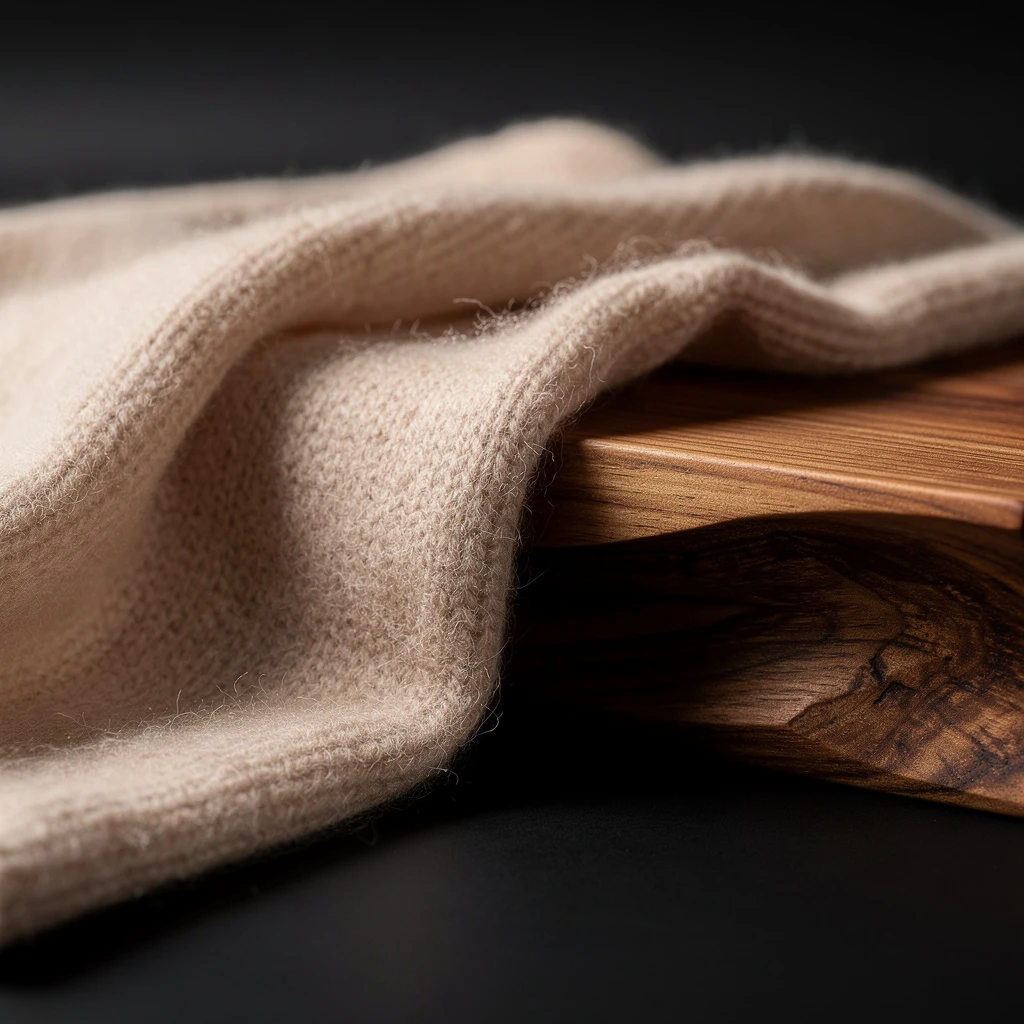
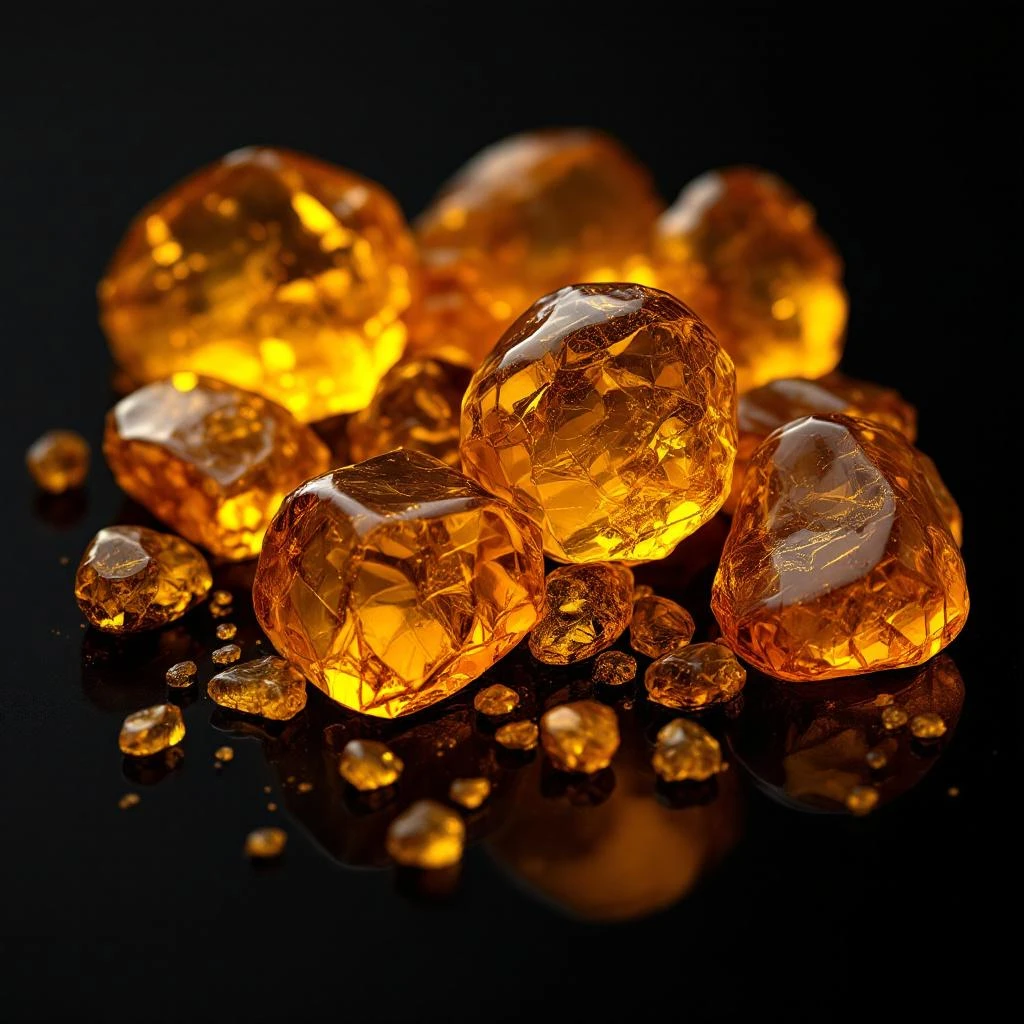
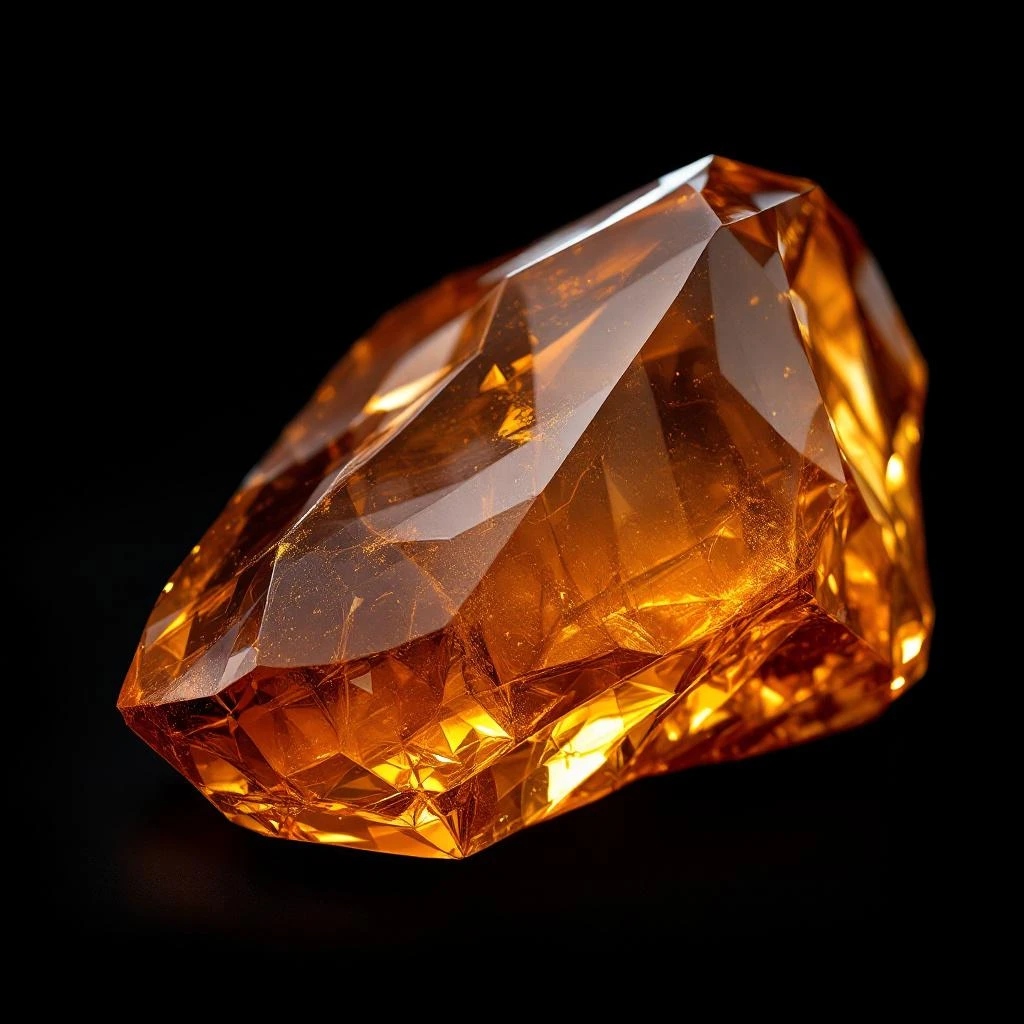
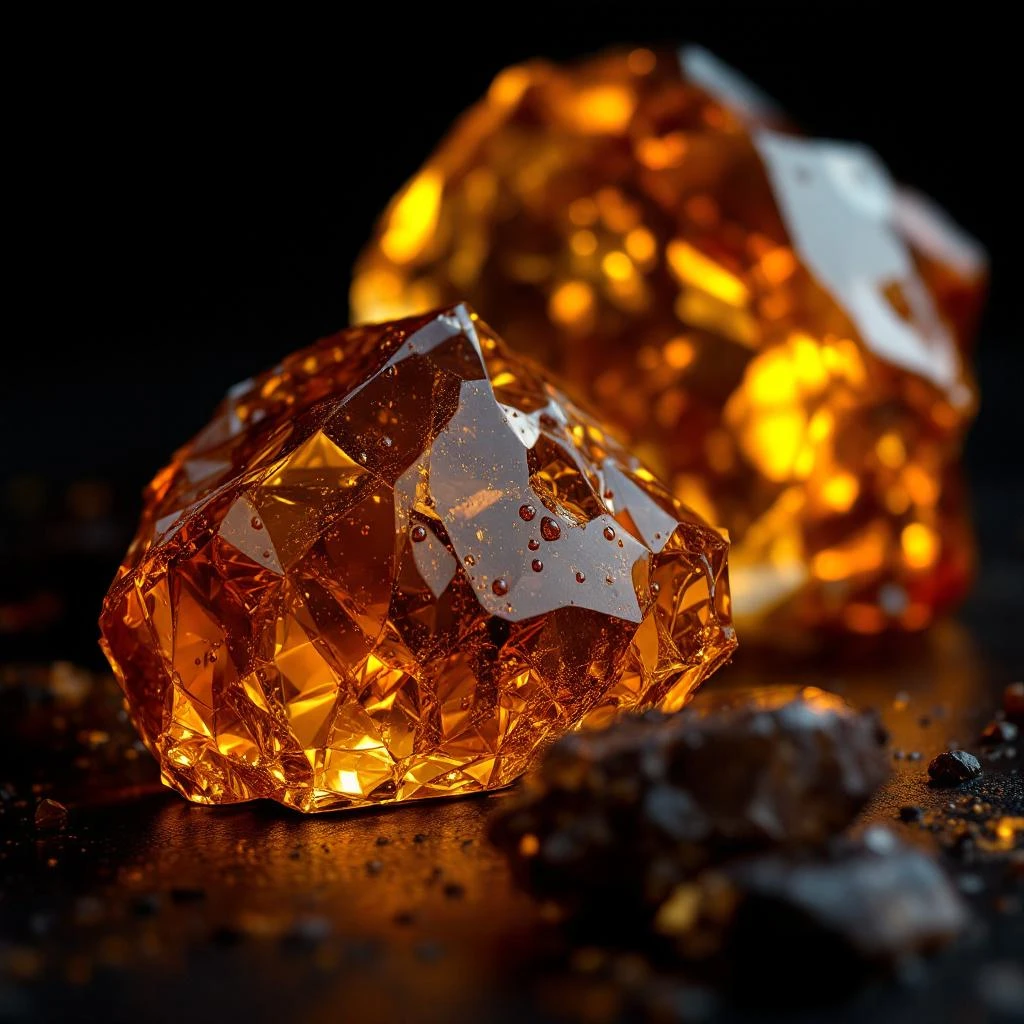
Amberketal is a synthetic aroma molecule engineered to evoke the warm, dry character of cedarwood sun-baked for hours. It delivers a rich amber-wood effect in a single ingredient.
Character
How it smells
Sun-warmed cedar, captured in a molecule.
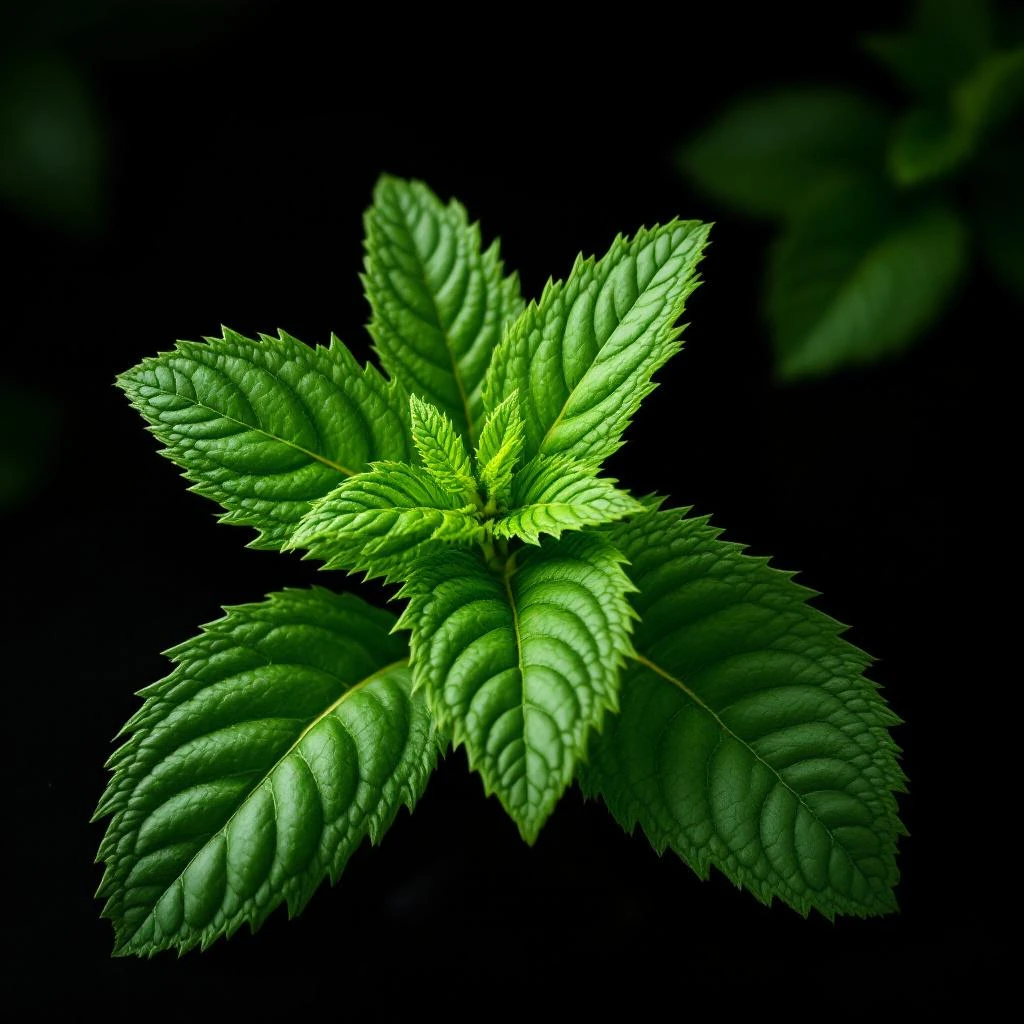
Amberketal derives from manool, a diterpene alcohol found in clary sage, making its woody warmth entirely plant-derived.



Origin
France
Before synthetic chemistry, perfumers chasing amber notes relied on natural ambergris, the intestinal secretion of sperm whales, or heavy oriental blends of resin and spice. The late 19th and early 20th centuries saw fragrance chemistry begin synthesizing key aromatic molecules, opening a new chapter. Amberketal represents one outcome of that shift.
The molecule emerged as perfumers sought the warmth of sun-dried wood without depending on animal-derived materials or complex accords. Today it serves both ecological and economic purposes, delivering amber character at scale without the ethical and supply concerns tied to natural ambergris.
Wears it best
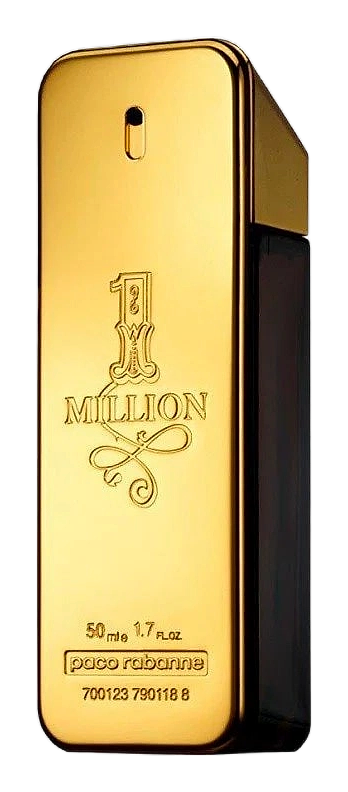
Fragrances featuring Amberketal
Brands
Brands known for Amberketal
Good to know
Questions, answered
The essentials on Amberketal in perfumery: how it smells, where it comes from, and how it behaves on skin.
What does Amberketal smell like?
Amberketal has a dry, woody, amber profile that resembles the interior of a cedarwood box left in direct sunlight. It combines warm resinous tones with a clean, sun-baked wood character.
Is Amberketal natural or synthetic?
Amberketal is fully synthetic. Chemists produce it by synthesizing a ketal from manool, which originates from sclareol extracted from clary sage.
What is the CAS number for Amberketal?
Amberketal carries CAS number 57345-19-4. Suppliers also market it under the trade name Ambermor Ketal.
What raw material is used to produce Amberketal?
Producers extract sclareol from clary sage, then synthesize it through ketalization. The manool content in clary sage serves as the botanical source material.
Does Amberketal replace natural ambergris in perfumery?
Amberketal provides an amber-woody character similar to ambergris but through a different chemical pathway. It offers a plant-based alternative for capturing that warm, dry effect.
When did amber molecules first appear in modern perfumery?
Amber made its official commercial debut in the late 19th and early 20th centuries, coinciding with the rise of synthetic fragrance chemistry.
How does the biotech production of Amberketal benefit the fragrance industry?
Biotech synthesis delivers consistent quality and supply stability. It removes dependence on rare natural materials and enables scalable production of amber-wood molecules.
Is Amberketal considered an eco-friendly perfume ingredient?
Amberketal avoids the animal-derived and overharvesting concerns associated with natural ambergris. Its production from cultivated clary sage supports more sustainable supply chains.