After-rain
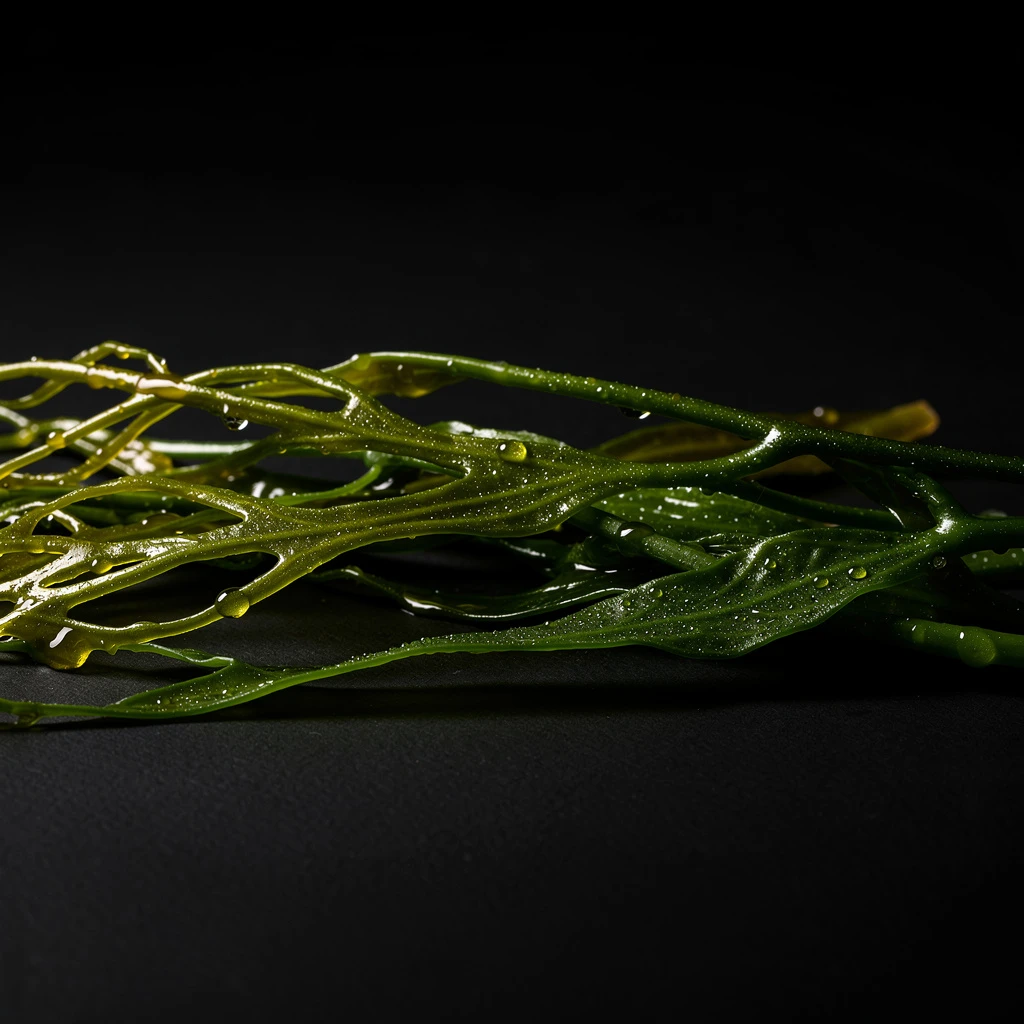
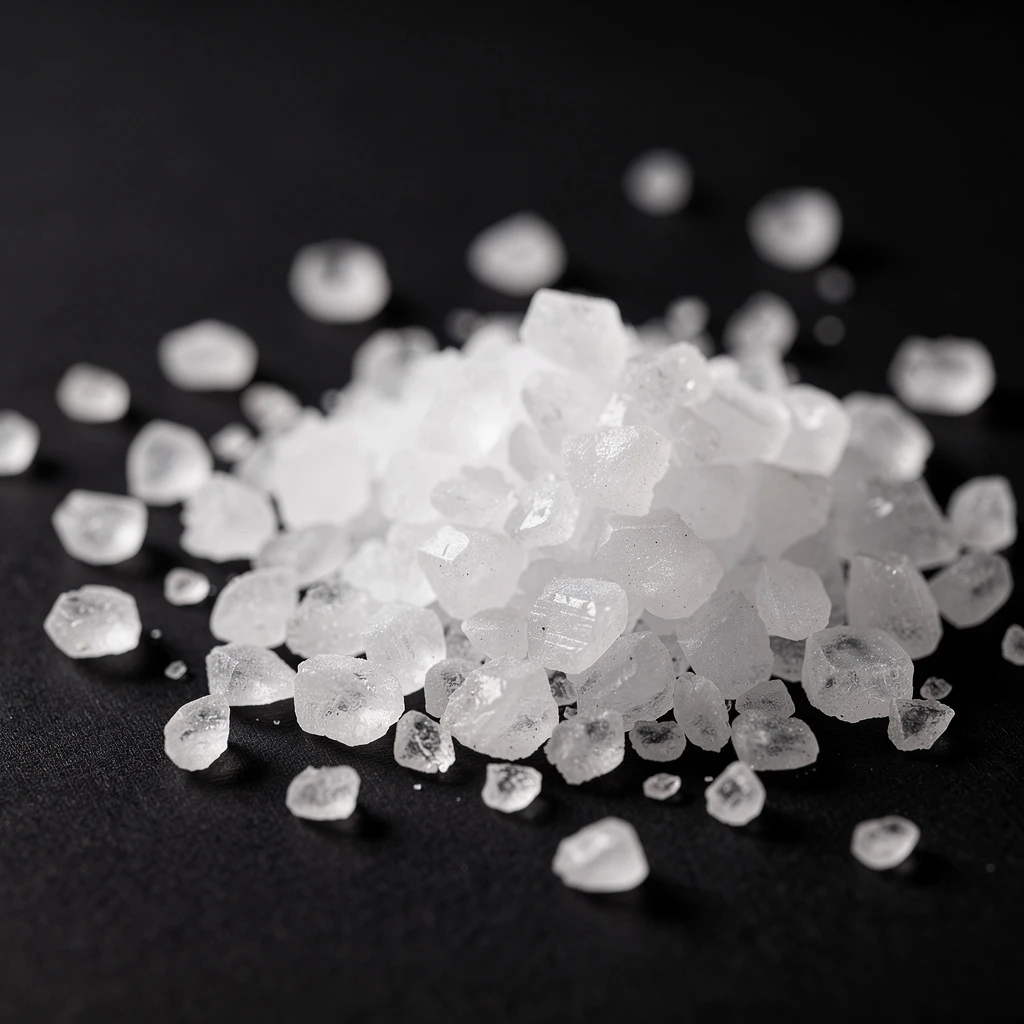
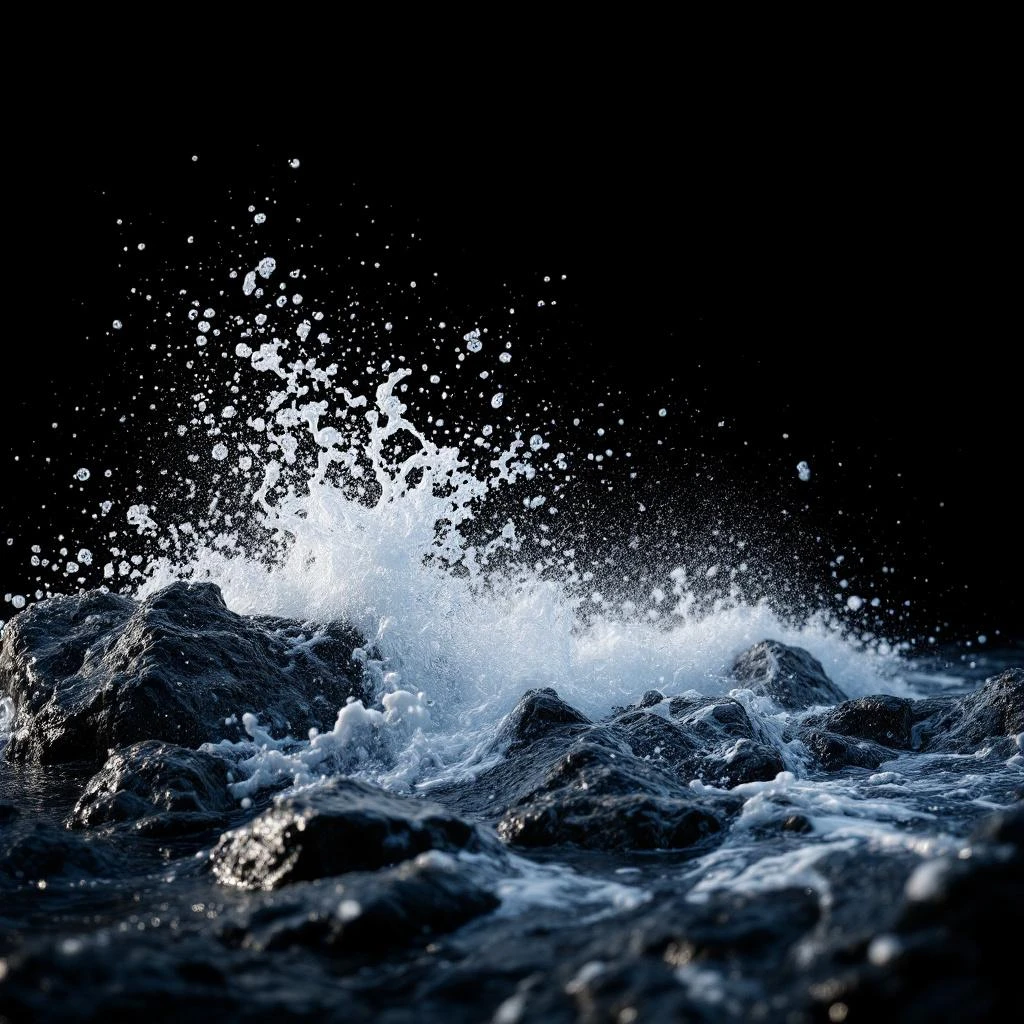
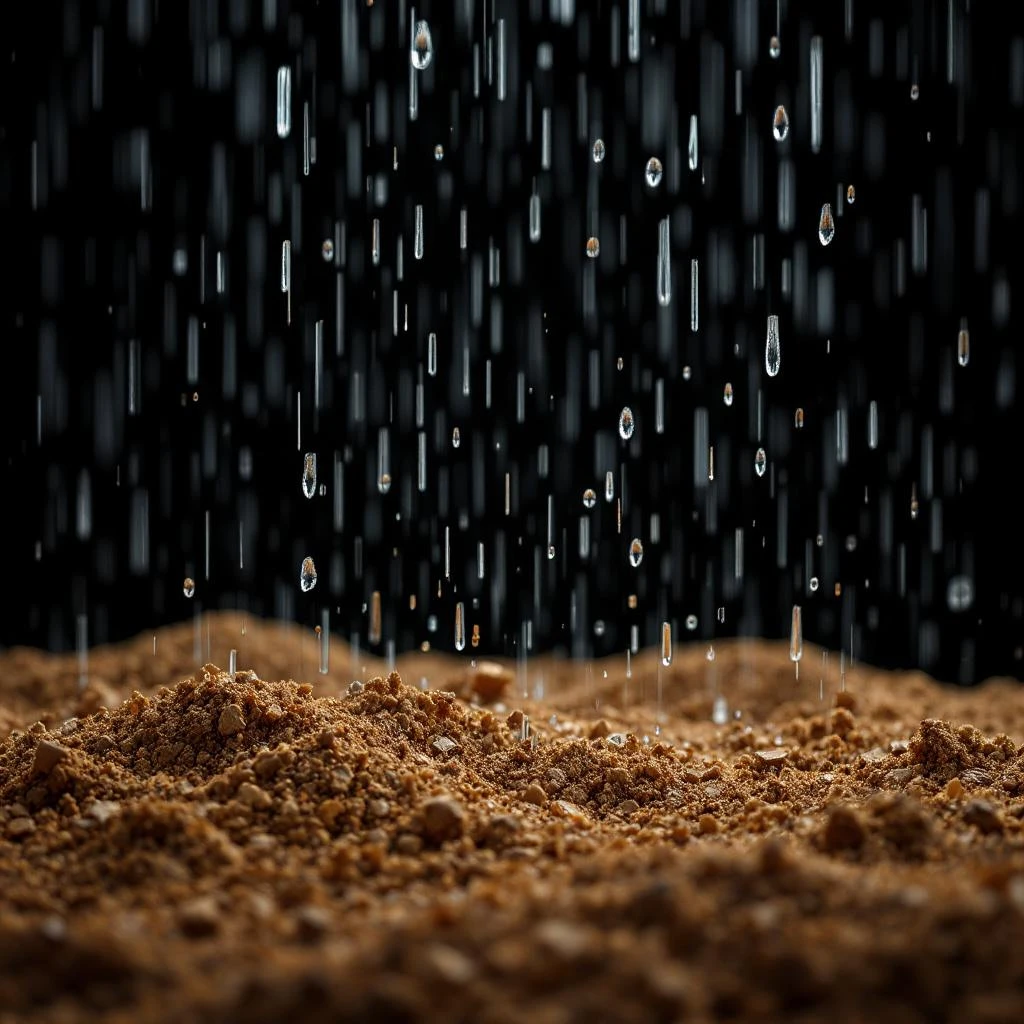
The scent of rainfall on warm earth. Capturing that moment when storm clouds break and petrichor rises from parched ground, this note delivers the primal, mineral-rich aroma that has shaped human sensory experience across millennia.
Character
How it smells
Capturing the primal scent of falling rain.
The word petrichor was coined by Australian researchers in 1964, deriving from Greek πέτρα (rock) and ἰχώρ (the fluid flowing through the veins of the gods).
Pairs beautifully with

Origin
Australia
Humans have long been fascinated by the scent of rain. Ancient Mesopotamians collected rain-infused clay vessels for ritual purposes around 1200 BCE. In 12th century Arabia, physicians discovered that heating rain-soaked earth released aromatic compounds through distillation, an early observation of what we now call enfleurage of the atmosphere.
The scientific study of petrichor began in 1964 when Australian geologists Isabel Bear and Richard Thomas published their research identifying geosmin as the source of the rain-earth smell. The fragrance industry adopted these findings decades later, creating synthetic accord options that capture this universally beloved scent without relying on actual rainfall.
Wears it best
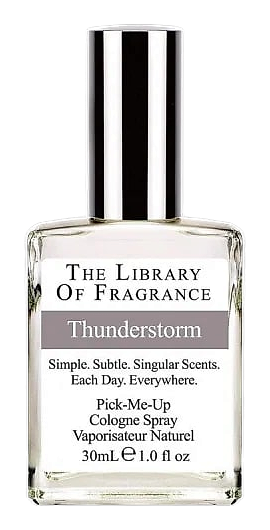
Fragrances featuring After-rain
Good to know
Questions, answered
The essentials on After-rain in perfumery: how it smells, where it comes from, and how it behaves on skin.
What gives after-rain its earthy scent?
Geosmin, a compound produced by soil bacteria called actinomycetes, forms the earthy foundation of the after-rain scent. This molecule is detected by humans at extremely low concentrations, making it one of the most potent odorants known.
Can after-rain be extracted from actual rain?
No. After-rain is an accord combining synthetic molecules like geosmin, ozonic compounds, and natural earthy notes. No extraction method captures the scent directly from rainfall.
What other notes pair well with after-rain?
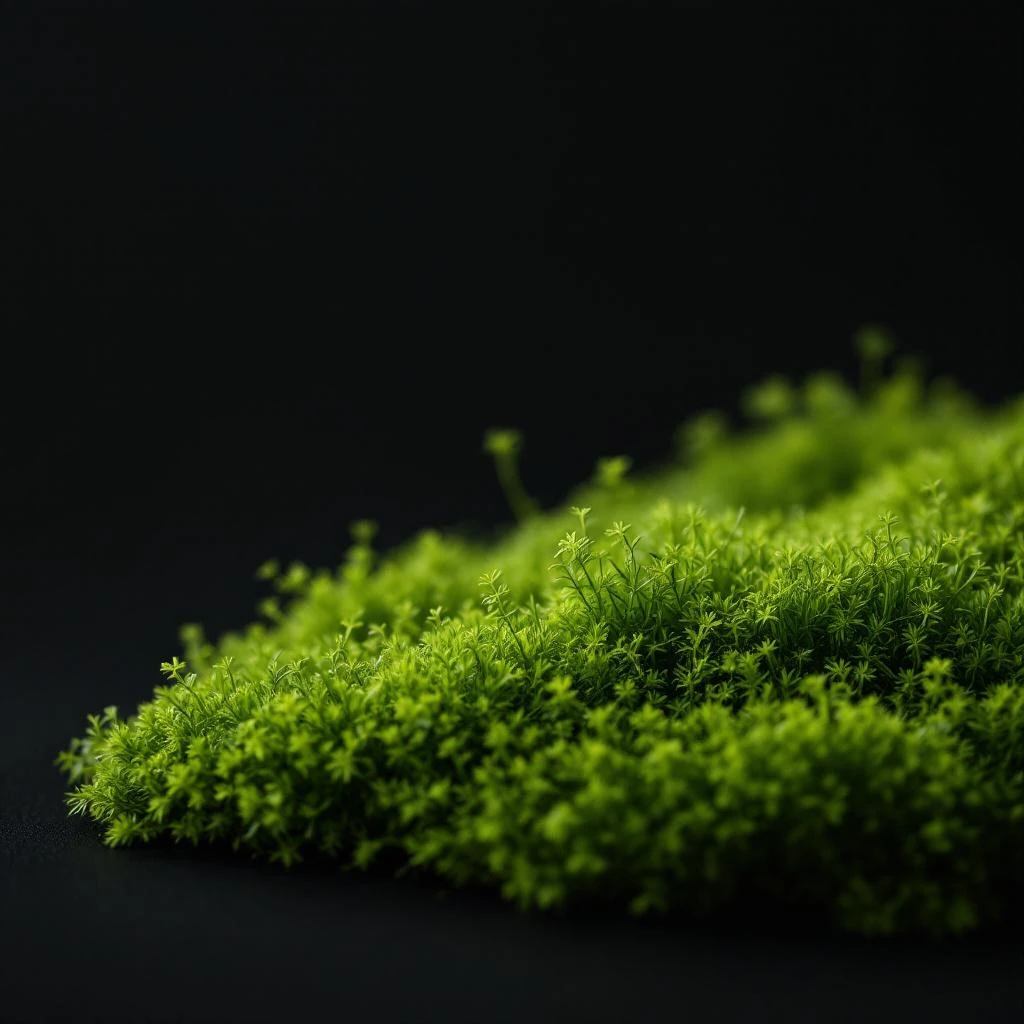
After-rain pairs naturally with vetiver, patchouli, oakmoss, and petrichor. Fresh aquatic and ozonic notes enhance its storm-like qualities, while warm woods ground its mineral character.
Why does rain smell different on various surfaces?
The scent varies because different surfaces release different compounds. Rain on concrete emphasizes mineral and ozonic notes, while rain on earth highlights geosmin and petrichor. Each creates a distinct olfactory experience.
Which fragrance families use after-rain notes most?
Chypre, fougere, and aquatic fragrances most commonly feature after-rain accords. It also appears in modern green and earthy compositions seeking a fresh, storm-related character.
Does after-rain work year-round in formulations?
After-rain notes perform best in cooler temperatures and higher humidity. In warm, dry conditions, the scent profile may fade faster, which is why perfumers often pair it with fixatives.