
The Story
Why it exists.
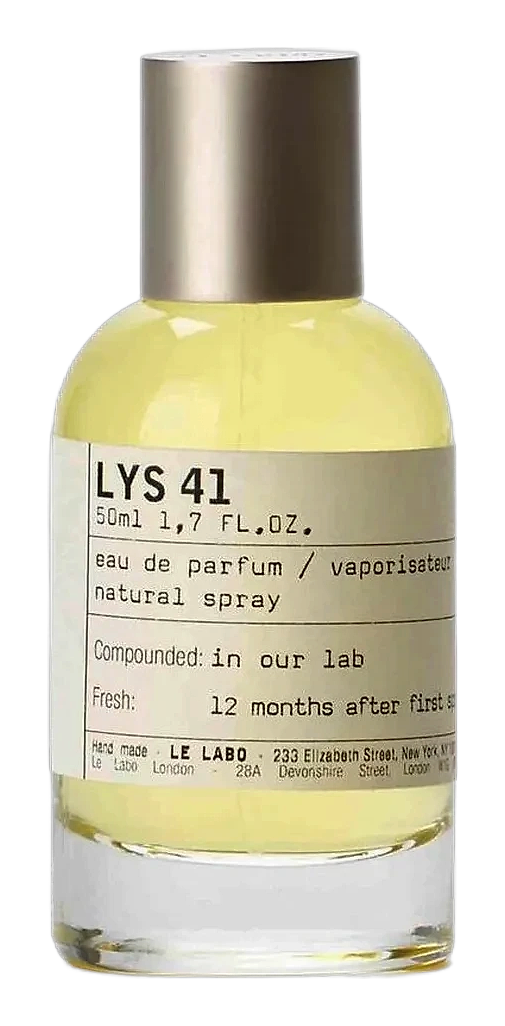
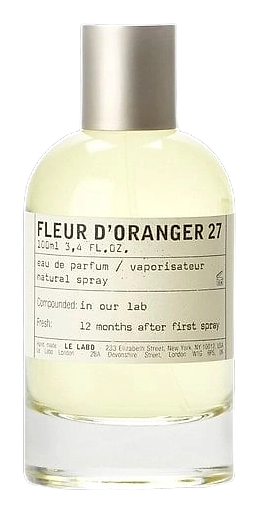
Fleur d'Oranger 27 arrived in 2006 as part of Le Labo's founding collection, long before Santal 33 became the house's defining statement. The number 114, or wherever they landed numerically, didn't matter. What mattered was that it worked. Françoise Caron built the scent around a straightforward premise: orange blossom as a living material, not a concept. She layered it against bitter petit grain, bright bergamot, and the sharp clean of lemon, a combination that reads as Mediterranean in memory, even if it was composed in a lab in Nolita. The scent didn't try to announce anything. It still filled the room.
If this were a song
Community picks
Les Mots
Mélanie Pain
The Beginning
Fleur d'Oranger 27 arrived in 2006 as part of Le Labo's founding collection, long before Santal 33 became the house's defining statement. The number 114, or wherever they landed numerically, didn't matter. What mattered was that it worked. Françoise Caron built the scent around a straightforward premise: orange blossom as a living material, not a concept. She layered it against bitter petit grain, bright bergamot, and the sharp clean of lemon, a combination that reads as Mediterranean in memory, even if it was composed in a lab in Nolita. The scent didn't try to announce anything. It still filled the room.
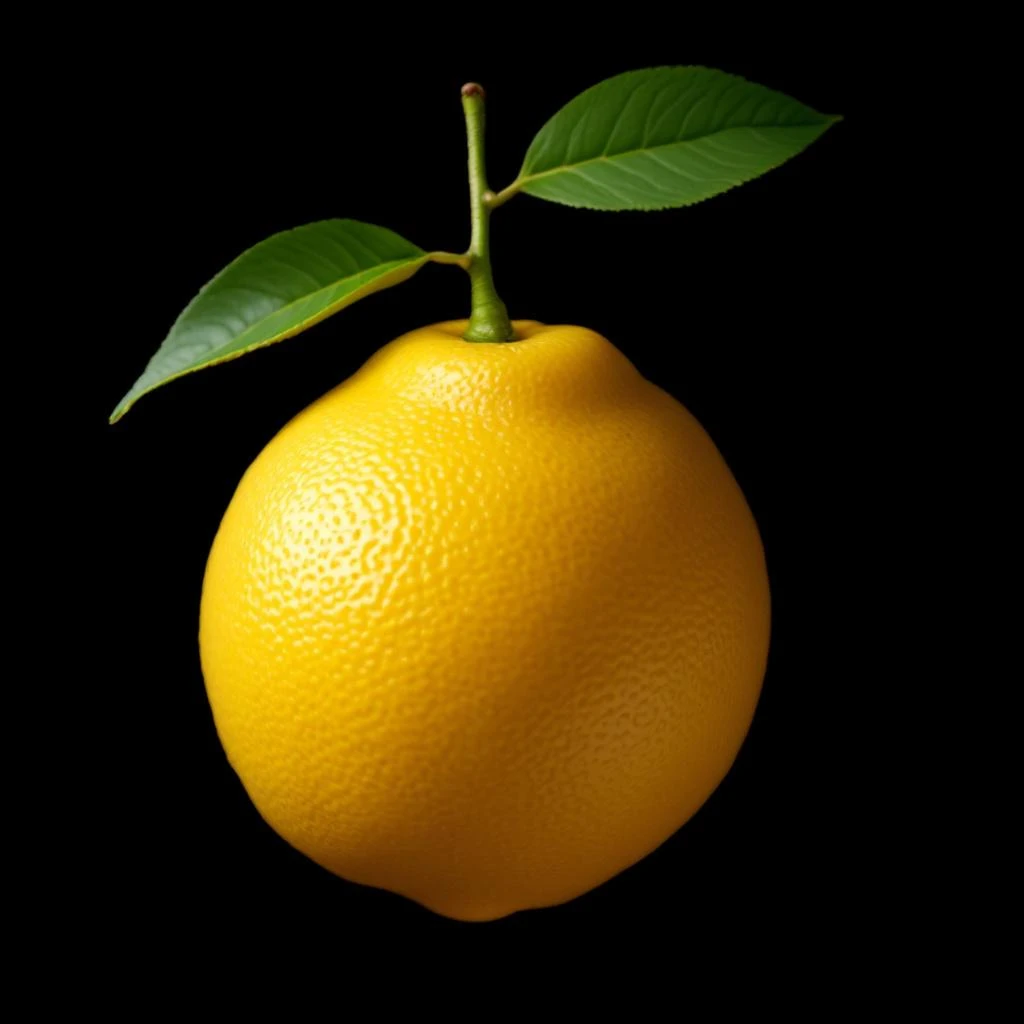
The note structure is deceptively simple. Bergamot, lemon, petit grain, those are citrus and green. Orange blossom sits above them like a canopy. Musk underneath binds it all to skin. No heavywoods, no spice, no leather. Just a clean chord that does exactly what it promises. What's interesting is Caron's restraint. In a category where orange blossom often becomes indolic and animalic (night-blooming flowers aren't polite), she kept this one on the side of daylight. That restraint is also the polarizing part. The scent doesn't evolve dramatically. It opens, it holds, it fades. If you're looking for a narrative arc across hours, you'll find it quieter than expected.
The Evolution
The opening unfolds in under a minute, bergamot and lemon racing in together, citrus-forward and immediate. Within five minutes, the petit grain shows up with its green, slightly woody edge, stretching the brightness before anything can cloy. The orange blossom doesn't rush. It arrives around the ten-minute mark, turning the composition from sharp to soft without ever becoming sweet. By the second hour, the heart holds. The citrus has receded but not disappeared, sitting just under the floral like a memory of morning. The musk makes itself known around hour three, not animalic, but warm. Close to skin. The kind that rewards someone standing near, not across the room. Into drydown, the orange blossom softens into something almost soapy. Clean linen without aggression. The wood note, present but understated in the initial cycle, finally becomes noticeable around hour five. Warm skin, light woods, a whisper of whatever Le Labo built their house on. The scent stays detectable on fabric into the following morning.
Cultural Impact
Fleur d'Oranger 27 sits quietly in Le Labo's catalog, not the house's bestseller the way Santal 33 is, but the one that fans return to when something simpler is needed. It's worn by people who'd rather smell like they've showered and put on clean clothes than announce their presence with force. The community calls it a "quiet investment" fragrance, not flashy, but the kind that earns loyalty over years rather than months.
The House
USA · Est. 2006
Le Labo is a New York-based perfume house that champions slow perfumery and the art of the handmade scent. They're known for their industrial-chic aesthetic and for compounding their fragrances to order, creating a deeply personal experience that stands apart from the mainstream.
If this were a song
Community picks
A cool morning with the windows open. The scent of clean sheets and the faint memory of flowers from the garden below. That specific clarity, not clinical, but alive. The music that matches isn't dramatic either. It's music for the unhurried hour, for the kind of morning where you don't have anywhere that requires you to perform.
Les Mots
Mélanie Pain