The Story
Why it exists.
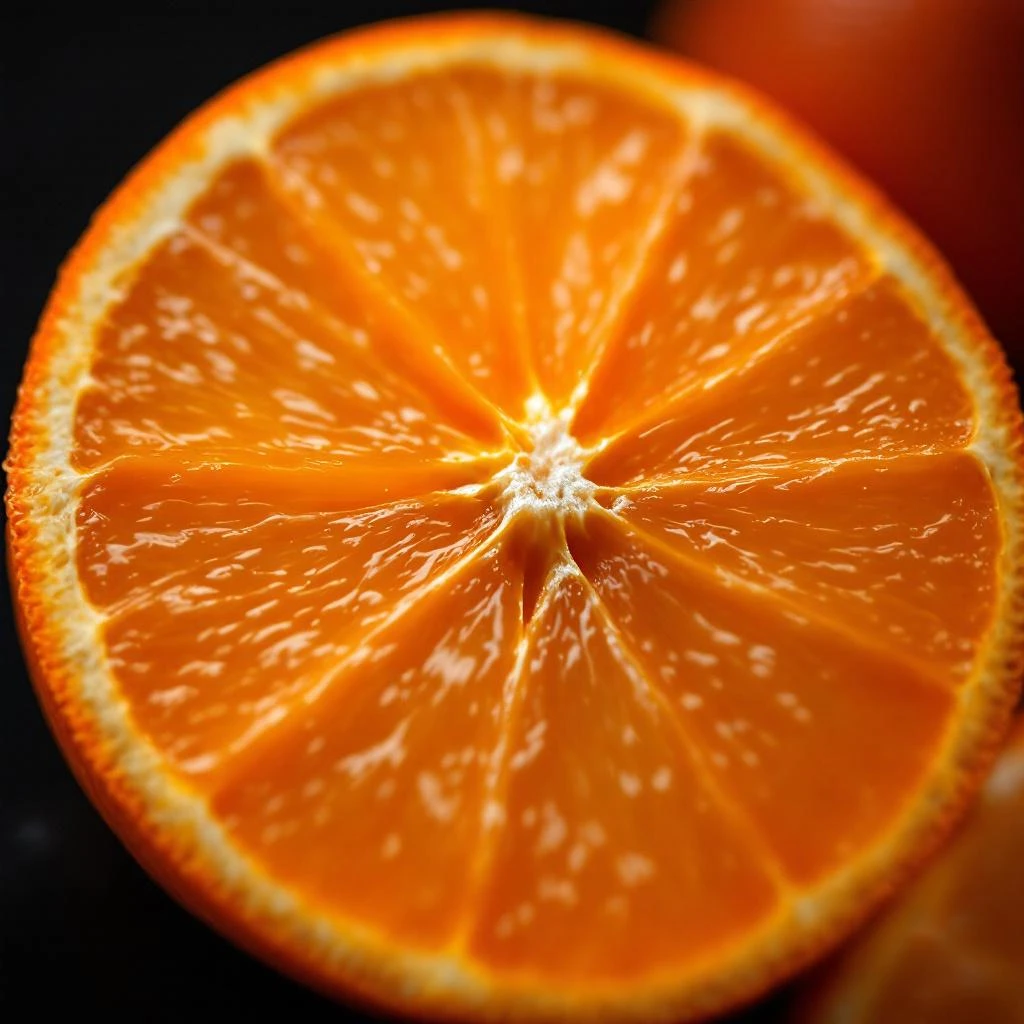
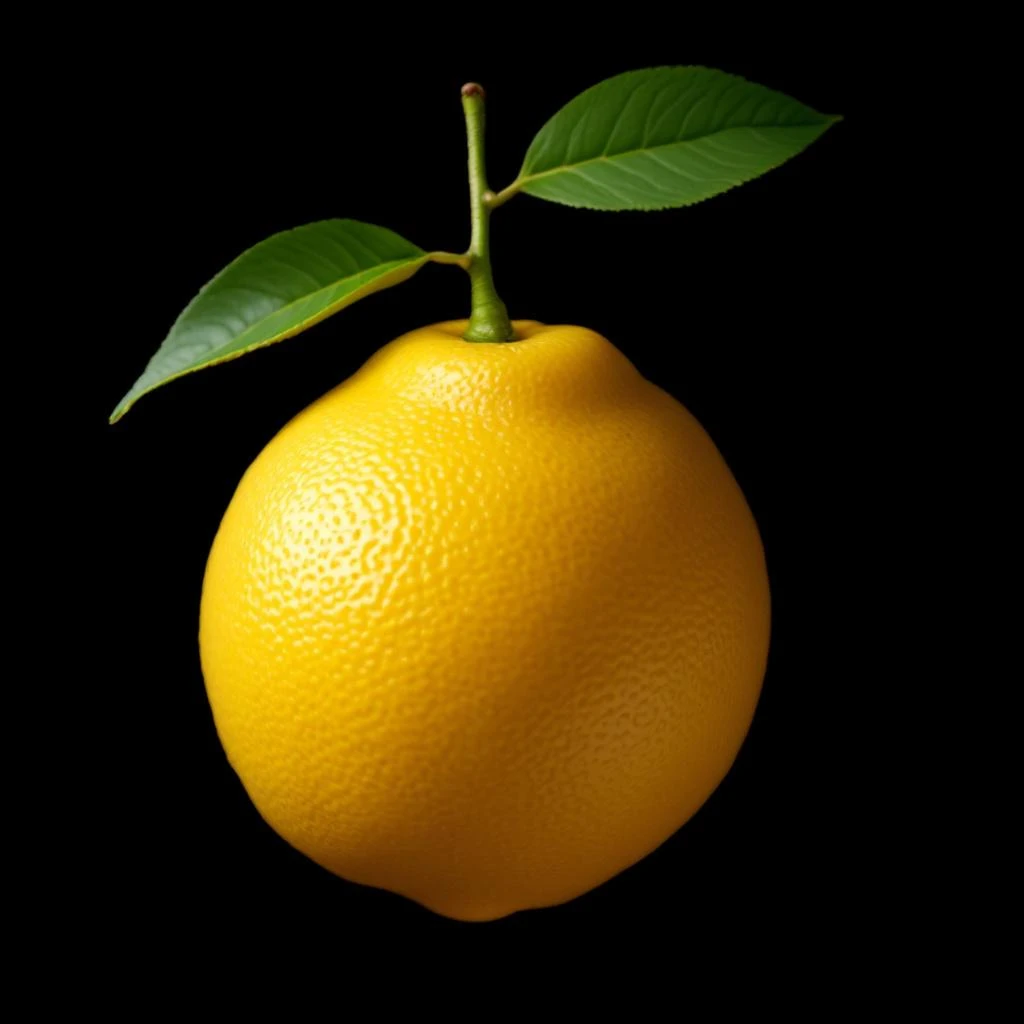
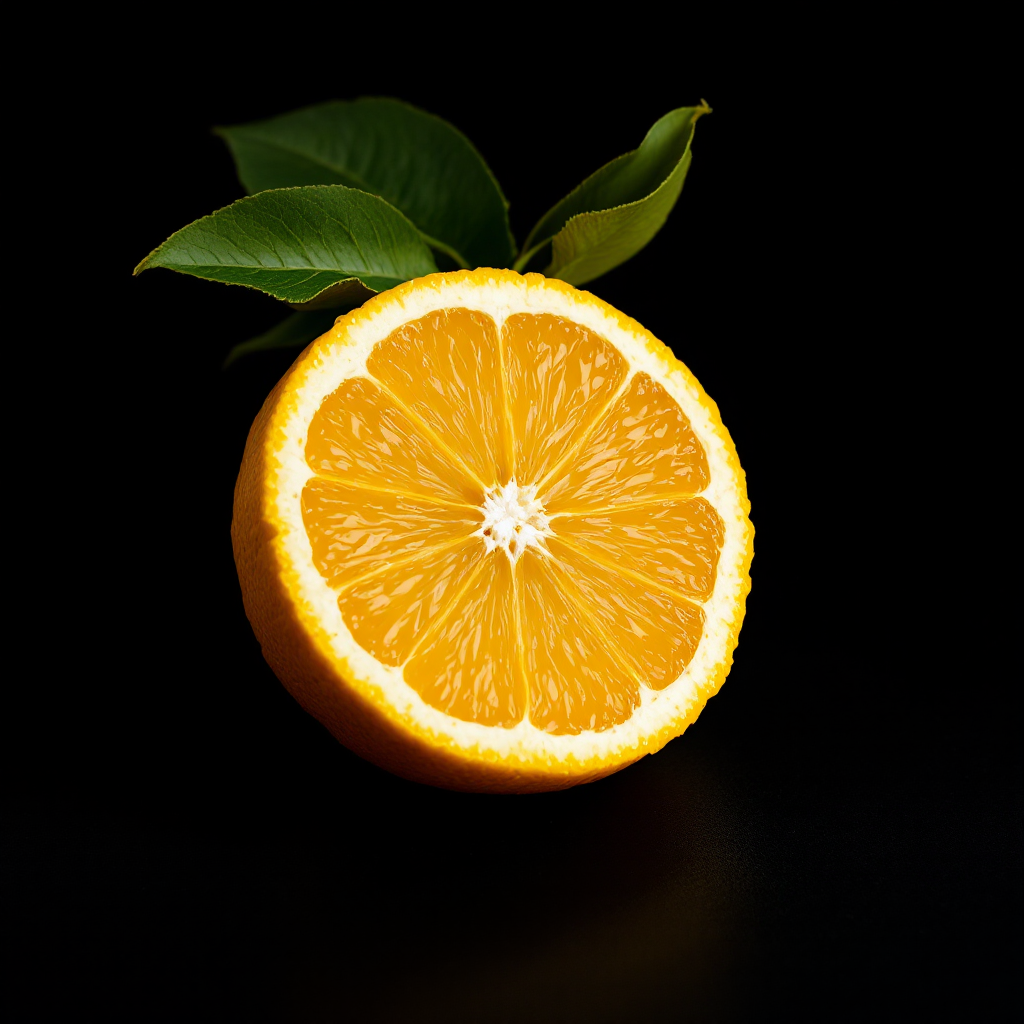
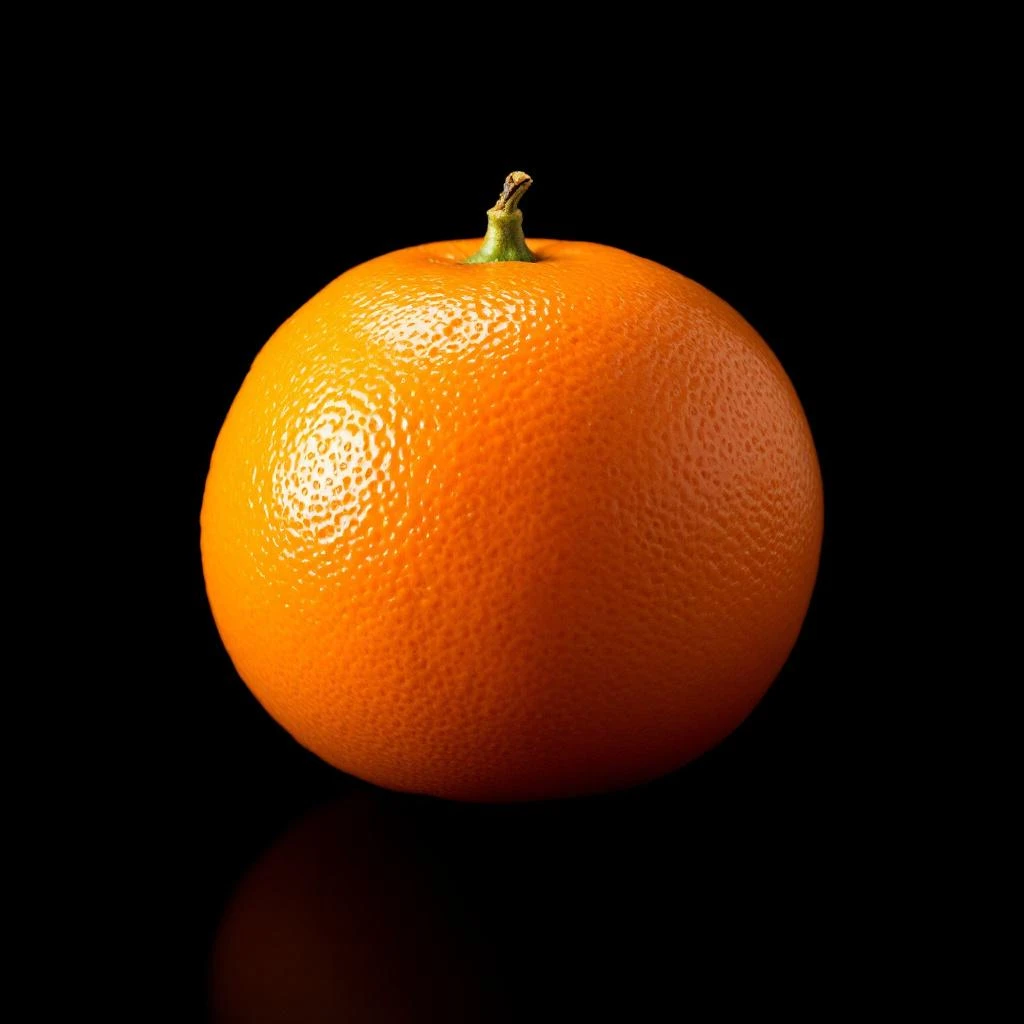
The Spezieria di San Marco Eau de Cologne arrives in 2024 as the house's statement on what a cologne should be. The name itself is the concept: Colonia in its purest form, no apology. The house spent decades reviving Venice's citrus cultivars and poring over 17th-century guild manuscripts, searching for the exact brightness that defined those early Aqua Mirabilis formulas. The perfumer, whoever's hands guided this one, had one job: make it smell like the sun hitting stone in the San Marco district at noon, not like a metaphor for that moment. The four-citrus opening is the answer. Bergamot from Calabrian groves, lemons from Amalfi, orange from sustainable Brazilian farms, and mandarin to thread it all together. This is cologne as a declaration of intent.
If this were a song
Community picks
Matteo Brancaccio
Nicola Conte
The Beginning
The Spezieria di San Marco Eau de Cologne arrives in 2024 as the house's statement on what a cologne should be. The name itself is the concept: Colonia in its purest form, no apology. The house spent decades reviving Venice's citrus cultivars and poring over 17th-century guild manuscripts, searching for the exact brightness that defined those early Aqua Mirabilis formulas. The perfumer, whoever's hands guided this one, had one job: make it smell like the sun hitting stone in the San Marco district at noon, not like a metaphor for that moment. The four-citrus opening is the answer. Bergamot from Calabrian groves, lemons from Amalfi, orange from sustainable Brazilian farms, and mandarin to thread it all together. This is cologne as a declaration of intent.
The note structure follows classical Eau de Cologne architecture with almost academic precision: a burst of citrus on top, a floral-herbal transition in the heart, and a clean musky base that keeps everything close to the skin. The twist is modern chemistry. Serenolide and Helvetolide, synthetic white musks, replace the traditional moss or resinous base that would weight down a vintage cologne. The result is a cologne that smells like it belongs to 1709 but performs like it belongs to 2024. The neroli and petitgrain heart is worth noting: these aren't decorative florals dropped in for complexity. They're the bridge, pulling the bright citrus forward into something more considered, more aromatic, more Venetian.
The Evolution
The opening hits immediately and stays close. Bergamot and lemon arrive sharp, almost astringent, cutting through the first thirty minutes like a shot of espresso. Brazilian orange and mandarin sweeten the deal, layering warmth on top of brightness without pushing into jam. You smell it because it's right there, not because it's projecting across the room. By the second hour, the neroli emerges, clean, almost bitter, green in the way that orange blossom is green when you crush the stem. Petitgrain follows, woody and herbal, pulling the composition toward something more grounded. The citrus doesn't disappear; it recedes, becomes part of the architecture rather than the announcement. By hour three, the drydown settles into something transparent and skin‑close. Serenolide and Helvetolide lift what remains into a clean, almost mineral warmth. This is cologne as a conversation, not a monologue. The fragrance enjoys a loyal following that appreciates its balanced presence, offering enough staying power for an afternoon without demanding re‑application.
Cultural Impact
Since its 2024 launch, Spezieria di San Marco Eau de Cologne has become a quiet cultural touchstone for lovers of classic Mediterranean scents. Its bright citrus blend evokes the bustling markets of Venice, while the modern musk base signals a forward‑looking reinterpretation of tradition. Fragrance enthusiasts cite it as a bridge between heritage and contemporary taste, often mentioning it in discussions about the resurgence of authentic, region‑inspired colognes. The scent has appeared in several curated seasonal collections, reinforcing its role as a reference point for fresh, daylight‑friendly compositions.
The House
Italy · Est. 1437
Spezieria di San Marco translates a centuries‑old Venetian laboratory tradition into contemporary fragrance. The house draws on the city’s historic spezierie, where botanists and alchemists mixed herbs, spices and citrus to create scented remedies. Today the brand releases modern Eau de Cologne, Caviar Lime and Velvet Neroli while keeping the spirit of a 15th‑century workshop alive for a global audience that values authenticity and craft.
If this were a song
Community picks
This fragrance sounds like a window thrown open on a warm Venetian morning, bright, transparent, with something almost architectural in its structure. The citrus opening resonates like a chord struck on a harpsichord, clean and immediate. As the neroli and petitgrain arrive, the music shifts into something softer, more contemplative, the kind of melody that doesn't demand attention but rewards it. The drydown settles into a sustained note, unhurried and intimate, like the last movement of a string quartet that refuses to rush toward silence.
Matteo Brancaccio
Nicola Conte