Character
The Story of Brazilian orange
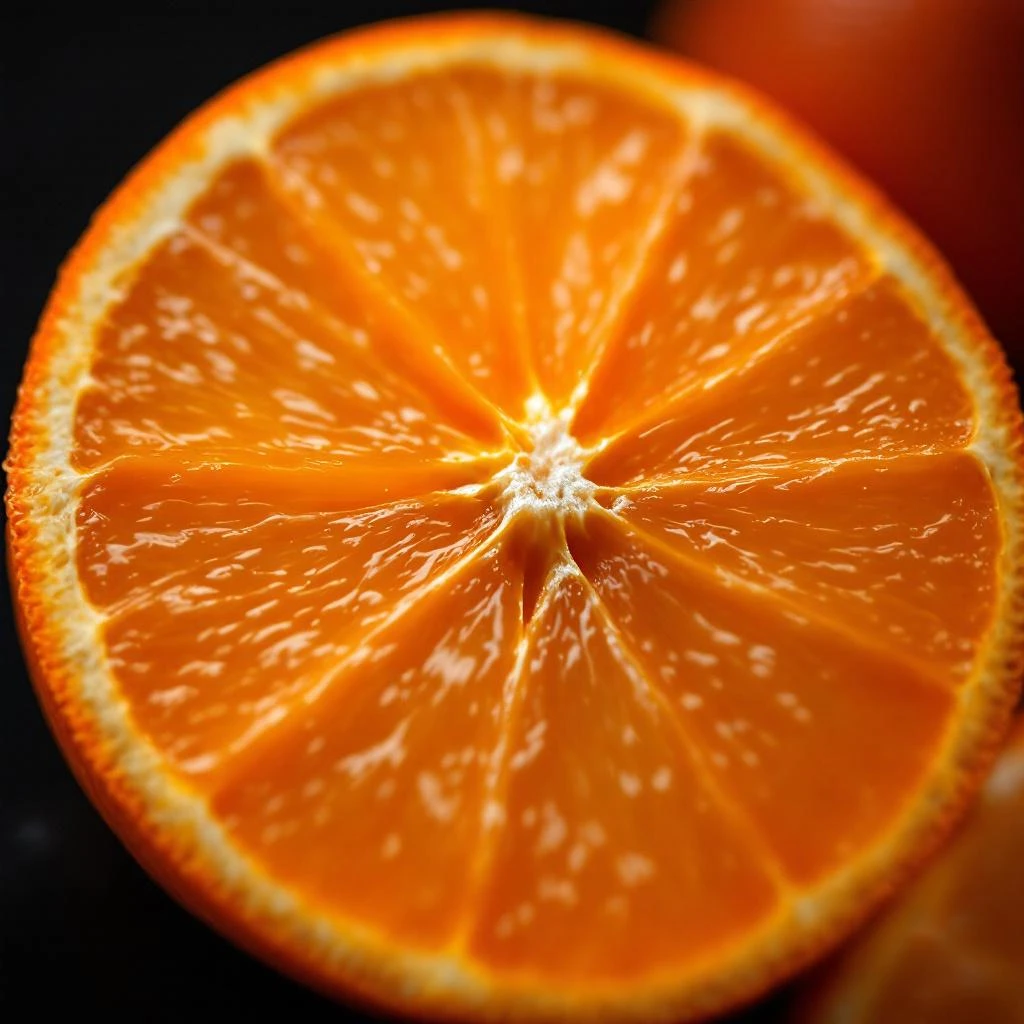
Brazilian orange oil carries the warmth of the São Paulo Citrus Belt, where the Pera variety yields a sweet, round citrus that anchors countless fragrances. Pressed from the fruit peel as a by-product of juice production, it delivers immediate, sunny brightness no perfume counter can resist.
Heritage
Sweet orange is not a natural species. It emerged centuries ago in Southeast Asia as a hybrid between pomelo and mandarin, eventually establishing itself as Citrus sinensis through centuries of cultivation. Portuguese traders spread the fruit along their maritime routes, and legend holds the first European orange tree took root in a Lisbon garden. Brazil's entry into orange cultivation came later, but the country now produces more than any nation on Earth. The Pera variety, locally called Pera do Rio, represents Brazil's contribution to citrus breeding: a late-ripening sweet orange developed through generations of careful crosses. Its thick skin and high oil content make it ideal for cold pressing, establishing the Brazilian orange oil industry that now supplies the world.
At a Glance
1
Feature this note
Brazil
Primary source region
Ingredient Details
Cold pressing
Fruit peel (pericarp)
Did You Know
"It takes 1.5 metric tons of ripe Brazilian oranges to produce just one kilogram of essential oil."