



The Heritage
The Story of Spezieria di San Marco
Spezieria di San Marco translates a centuries‑old Venetian laboratory tradition into contemporary fragrance. The house draws on the city’s historic spezierie, where botanists and alchemists mixed herbs, spices and citrus to create scented remedies. Today the brand releases modern Eau de Cologne, Caviar Lime and Velvet Neroli while keeping the spirit of a 15th‑century workshop alive for a global audience that values authenticity and craft.
Heritage
The story begins in 1437, when a guild of Venetian spezierie opened its doors in the San Marco district. These early workshops functioned as both apothecary and perfume lab, allowing botanists to experiment with Mediterranean herbs, citrus fruits and exotic resins. By the early 1600s, perfumer Giovanni Paolo Feminis documented an “Aqua mirabilis,” a bright, medicinal scent sold as an antidote to common ailments; this formula foreshadowed the city’s later reputation for refined colognes. In the 18th century, the Farina family, whose patriarch Giovanni Maria Farina created the original Eau de Cologne in 1709, traced its lineage to a Venetian perfumer, linking the brand to a broader European fragrance heritage. Fast‑forward to the 21st century, Mavive SpA revived the historic name, announcing Spezieria di San Marco as a new brand in a 2023 LinkedIn post that highlighted the ancient tradition of Venetian speziali. The first contemporary fragrance, Eau de Cologne, arrived in 2024, featuring Brazilian orange, Italian lemon and Calabrian bergamot. In 2025 the house expanded its portfolio with Caviar Lime, Velvet Neroli, Triple Bergamot Extract and Black Lemon, each referencing a specific regional ingredient. Throughout its evolution, the brand has maintained a narrative that blends archival research, archival recipes and modern olfactory techniques, positioning itself as a living bridge between Renaissance scent‑craft and today’s niche market.
Craftsmanship
Production begins in a Venetian studio that mirrors the layout of historic spezierie, with separate chambers for maceration, distillation and aging. Artisans select raw materials from the same regions described in early guild records: Calabrian bergamot harvested at peak ripeness, Italian lemons from the Amalfi coast, and Brazilian orange peels sourced from sustainable farms. The ingredients undergo a cold‑press extraction that preserves volatile citrus notes, a method documented in 1600s Venetian treatises. After extraction, the blend rests in copper vats for a minimum of 30 days, allowing the natural oils to integrate without the use of modern accelerants. Quality control includes olfactory panels that compare the new scent to archival descriptions, ensuring fidelity to the historic profile. The brand also employs a small‑batch bottling line that fills each 100 ml glass vessel by hand, sealing it with a cork that bears the house’s emblem. Every step, from ingredient selection to final packaging, follows a checklist derived from both historical practice and contemporary safety standards, creating a product that feels both antique and reliable.
Design Language
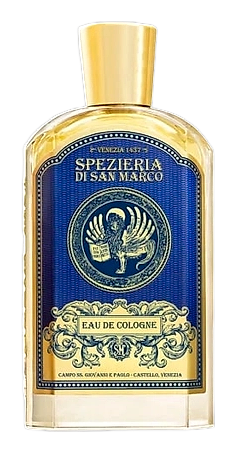
The visual language of Spezieria di San Marco reflects the architecture of Venice’s grand palazzos. Bottles feature a clear, high‑gloss crystal that showcases the liquid’s amber hue, while the label bears a hand‑drawn illustration of the San Marco basilica’s façade. Gold foil accents trace the outline of a historic apothecary seal, linking the modern product to its 15th‑century roots. The typography uses a serif typeface reminiscent of old Venetian printing presses, and the packaging includes a vellum‑like insert that explains the fragrance’s historical context. Marketing imagery often places the bottle against a backdrop of canal stone or a dimly lit laboratory, reinforcing the brand’s narrative of time‑traveling scent. This restrained yet story‑rich aesthetic positions the brand as a curator of heritage rather than a flash‑in‑the‑pan trendsetter.
Philosophy
Spezieria di San Marco treats perfume as a dialogue between past and present. The brand believes that scent can transport a wearer to a specific moment in history, so it anchors each composition in documented Venetian formulas while allowing contemporary noses to reinterpret them. It values transparency, sourcing ingredients that echo the original Mediterranean gardens of the Republic. The house avoids vague claims of innovation; instead it focuses on concrete practices such as reviving forgotten citrus cultivars and employing traditional maceration times documented in 17th‑century manuscripts. Sustainability informs the philosophy: the brand selects suppliers who practice responsible harvesting, especially for bergamot and neroli, and it limits synthetic additives to those that replicate historic accords. By framing each launch as a chapter in a larger narrative, the house invites collectors to explore a timeline of scent rather than a single trend.
Key Milestones
1437
Founding of the original Venetian spezierie in the San Marco district, establishing a workshop‑laboratory model.
1600
Giovanni Paolo Feminis creates the ‘Aqua mirabilis’, an early medicinal scent that influences later cologne recipes.
2023
Mavive SpA announces the launch of Spezieria di San Marco, reviving the historic name for a modern fragrance line.
2024
Release of Spezieria di San Marco Eau de Cologne, featuring Brazilian orange, Italian lemon and Calabrian bergamot.
2025
Introduction of Caviar Lime, Velvet Neroli, Triple Bergamot Extract and Black Lemon, expanding the portfolio with region‑specific accords.
At a Glance
Brand profile snapshot
Origin
Italy
Founded
1437
Heritage
589
Years active
Collection
1
Fragrances released
Avg Rating
4.7
Community sentiment
Release Rhythm


