
The Story
Why it exists.
The beginning
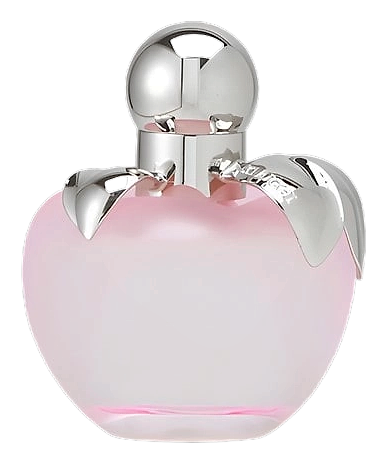
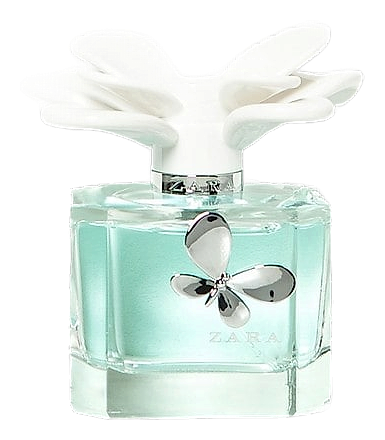
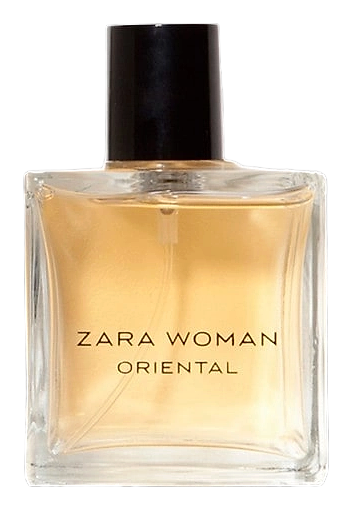
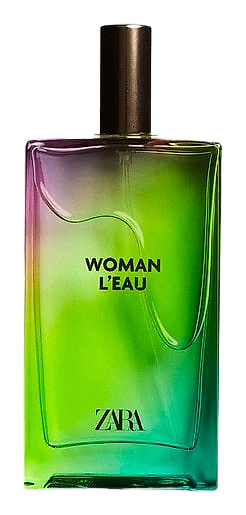
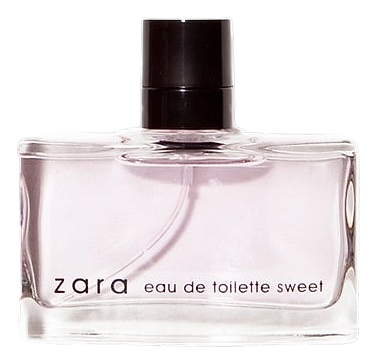
Zara launched Sweet in 2012, joining the brand's growing fragrance line during a period when accessible fashion-perfumery was becoming a defining category. The brief was clear: take the most universal appeal in scent, fruity, sweet, citrus-bright, and execute it without pretension. Zara has never pretended to be anything other than contemporary and affordable, and Sweet fits that identity precisely. No heritage claims. No luxury positioning. Just a well-made, approachable fragrance with a name that means exactly what it smells like.
The structure is minimal on purpose. Three tiers, three materials per tier in the pyramid, this isn't a crowded composition. Bergamot, Green Apple, Peach, Vanilla. Each note appears exactly once, which means no hiding. The bergamot has to perform as an aromatic citrus, not just a brightener. The green apple has to bring actual fruit, not just sweetness. And the vanilla has to be creamy enough to hold the whole thing together without tipping into dessert. That kind of restraint, at this price point, is worth noting.
The evolution
The opening arrives in under a minute. Bergamot and green apple come out together, the citrus cutting the fruit's sweetness just enough to keep things lively. The peach doesn't announce itself, it slides in around the three-minute mark, softening the bergamot's edge. There's no dramatic transition. The notes simply begin to blend. Around the thirty-minute mark, the vanilla becomes perceptible, first as warmth, then as texture. By hour two, the composition has settled into something smooth and close to the skin. The drydown is the vanilla, not overpowering, not loud, just present. The next morning, a faint sweetness lingers on fabric. Intimate. Worn. The kind of trace that makes you want to put it on again.
Cultural impact
Zara fragrances occupy a specific space in the market, contemporary, fashion-literate, and priced for accessibility. Sweet, released in 2012, represents the brand's bet on universal appeal: a fruity-floral that anyone can wear, at a price that doesn't require justification. It doesn't try to rival heritage houses. It doesn't need to. The audience for Zara Sweet is someone who shops Zara for the same reason they might wear this fragrance, a preference for current, considered design over status signaling.