The Story
Why it exists.
The beginning
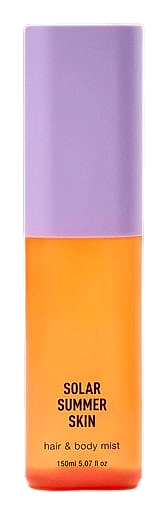
Solar Summer Skin arrives in 2025 as part of Zara's ongoing fragrance program, developed with perfumer Jérôme Epinette. The name says everything, this is a scent about skin in sunlight, about the warmth that lingers after a day at the beach or a long summer afternoon. The brief was simple: salted caramel for sophisticated sweetness, jasmine for luminosity, sandalwood for creamy warmth that doesn't quit. Nothing revolutionary. Just the right materials doing the right job. Sometimes that's enough.
Solar Summer Skin works because the ingredients don't fight each other. Salted caramel opens sweet and warm, but it could tip into confectionery without something holding it back. That's the jasmine's role: luminous, not sweet, keeping the caramel honest. Sandalwood anchors everything with a creamy woodiness that extends the wear without projection. Three notes. No decoration. The simplicity is the point, warm weather fragrances don't need complexity. They need balance, and this has it.
The evolution
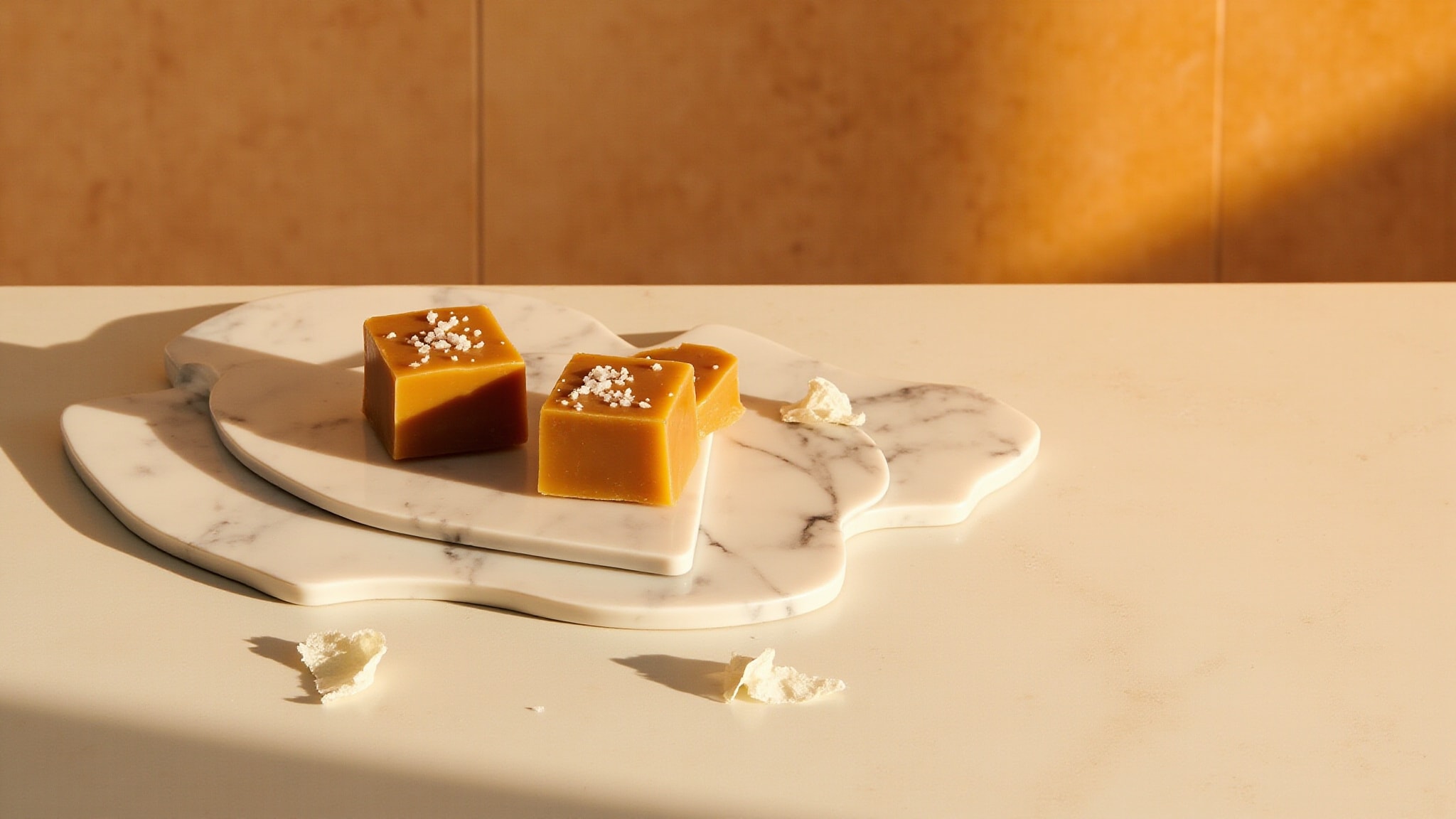
The opening arrives without ceremony. Salted caramel takes over immediately, sweet, warm, like a caramel square melting against skin. No citrus to brighten it, no spice to complicate it. Just the confection, unhurried. Twenty or thirty minutes in, the jasmine arrives. It doesn't overpower, it softens. The salted caramel recedes just enough for the floral to add light and dimension. This is the shift: from gourmand to something more wearable, more intimate. The sandalwood emerges in the drydown, and this is where the fragrance earns its name. Creamy, close, warm. It stays for hours, not projecting, not demanding attention, just present. On fabric, it lingers into the next day. On skin, it remains soft and skin-close, the kind of warmth you notice when you move rather than when you enter a room.
Cultural impact
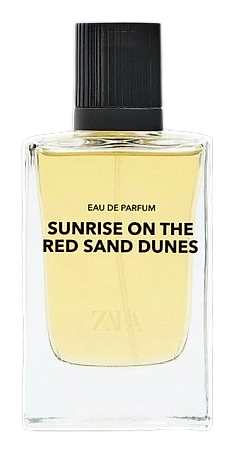
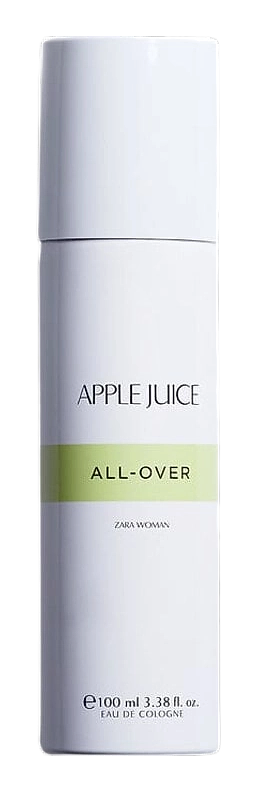
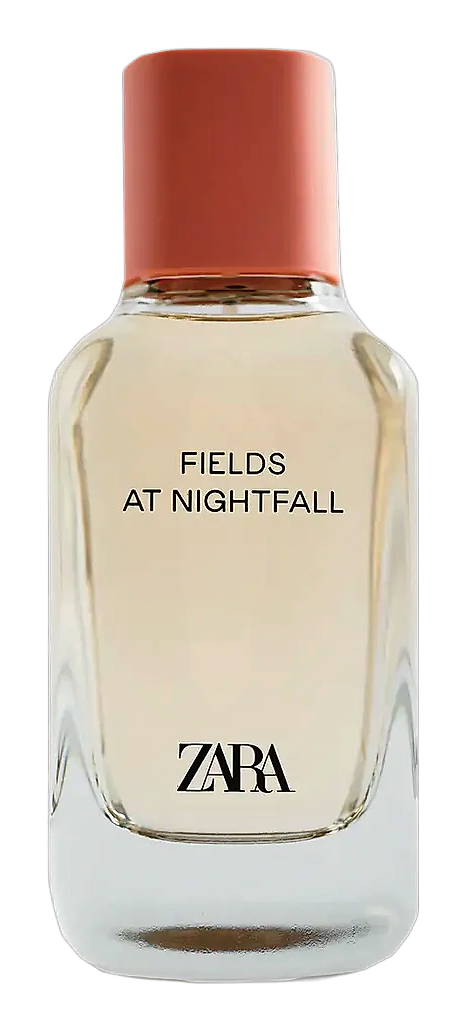
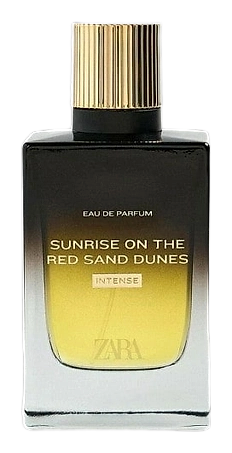
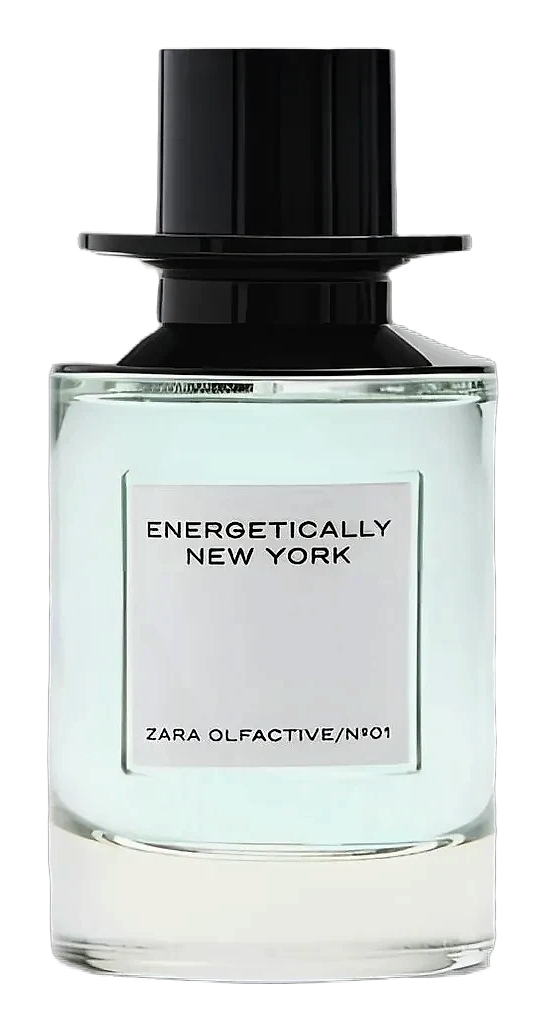
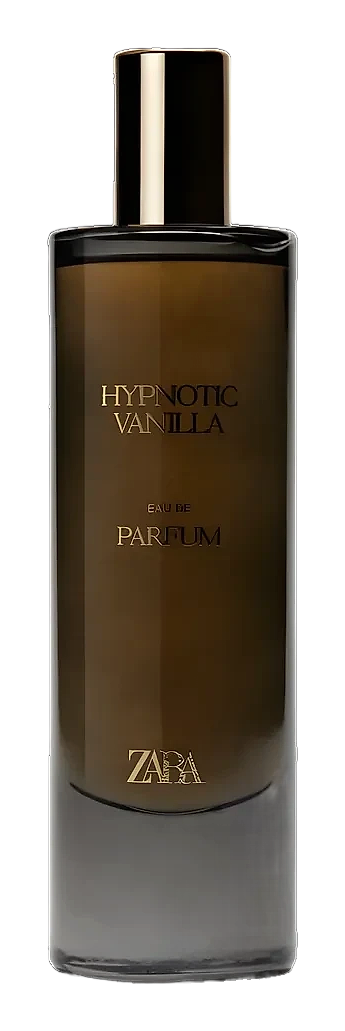
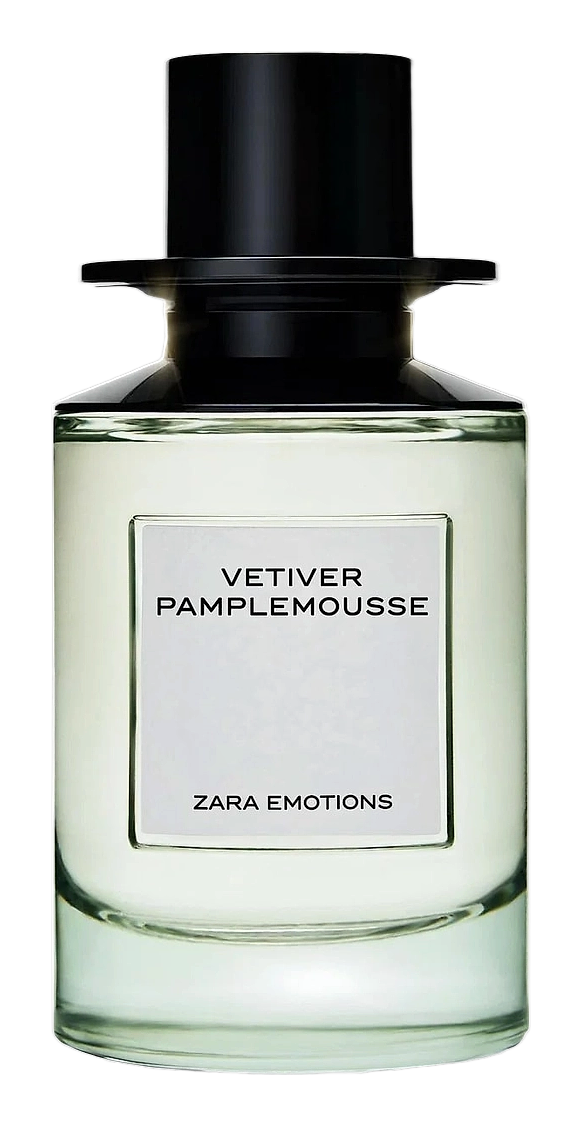
Solar Summer Skin joins Zara's broader Solar fragrance collection, which includes releases like Solar Mango and Sunrise on the Red Sand Dunes. The brand's approach to fragrance mirrors its fashion: contemporary, minimal, and accessible. Zara's partnership with established perfumers like Epinette ensures professional-grade compositions at democratic price points, stylish options for consumers who appreciate considered design without luxury barriers.
The House
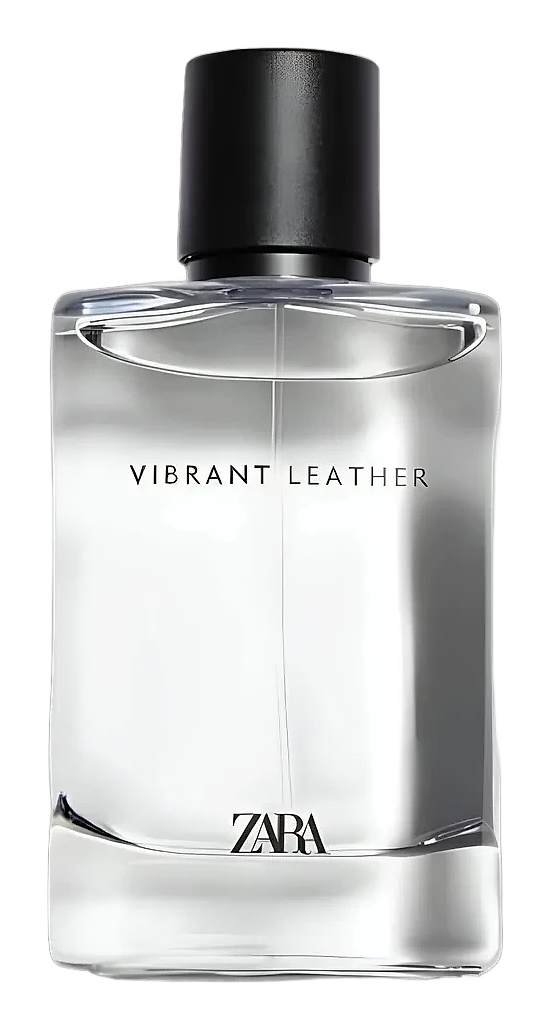
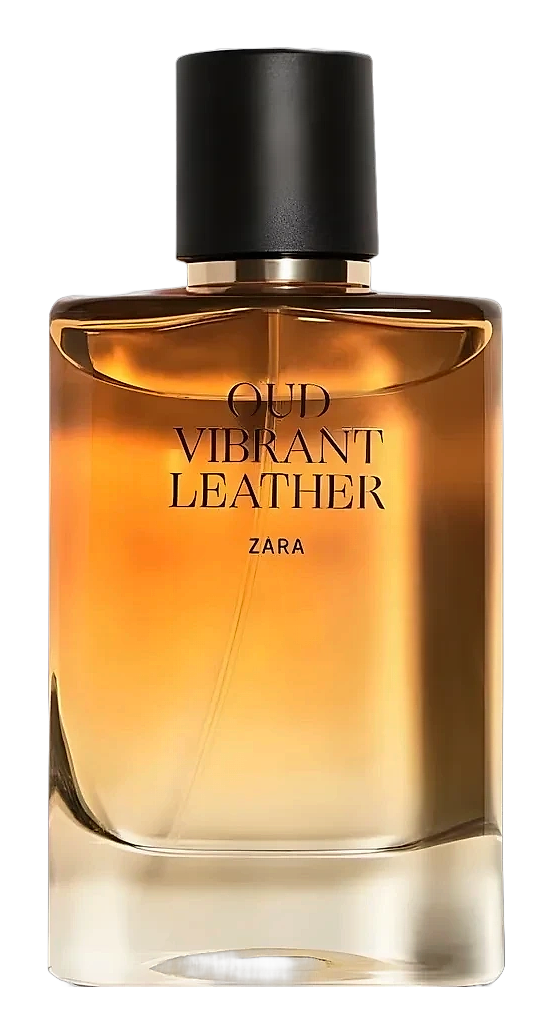
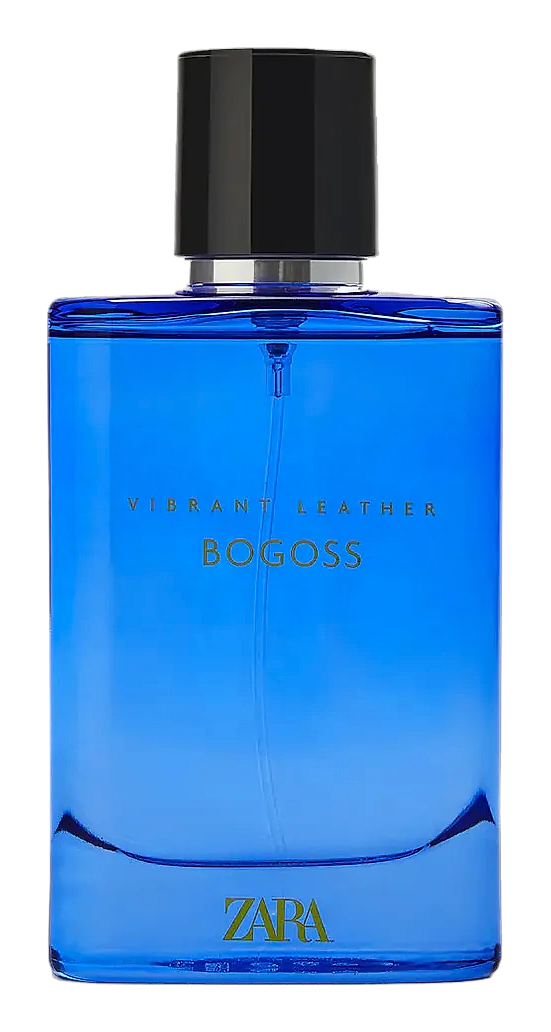
ZaraZara is a Spanish fashion retailer headquartered in Arteixo, Galicia, operating under the Inditex group. Founded in 1975 by Amancio Ortega and Rosalía Mera, the brand evolved from a single store into a global fashion powerhouse with over 2,000 locations across 90 countries. Zara entered the fragrance market in 1998 through a partnership with Spanish fragrance house Puig. The brand gained significant attention in the fragrance world through its 2019 collaboration with independent perfumer Jo Malone CBE, founder of Jo Loves. Zara fragrances are available through the brand's own boutiques and online store, positioned alongside its clothing, accessories, and home goods lines. The brand's fragrance portfolio spans diverse styles, from gourmand favorites like Delicious Peach (2024) to timeless classics such as Zara Man 2000, with recent releases including Vibrant Leather Summer Breeze (2025).
The Creator
Jérôme EpinetteEpinette's style can be described as modern and sophisticated, with a focus on natural ingredients and clean lines. He has a knack for creating fragrances that are both wearable and interesting, often incorporating unexpected elements to add depth and complexity.