The Story
Why it exists.
The beginning
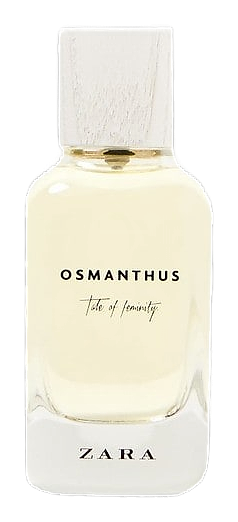
The name says it all. Osmanthus, Tale Of Feminity is built around the idea of femininity as layered, contradictory, worth lingering over. Not pink, not powdery, not a bouquet. A fruit and a flower and something worn. Zara's 2018 release placed osmanthus at the center of a composition that offered something different from typical floral constructions, blending sweetness with warmth in a way that suggested depth and complexity.
Osmanthus, the Chinese sweet olive, carries a distinctive apricot-honey character that doesn't smell like rose or jasmine or any of the usual suspects. It's warm, it clings, it has opinions. In this fragrance, it's asked to share space with peach on top and leather below. Neither dominates. The osmanthus becomes the bridge: a floral that doesn't apologize for sweetness, meeting a leather that doesn't need to prove anything. It's an unusual structure. Five years after discontinuation, people are still looking for it.
The evolution
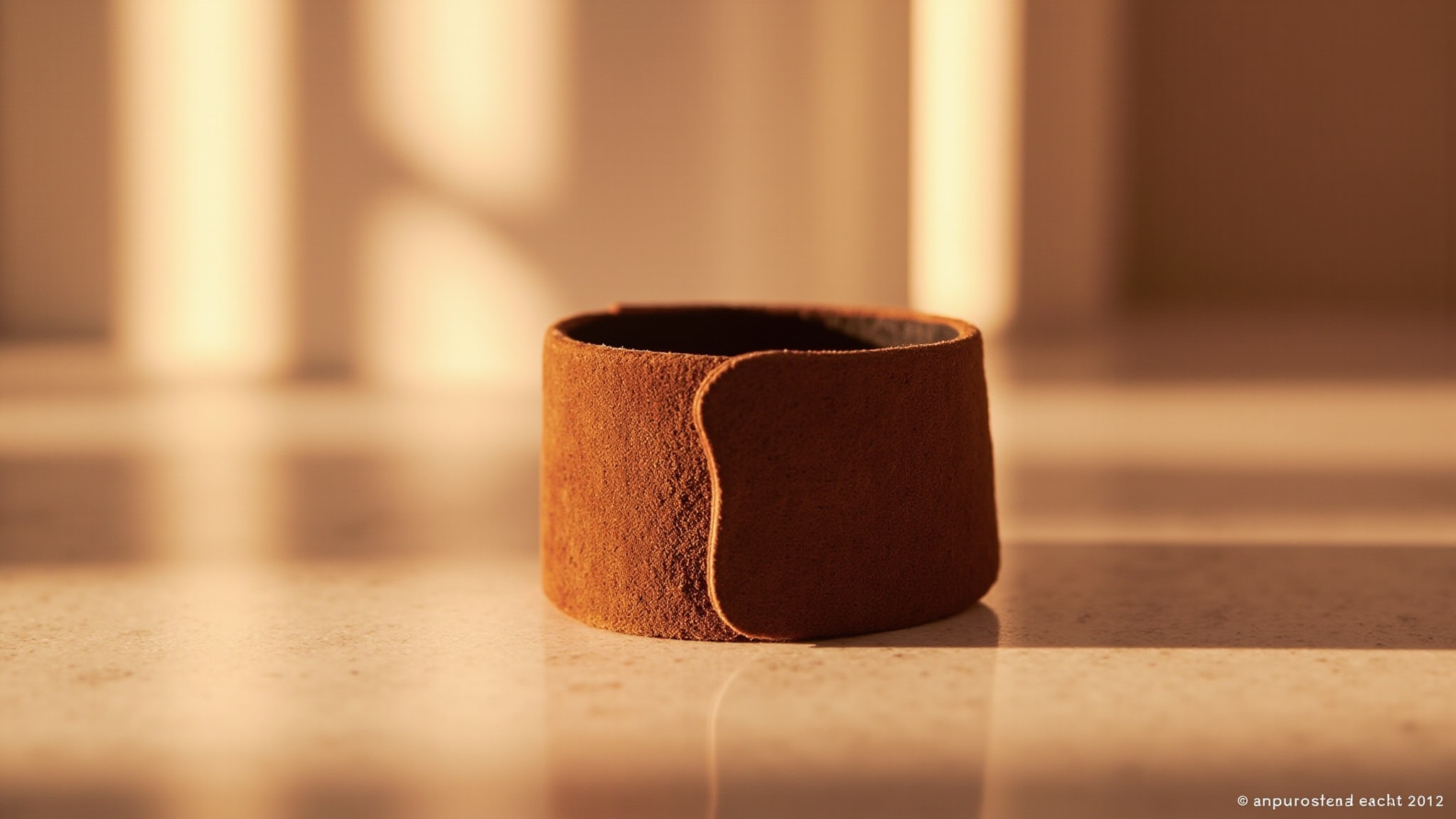
The opening hits bright and tart. Peach, immediate, with a freshness that suggests something just ripe. Within minutes, the osmanthus arrives, honeyed, apricot-warm, a softness that counters what could have been sharp. The leather doesn't announce itself. It waits. By the heart phase, the peach has become translucent, leaving a sweet floral suspended over worn warmth. The scent settles into a soft, suede-like warmth that feels close to skin. The sweetness doesn't disappear. It integrates with the leather, becoming part of its character. What lingers is an impression of warmth, a soft embrace that feels familiar and intimate.
Cultural impact
Osmanthus brings a distinctive character to Western perfumery, one that defies easy categorization. The ingredient has been prized for its complex scent profile that combines fruity sweetness with deeper, more abstract qualities. In perfumery, it has been valued as something of a rarity, appreciated for the way it can anchor a fragrance with an unexpected warmth and nuance that sets it apart from more conventional floral materials.