
The Story
Why it exists.
The beginning
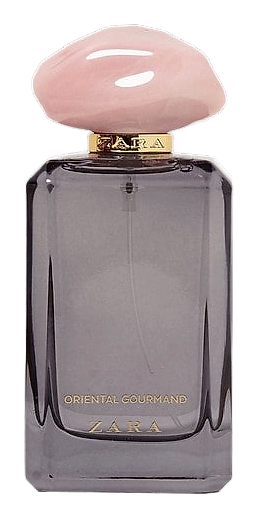
Oriental Gourmand arrived in 2017. Peach and orchid aren't new, but the way Zara's formulation leans into powder makes the combination feel renewed. The peach opens with a ripe, soft sweetness that avoids any sharpness. It's the kind of fruit note that feels familiar but handled with care, not allowed to tip into synthetic territory. The orchid doesn't arrive all at once. It builds quietly beneath the surface, adding texture rather than taking over. Together, these two create a scent that's both comforting and elevated, with the powdery quality giving everything a cohesive, almost tactile finish that lingers in the air around you.
The peach-orchid-musks trio sounds simple. It isn't. What makes Oriental Gourmand work is the lactonic quality Zara drew from the peach, that creamy, almost milk-adjacent sweetness that pushes it away from fresh fruit and toward something more gourmand. Orchid brings a quiet exoticism, a powdery undertone that bridges the bright opening and the skin-warm base. Musk ties it all together, close and intimate. Three notes. One tightrope walk between sweet and soft.
The evolution
The opening hits soft and sweet, peach that's ripe without being sharp. The lactonic quality kicks in quickly, pushing the sweetness toward something creamier. Then the orchid arrives. Not as a statement, but as texture, a powdery warmth that builds quietly beneath the peach. By the time you hit the second hour, the musk has taken over. It doesn't project. It breathes. Holds close to skin and stays there. The drydown is the longest part, quiet and persistent, wrapping the initial fruit and floral notes in a soft, skin-close embrace that continues to reveal itself slowly over time.
Cultural impact
The fragrance struck a chord with those looking for something current and wearable without the exclusivity that often comes with niche perfumery. It offered a different take on the fruity-gourmand genre, leaning into powdery warmth instead of going heavy on the edible sweetness. The scent felt confident in its simplicity, reaching people who wanted style without complications. It translated fashion DNA into something accessible at scale, proving that considered composition doesn't have to come with barriers.