
The Story
Why it exists.
The beginning
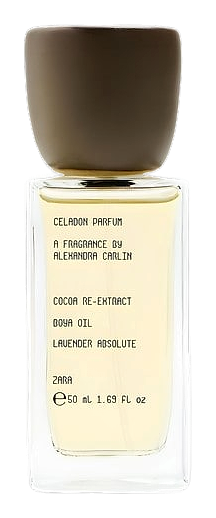
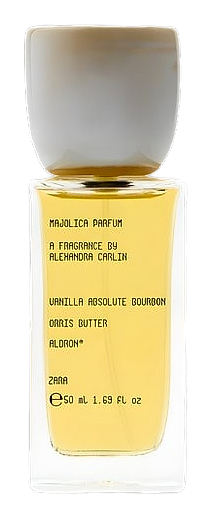
Majolica takes its name from the tin-glazed earthenware that colored Spanish and Italian homes for centuries, the ceramics that turned function into beauty. The Zara collection draws from that heritage, translating the warmth of glazed pottery into scent. Perfumer Alexandra Carlin built the composition around a simple tension: sweet can be interesting. Almond and ginger open warm and bright, a floral heart plays between brightness and softness, and the base holds like ceramic retaining the day's heat. The 2024 release doesn't try to smell like pottery, it tries to feel like it.
The combination of almond and ginger is where the craft lives. Almond tends soft, creamy, almost edible. Ginger tends sharp, fresh, clean-spiced. In most compositions, they'd fight. Here, the floral heart does the work of reconciliation, jasmine and orange blossom bring a greenish brightness that bridges the warmth below and the spice above. Bourbon vanilla absolute adds depth that simple sweet notes can't, it's warm without being heavy, powdery without being dusty. The amber underneath holds everything together like the glaze that gives majolica its name.
The evolution
The opening arrives creamy and warm, almond milk, not almond oil. The ginger threads through immediately, a clean heat that keeps the sweetness from flattening. Twenty minutes in, the floral heart emerges: jasmine and orange blossom, brighter than expected, bringing a greenish freshness that lifts the composition. The warmth doesn't disappear, it deepens. By the hour mark, vanilla and amber take over. The ginger is still there, quieter now, a spine of spice running through warm cream. On skin, it settles close and intimate, moderate sillage, the kind that requires someone to lean in. The drydown lasts through the workday, powdery and velvety, vanilla and amber holding long after the ginger fades.
Cultural impact
The edible perfume trend draws from ancient perfumery traditions where spices and food notes held ceremonial weight. Almond and ginger together reference Mediterranean and Asian culinary cultures that prized these ingredients for both their aroma and healing properties. This fragrance bridges those worlds, appealing to modern consumers who want their scent to feel intimate and personal rather than distant or purely decorative. It also speaks to the current appetite for gender-neutral fragrances that reject old marketing categories.