The Story
Why it exists.
The beginning
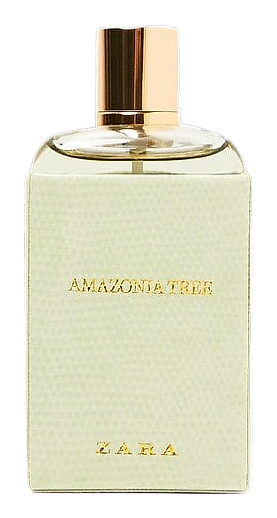
Amazonia Tree arrived in 2018 as part of Zara's seasonal fragrance collection, named for the world's largest tropical rainforest. The reference is atmospheric rather than literal, this isn't a jungle march. It's the idea of the Amazon: humidity, density, green things growing in warm air. One reviewer called it 'a tropical summer flower born in winter,' which captures something true about its character. Released in the colder months, it reads like a memory of heat.
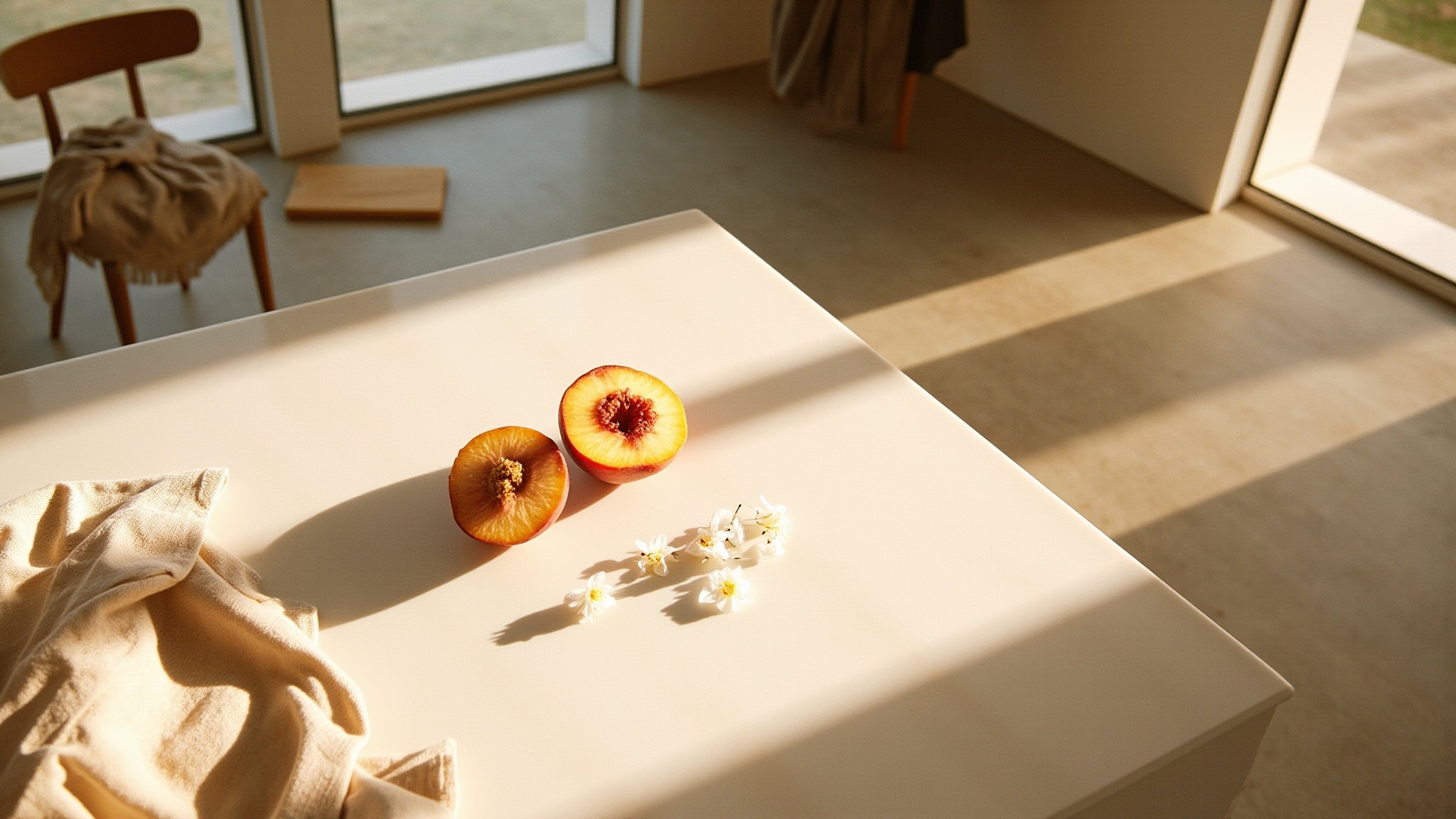
What makes Amazonia Tree interesting isn't complexity, it's restraint. Three notes: peach, jasmine, sandalwood. Nothing extra. Peach gives the opening its fruity lift, jasmine the floral heart that keeps it from reading like just a skin scent, sandalwood the warm base that lets the other two linger. The composition is minimal by design. Zara chose three materials that do different things and let them work together without adding a bridge note or a counterpoint. That's harder than it sounds.
The evolution
The peach opens bright and immediate, the smell of a fruit that's fully ripe, not yet soft. There's no hesitation here. Within minutes the jasmine arrives, warmer and slightly indolic in a way that makes the whole thing feel more human, less like a fruit bowl. The sandalwood doesn't rush. It settles in last, close to the skin, adding a creaminess that rounds the edges of both. By hour three the whole thing has softened into something quiet and powdery, the jasmine and sandalwood indistinguishable from each other, the peach a memory.
Cultural impact
Amazonia Tree doesn't pretend to be a luxury composition, it's a wearable fruity-floral made for everyday use, and it succeeds on those terms. The straightforward structure gives it clarity and purpose, making it an approachable choice for those new to fragrance or seeking a reliable daily scent. Its simplicity is its strength, offering a clean and honest olfactory experience that prioritizes wearability over complexity.