
The Story
Why it exists.
The beginning
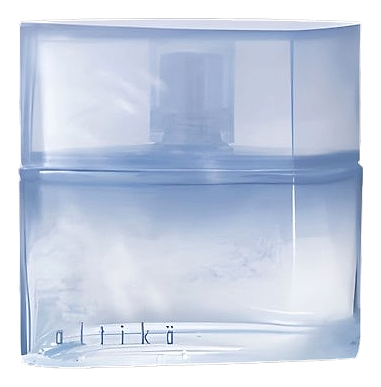
Altika arrived in 2006 from Annick Ménardo, the nose behind some of perfumery's most interesting compositions. The brief was simple on paper: bottle mountain air. Not the floral sweetness of a meadow, not the earthiness of a forest floor, the specific clarity of wind at altitude, thin and sharp and almost electric. Ménardo reached for ozone to create that charged, open quality, paired it with the cold bite of mint, and grounded everything in cedar. The result is a fragrance that smells like altitude itself.
What makes Altika unusual is the austerity of its pyramid. Ozone, mint, and cedar form its structure, each arriving to announce itself clearly before making room for the next. It's a confidence move. No top-heart-base blending into soft focus. Instead, each phase arrives and announces itself clearly before making room for the next. The mint doesn't dissolve into sweetness; it stays sharp, almost medicinal in its coolness before the cedar arrives to add weight and warmth. It's a composition that respects the wearer enough to let them feel the structure.
The evolution
The ozone hits first, a bright, slightly metallic crackle that reads as cold rather than sweet. Within minutes, the mint arrives like stepping into shade after bright snow. Not sweet or herbaceous, but cold and clean, the kind of freshness that makes you inhale deeper. The cedar takes longer to emerge, perhaps thirty minutes in, settling in quietly with a dry, woody presence that softens the sharpness without erasing it. By hour three, you're left with a quiet cedar that smells like a ski lodge after everyone's gone, wood, cold air, a memory of freshness. The fragrance stays close and intimate rather than announcing itself.
Cultural impact
For those who found it, Altika became a reliable companion for freshness without announcement. Discontinued in most markets, it lives on in the collections of enthusiasts who refused to let it go. Its restraint sets it apart from typical mainstream offerings, appealing to those who appreciate a quieter approach to fragrance.
The House
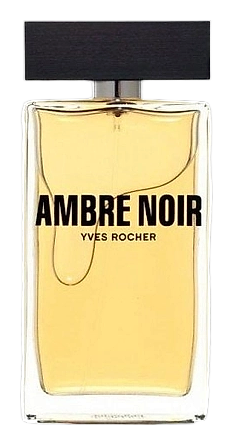
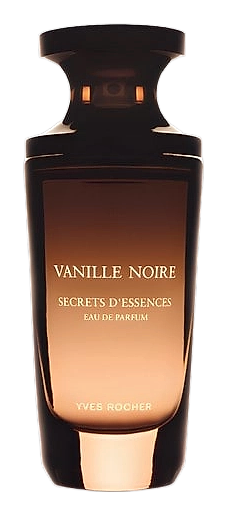
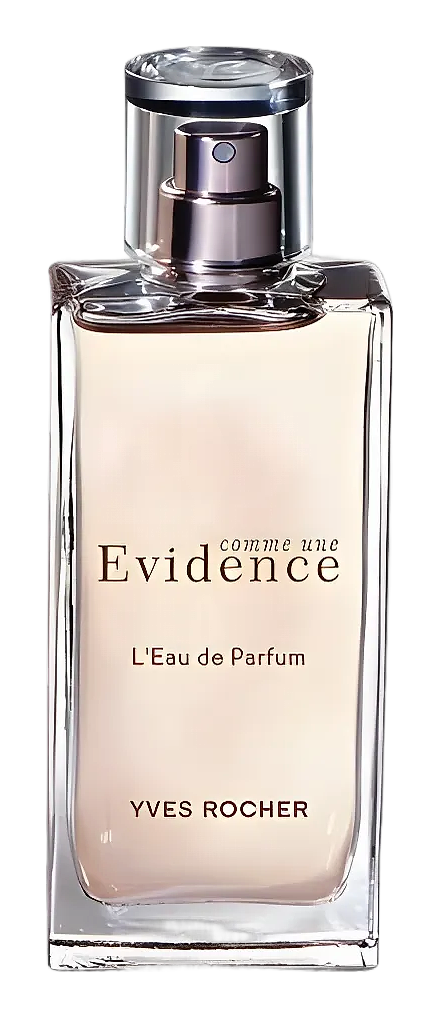
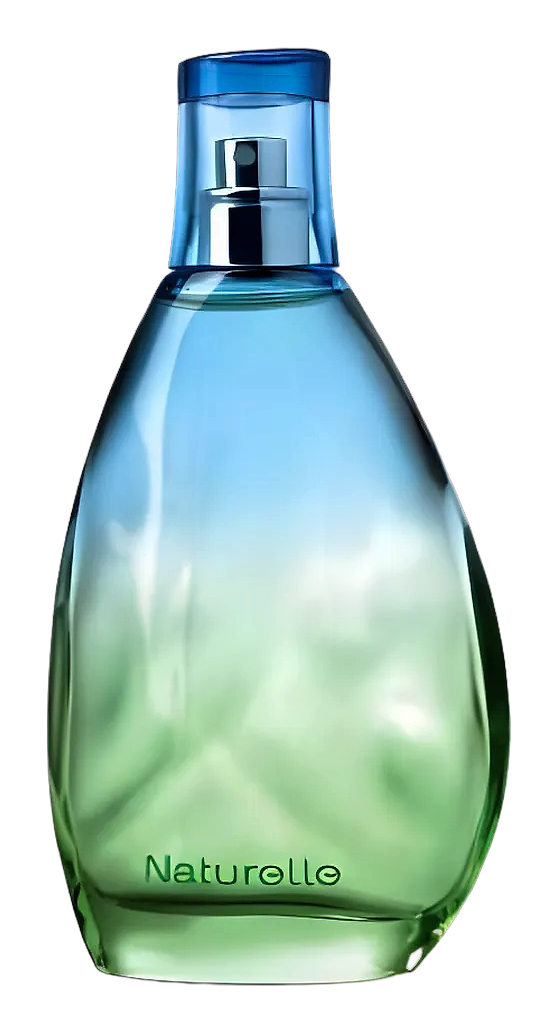
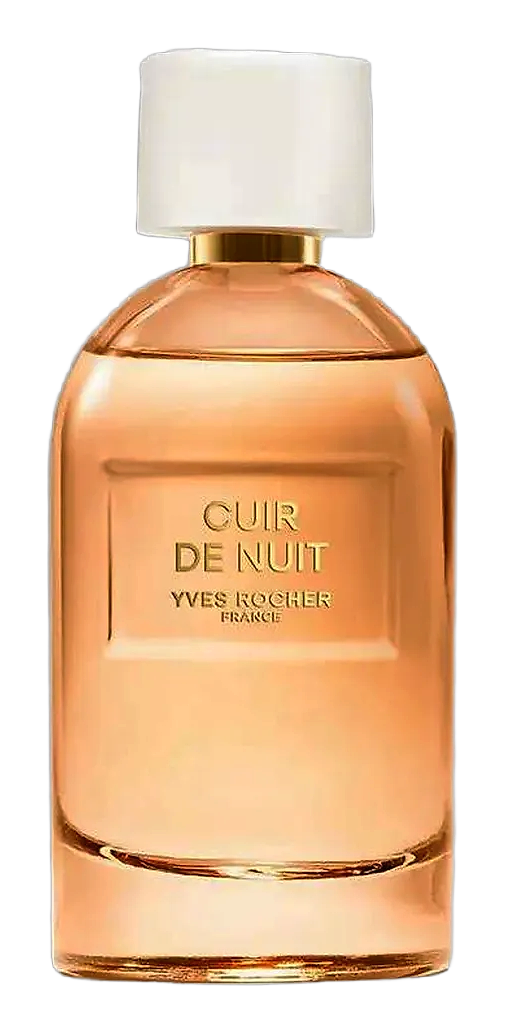
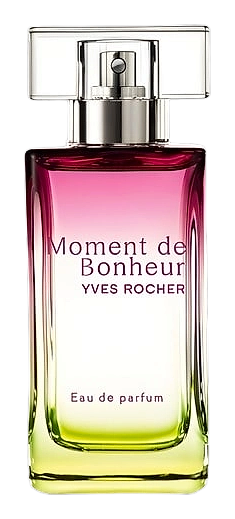
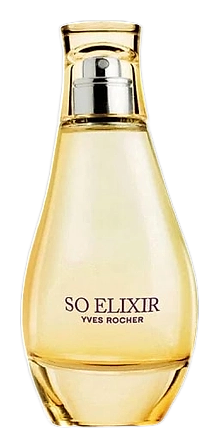
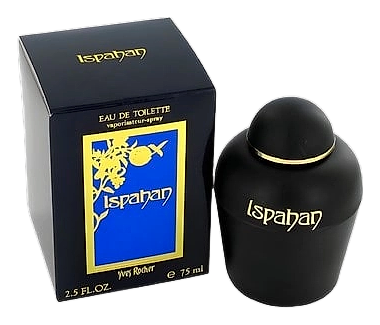
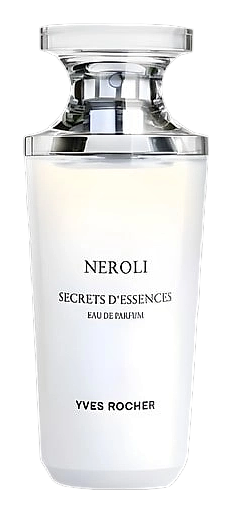
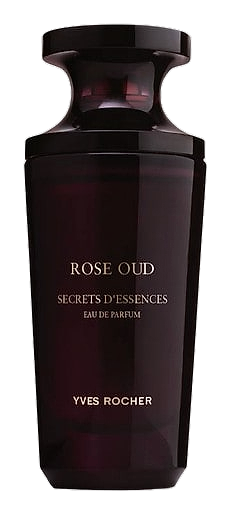
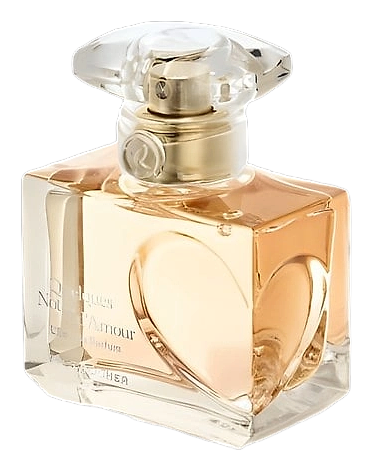
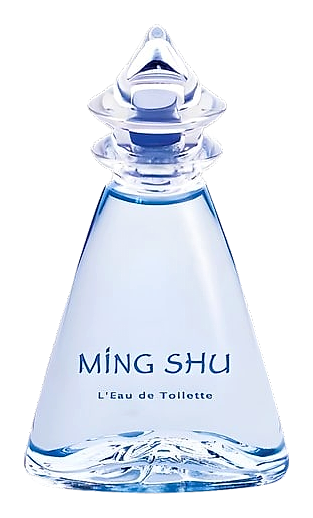
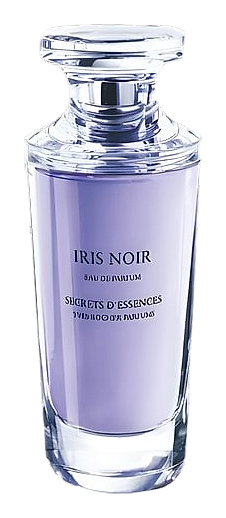
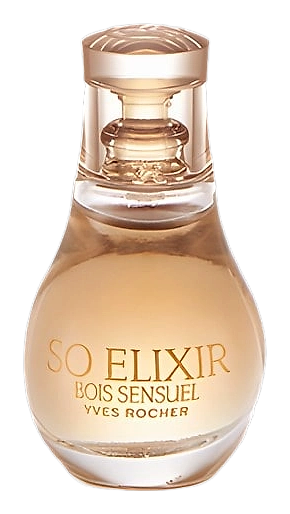
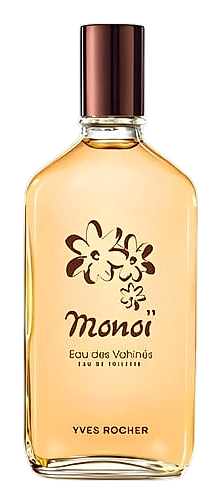
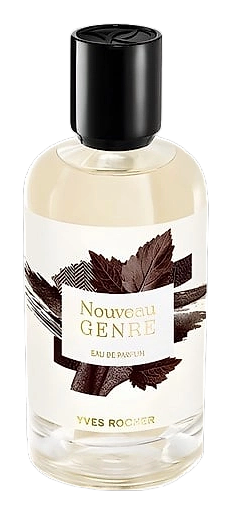
Yves RocherYves Rocher offers a line of fragrances that sits alongside its skin‑care and cosmetics range. The perfume portfolio draws on the brand’s long‑standing commitment to botanical ingredients, presenting scents that echo the gardens of its Breton origin. From the rose‑centric Ispahan Parfum (1977) to the citrus‑bright Telethon 96 Mandarine de Calabre, each fragrance reflects a plant‑focused sensibility while remaining accessible in a global retail network.
The Creator
Annick MénardoDark, smoky, and beautifully resolved. Menardo has built her reputation on bold contrasts: leather against sweetness, wood against air, shadow against light.