The Story
Why it exists.
The beginning
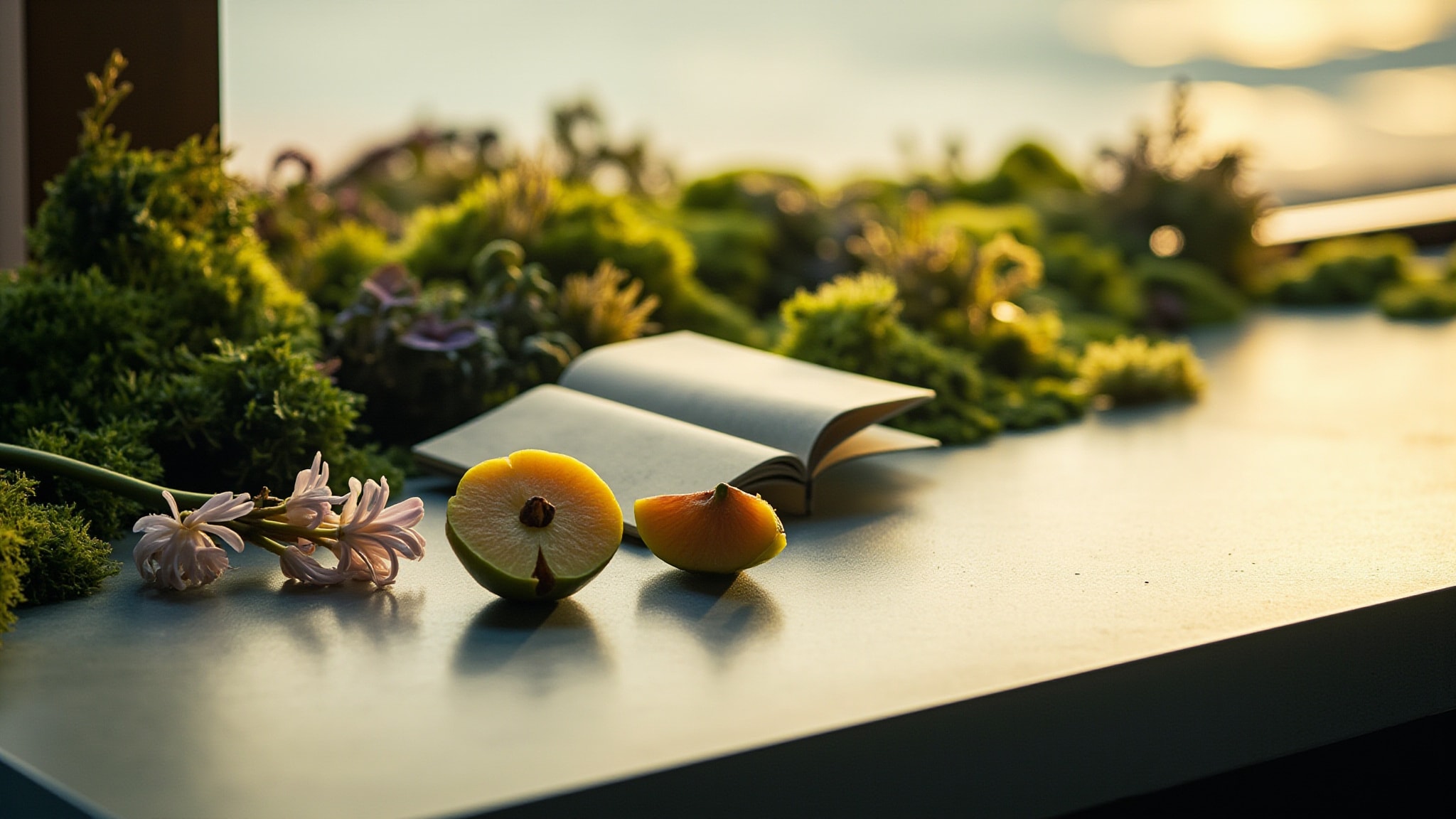
Island Wildflower arrived in 2018 as Laurie Arbuthnot's interpretation of Vancouver Island's coastal gardens and wildflower meadows. The name points to a particular kind of setting: part cultivated garden, part untended edge, where blossoms grow near salt air, wet soil, and stands of poplar. That place informs the composition directly. Hyacinth supplies a cool, powdery floral center, while frangipani adds a creamy tropical radiance. Quince contributes a fruit note, and balsam poplar buds bring green character to the blend. Oakmoss adds a woody, earthy dimension that connects the flowers with a broader sense of the natural world.
The interesting part is the balance between flowers that feel almost airborne and materials rooted firmly in the ground. Hyacinth absolute reads as a distinct floral presence, while frangipani adds fullness and sweetness. Quince introduces a fruit element, giving the soft floral accord another point of contrast. Poplar buds extend the green side of the composition, and oakmoss contributes a deeper woody character. Together, they create a floral accord that doesn't feel entirely detached from its surroundings.
The evolution
The first impression is fresh and green, with hyacinth and poplar buds creating a cool, lightly powdered impression. Quince soon makes the floral side brighter and more tactile, bringing a distinct fruit character to the opening. Frangipani then contributes a fuller, creamier flower quality, balanced by oakmoss. The composition develops through the contrast of these verified notes: cool hyacinth, sweet frangipani, fruity quince, green poplar buds, and earthy oakmoss. Freshness meets floral richness, fruit adds a brighter point of interest, and the woody notes give the blend a grounded finish. Rather than relying on a single defining gesture, Island Wildflower changes through the interplay of its floral, fruity, green, and woody elements, with each note making its presence felt within the whole.
Cultural impact
Island Wildflower connects Wild Coast Perfumery's place-oriented naming with the landscapes of Vancouver Island. Its inspiration comes from the island's coastal gardens and wildflowers, bringing together floral, fruit, green, and woody notes associated with that setting. Laurie Arbuthnot's roles as perfumer and creative guidance add a human dimension to the fragrance, while the composition itself offers a sensory way to explore the meeting point between cultivated gardens and more untended natural spaces. Hyacinth and frangipani establish the floral focus; quince adds fruit; balsam poplar buds and oakmoss bring green and woody depth.
The House
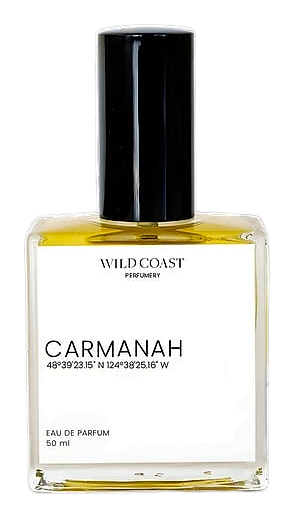
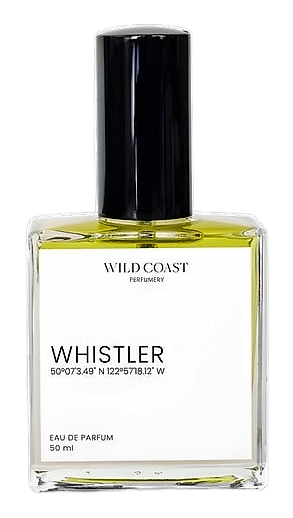
Wild Coast PerfumeryWild Coast Perfumery lives on Vancouver Island, where the Pacific rain‑forest meets the sea. Since 2017 the studio has turned British Columbia’s wild places into scent stories that arrive in modest, glass bottles. Each fragrance carries a geographic name—Tofino, Carmanah, Whistler, Sunshine Coast, Island Wildflower, Saltspring, Abkhazi, Saturna—so the wearer can recall a specific shoreline, mountain or meadow. The brand relies on plant‑based ingredients, hand‑blending, and a patient aging process that lets natural aromatics settle before bottling. The result is a line of scents that feel rooted in the region’s ecology rather than in a laboratory.
The Creator
Laurie ArbuthnotArbuthnot works with natural botanical materials, building compositions that feel textural, green and quietly distinctive. Her signature lies in evocation rather than decoration: a perfume can capture a coastline, a forest floor or a remembered afternoon through carefully chos…