The Story
Why it exists.
The beginning
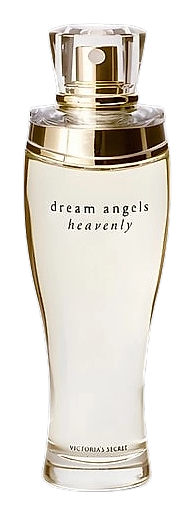
Heavenly in Paradise arrived in 2013 from Victoria's Secret with something to say. The sensuality here is quieter, almost nostalgic. The name alone suggests escape, a place where things are simple and pleasurable. Heavenly in Paradise opens with bright citrus, but the real story unfolds as the fragrance settles. There's a softness that develops, a creaminess that tempers the initial sparkle without losing it entirely. The vanilla arrives gently, weaving through the composition rather than announcing itself. It's that tension between brightness and warmth, held in careful balance. The overall effect is an airiness that feels both comforting and elevated, a scent that whispers rather than shouts.
What makes this composition interesting is not its complexity, it's lean, almost minimal by Victoria's Secret standards, but its structural logic. Tangerine opens the fragrance with a tartness that borders on green, almost the scent of the peel itself rather than the juice. Into that brightness comes the heart: vanilla and ice cream, not as separate notes but as a unified concept, the cold sweetness of something frozen meeting the warm comfort of vanilla. The olive wood base is the surprise move. Not amber, not musk, not the usual warm anchors. Olive wood brings a dry, slightly mineral quality that keeps the entire composition from tipping into pure dessert territory.
The evolution
The opening offers a burst of tart citrus, bright and insistent, before the composition begins to soften. The heart of the fragrance unfolds gradually, not a sudden shift but a slow evolution, like ice cream beginning to melt. The vanilla doesn't dominate the composition, it tempers and balances. What's compelling is the way the drydown develops: warm, almost smoky wood surfaces without announcing itself, settling beneath the sweeter notes like wood left in Mediterranean sun. It doesn't fight the vanilla. Instead it supports it, pulling the sweetness toward something earthier and more grounded. The result is a quiet vanilla warmth with a dry wood base that lingers close to the skin. On fabric, the fragrance has a tendency to stay until the next wash cycle, which, honestly, is part of the appeal.
Cultural impact
Heavenly in Paradise combines everyday sweetness with an unexpectedly sophisticated dry-down. The fragrance brings together accessible notes, bright citrus, soft cream, warm vanilla, with a dry wood base that adds unexpected depth. This combination creates something that feels elevated without becoming inaccessible. The warm vanilla character provides comfort and familiarity, while the woody undertones offer a counterpoint that keeps the scent from feeling one-note. It's the kind of fragrance that invites reapplication, that becomes a quiet signature rather than a bold statement.
The House
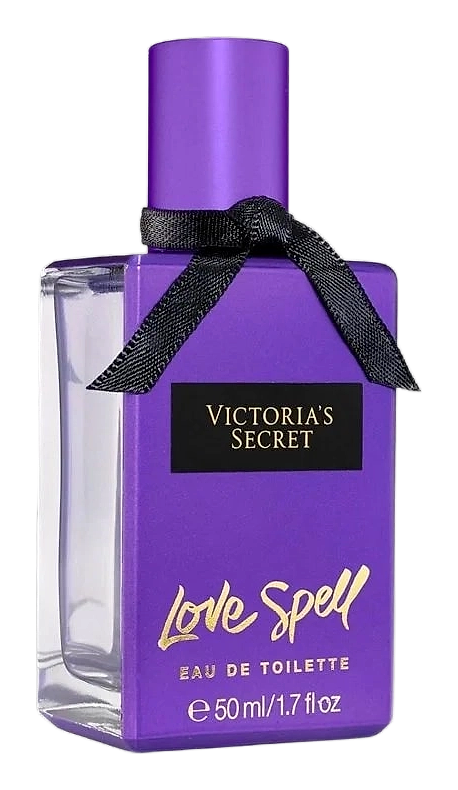
Victoria's SecretVictoria's Secret began as a San Francisco lingerie company founded in 1977 by Stanford graduate student Roy Raymond and his wife Gaye. The brand entered fragrance in 1989, launching its first perfume Victoria as part of a national magazine campaign. By the early 1990s, the company had grown to 350 stores nationwide with estimated sales of $1 billion. The beauty division grew substantially enough to generate nearly $1 billion in sales by 2006. Victoria's Secret fragrances are developed through Givaudan's Paris laboratory, the same fragrance house behind perfumes for Tom Ford, Prada, and Louis Vuitton. The brand works with a rotating roster of over 30 perfumers rather than a single in-house nose, creating scents for its Dream Angels, Very Sexy, Body, and Pink collections. Popular fragrances include Bombshell, Love Spell, Tease, and Heavenly, which ranked as the top-selling fragrance in the United States by both revenue and volume from 2005 to 2010. Victoria's Secret has won 20 Fragrance Foundation awards since 2001. The company offers fragrances alongside perfumed body care products including body mists, body lotions, and eau de parfum in various formats.
The Creator
Olivia GiacobettiOlivia Giacobetti built her reputation on transparency, refinement, and a willingness to pursue notes others overlooked. Her most celebrated achievement remains popularizing fig in contemporary perfumery, beginning with Premier Figuier in 1994 and culminating in Philosykos in…