The Story
Why it exists.
The beginning
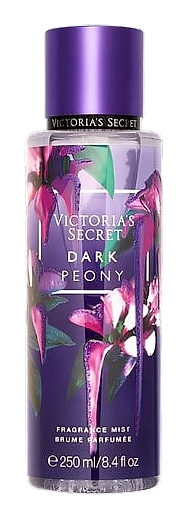
Dark Peony entered Victoria's Secret's Midnight Blooms collection in 2020, part of a lineup that treated romantic florals as something worth complicating. The brief was deceptively simple: take the peony, usually associated with brightness, with a kind of girlish charm, and push it somewhere more textured. The goal wasn't to abandon the flower's appeal. It was to give it somewhere to rest. Musk does that. It doesn't compete with the flower. It supports it, creating a base that feels less like a garden and more like skin. Two notes, working in quiet conversation.
Peony has a reputation problem. It's often deployed as shorthand for 'feminine' in the bluntest possible sense, sweet, bright, uncomplicated. Dark Peony pushes back against that. Wild Peony meets Musk in a composition that feels less like a vase and more like a conversation. The musk doesn't drown the flower. It wraps around it, adding warmth without sweetness, depth without heaviness. The result is a fragrance that manages to be both intimate and present, present without overwhelming, intimate without disappearing. It's a narrow line to walk, but the best two-note compositions always are.
The evolution
Clean and lifted. That's how Dark Peony arrives. Peony opens with that characteristic petal-soft quality, but there's no sweetness overload here. The flower steps forward with confidence but without volume. For the next hour, the composition settles. The musk doesn't surge in, it rises slowly, warming the florals from underneath, adding cream without sugar. By the second hour, you're in the drydown. The peony has softened to something powdery and close. The musk lingers like a warm trace against skin. Four to six hours total. Not a projector. A companion.
Cultural impact
Dark Peony arrived in 2020 during a pivotal shift for Victoria's Secret, which was actively redefining its brand identity after years of controversy. The Midnight Blooms collection represented an intentional move away from overt sexuality toward a more nuanced, modern expression of femininity through scent. Peony as a note had been gaining traction in Western perfumery after dominating East Asian fragrance culture for decades. Dark Peony's restrained approach positioned it as an accessible entry point for consumers curious about peony but wary of saccharine floral interpretations. The fragrance also arrived during a broader cultural pivot toward intimate, close-to-skin scents, contradicting the earlier decade's preference for projecting, room-announcing perfumes.