
The Story
Why it exists.
The beginning
The name carries English woodland in its bones, Hyacinthoides non-scripta, the bluebell that carpets ancient forests each spring. But Gothic Bluebell takes that pastoral image and bends it. The bluebell in English folklore is a fairy flower, said to ring to summon them, marking places where magic bleeds into the mundane. That duality, beautiful and unsettling, lives in the composition itself. Hyacinth brings the density of a flower in full, riotous bloom. Violet leaf cuts through with something cooler, greener, more ambiguous. The result isn't a love letter to the English countryside. It's what that countryside becomes in late autumn, when the tourists have gone and the woods remember what they were before.
The heart notes are where Gothic Bluebell earns its strangeness. Narcissus and oak don't perform the way you'd expect, they're not sweet or creamy. Instead, they deepen the green into something almost resinous, almost medicinal. Bellflower adds a faint, waxy quality that some have compared to camphor or even rubber. These aren't comfortable associations. They're the smell of flowers that have been pressed in old books, preserved but no longer alive. Ivy ties everything back to the forest floor, earthy and persistent, the green that outlasts the bloom. It's a composition that refuses to be purely beautiful, it wants to be true, which is a different thing entirely.
The evolution
The opening hits with immediate, almost aggressive intensity. Hyacinth in volume, dense, almost syrupy, with a green bite underneath that makes it feel alive rather than sweet. This phase lasts a good thirty minutes, the fragrance asserting itself before it begins to shift. The heart introduces the oak and narcissus, which cool the temperature slightly but add weight rather than airiness. Violet leaf appears in waves, keeping things grounded in green throughout. By the third hour, the drydown settles into something quieter but no less present, the woody base persists, with a faint animalic warmth that lingers close to the skin. Eight to ten hours on most skin, fading slowly rather than disappearing. The next morning, there's a ghost of green and something almost smoky on fabric.
Cultural impact
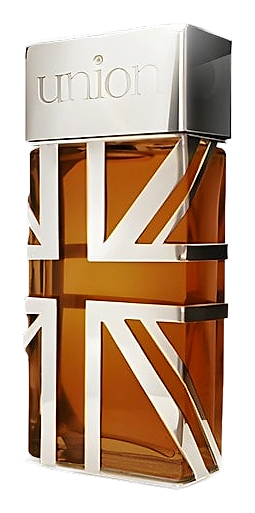
Gothic Bluebell occupies a specific corner of the niche fragrance world, the kind of scent that generates strong reactions precisely because it refuses to be safe. Independent fragrance collectors who seek out Union tend to value exactly this: compositions that challenge rather than comfort. The fragrance's longevity ratings consistently outpace its sillage scores, suggesting it rewards close wearing rather than projection, the mark of something personal rather than performative.