The Story
Why it exists.
The beginning
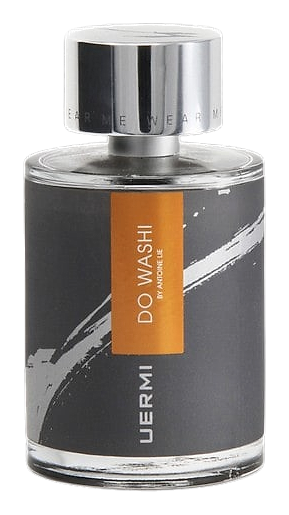
DO ± Washi takes its name from washi, traditional Japanese paper, handmade from bark fibers. The reference isn't accidental. Washi is both delicate and durable, possessing a tensile strength that belies its fragile appearance. That tension between softness and structure informed the brief that Antoine Lie received in 2015. The goal was a fragrance that felt clean and intimate, but with an elevated quality that elevated it beyond the ordinary floral.
What makes DO ± Washi distinctive is the use of IsoESuper in the opening. This synthetic aromatic chemical doesn't try to replicate nature, it improves on it. The lilac and peony arrive with a brilliance that botanical extracts alone can't sustain. It's a technical decision, but one that shapes the entire character of the scent. The florals don't just smell good. They glow.
The evolution
The opening is a lactonic surprise, milk arriving warm and clean, carrying the lilac and peony on its surface. The IsoESuper is the tell, lending those florals an otherworldly shimmer that reads as clean but not quite natural. It works. About thirty minutes in, the milk deepens. Tonka enters with its sweet, powdery warmth, and cashmeran adds a velvety softness that holds everything together. The drydown is musky and intimate, the kind that stays close to the skin for four to six hours, refusing to fill a room but refusing to disappear entirely.
Cultural impact
Scent: fresh florals with a synthetic lift. The composition reads as clean, lactonic, and powdery, a deliberately modern take on florals that prioritizes wearability over naturals. UERMI's Italian alpine precision meets the Japanese paper reference in the name, creating an unexpected cultural intersection.