The Story
Why it exists.
The beginning
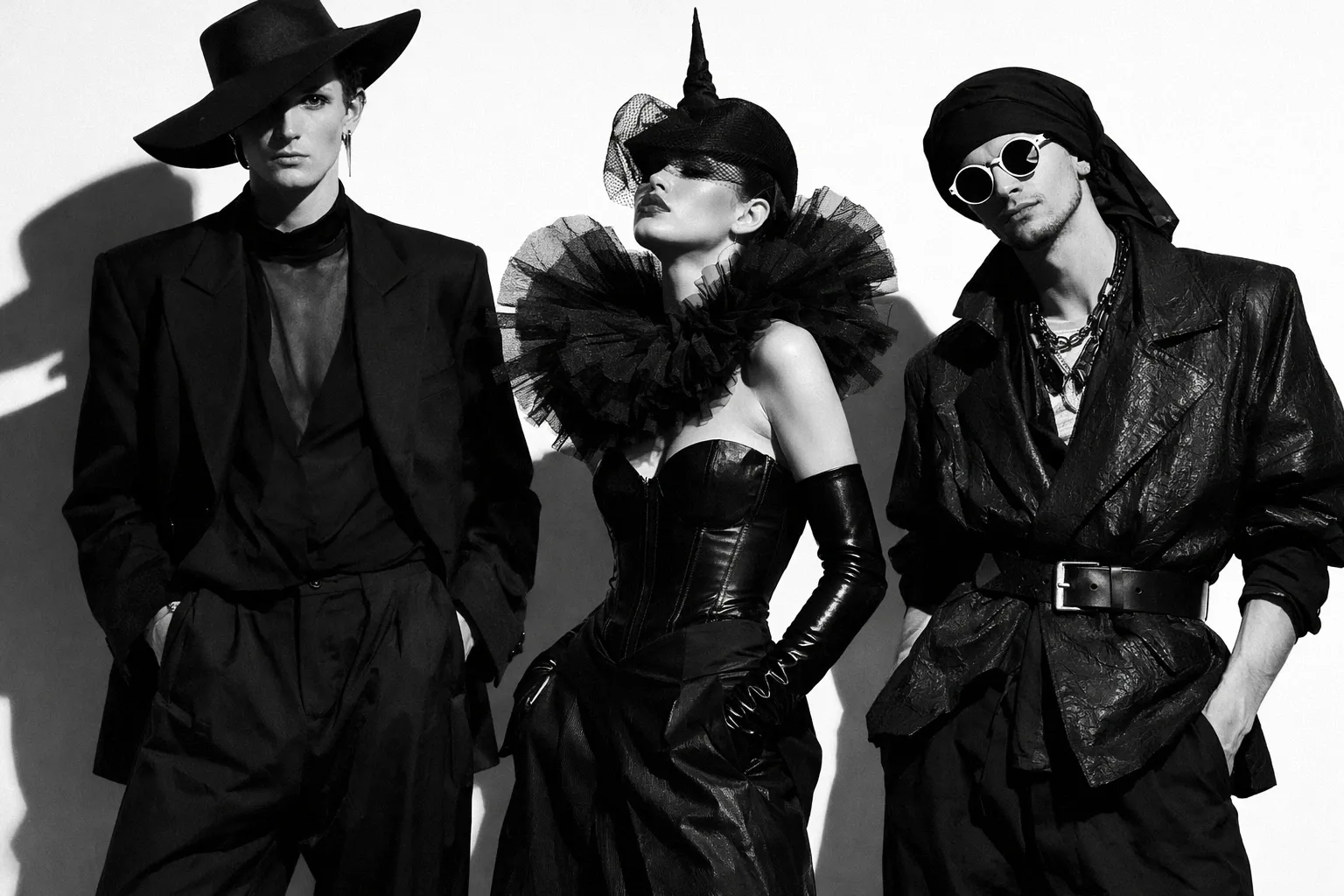
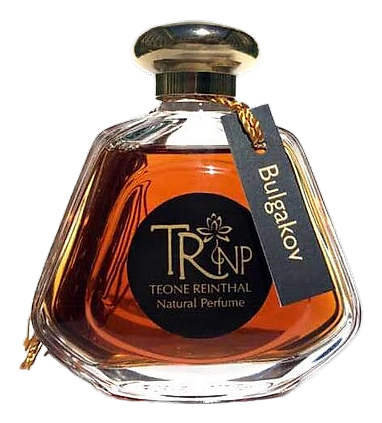
The Master and Margarita is one of the strangest novels ever committed to paper, a devil in Stalinist Moscow, a writer haunted by his own creation, a woman who burns the world down for love. Teone Reinthal didn't adapt the plot. He translated its atmosphere into scent. The homely anise and lemon of the opening recall the gloom and struggle that defined a generation of Russian writers, that sense of working against the grain, of creating something beautiful in the darkest of circumstances. But as the fragrance evolves, it pulls back the curtain into something grander and stranger, plush velvet curtains that sweep across a stage, secrets revealed, the weight of privilege and consequence long faded. Bulgakov the perfume doesn't explain itself.
The fragrance doesn't simply vanish, it surrenders gradually, each layer dissolving into the next over an extended period. Anise and lemon give way to jasmine and damask rose, which give way to oakmoss and labdanum, and the whole composition feels less like a sequence of phases than a single continuous breath. The jasmine arrives with a quiet sweetness that tempers the initial sharpness, while the damask rose adds a velvety depth that enriches the transition.
The evolution
The opening hits like cold air on warm skin, anisic, medicinal, almost jarring in its clarity. Lemon adds a brief brightness before both recede, and what replaces them feels like it belongs to a different fragrance entirely. The heart is soft. Iris powder. Jasmine that blooms rather than indoles. A quiet damask rose that whispers instead of shouts. Three hours in, the drydown arrives, not a dramatic shift but a deepening, moss and patchouli settling into the composition like footnotes appearing in the margins of a beloved book. Eight to ten hours later, the oakmoss and labdanum linger on skin and fabric alike, faintly animalic, impossible to ignore. You didn't choose Bulgakov. Bulgakov chose you.
Cultural impact
Bulgakov references Soviet-era literature without retreating into costume or pastiche. The fragrance captures the atmosphere of an era known for its darkness and its defiance, translating literary tension into olfactory form. Its structure rewards attention rather than instant gratification, revealing layers that unfold over time. The composition appeals to those who appreciate depth and nuance in their scents, who want a fragrance that asks something of the wearer rather than simply announcing itself.