
The Story
Why it exists.
The beginning
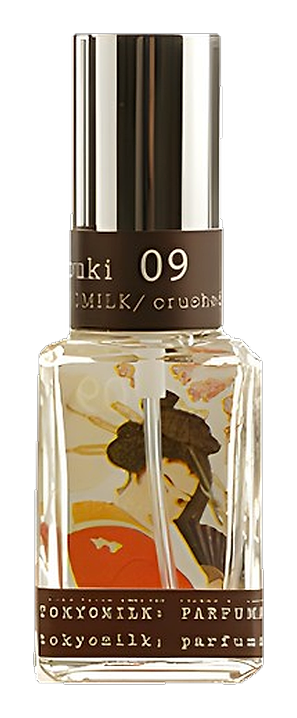
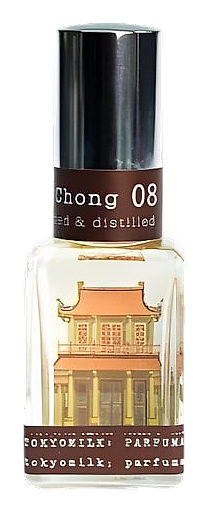
Lapsang Souchong is a Chinese black tea from the Wuyi Mountains, traditionally smoked over pine, bold, brooding, unmistakable. The name carries weight. Blackcurrant leads here, giving a dry-fruity, tannin-like sweetness without a single whiff of incense. The Asuka rose hovers subtly in the composition, adding a quiet floral presence without dominating. Oakmoss and sandalwood keep things grounded. Forest floor at dusk. Not a tea reference. A mood. There is earthiness throughout, deep and resonant, rooted in the dry-fruity character of the blackcurrant and the ancient, mossy quality of the base. The Asuka rose was meant to soften the edges, not bloom fully, just hover.
Lapsang Su Chong smells nothing like smoked tea. Blackcurrant brings a dry, wine-like tartness that mimics tannin without fire. The Asuka rose arrives without announcement, present but restrained, never fully declaring itself. What holds the composition together is oakmoss: the backbone of every great chypre, the thing that makes skin smell like earth rather than fruit. Sandalwood enters late, adding warmth where the opening was cool. The whole thing stays close to the body, dry rather than sweet, earthy rather than floral, with a quiet persistence that endures throughout the wear.
The evolution
Blackcurrant and oakmoss arrive together, moving in parallel rather than taking turns. The dry-fruity tartness of the top doesn't give way so much as deepen. The Asuka rose lingers in the middle, not blooming, not retreating, just present. By the drydown, sandalwood has joined the moss in a quiet warmth that stays close to skin for hours. What you get at hour six is essentially what you got at the start, just softer. The oakmoss lingers close, and on fabric it stays until the next wash. The consistency of the fragrance means the dry-fruity quality remains present throughout, never fully surrendering to the woody base but rather weaving into it, creating a continuous thread from opening to final fade.
Cultural impact
The numbered Tokyo Milk catalog reads like a collector's curiosity cabinet, with evocative names that invite exploration. Lapsang Su Chong fits the house philosophy: named for something bold, made into something quieter. It found its audience among those who read the name and trust the nose, drawn to its distinctive approach of grounding familiar references in unexpected territory. The collection rewards those who engage with it on its own terms, finding pleasure in the gap between expectation and experience.