The Story
Why it exists.
The beginning
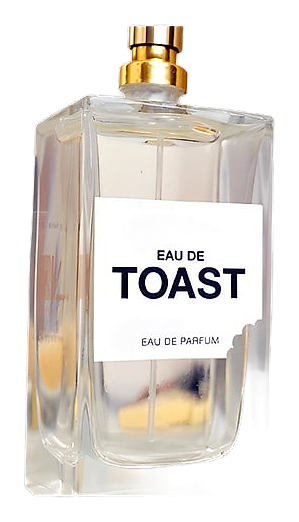
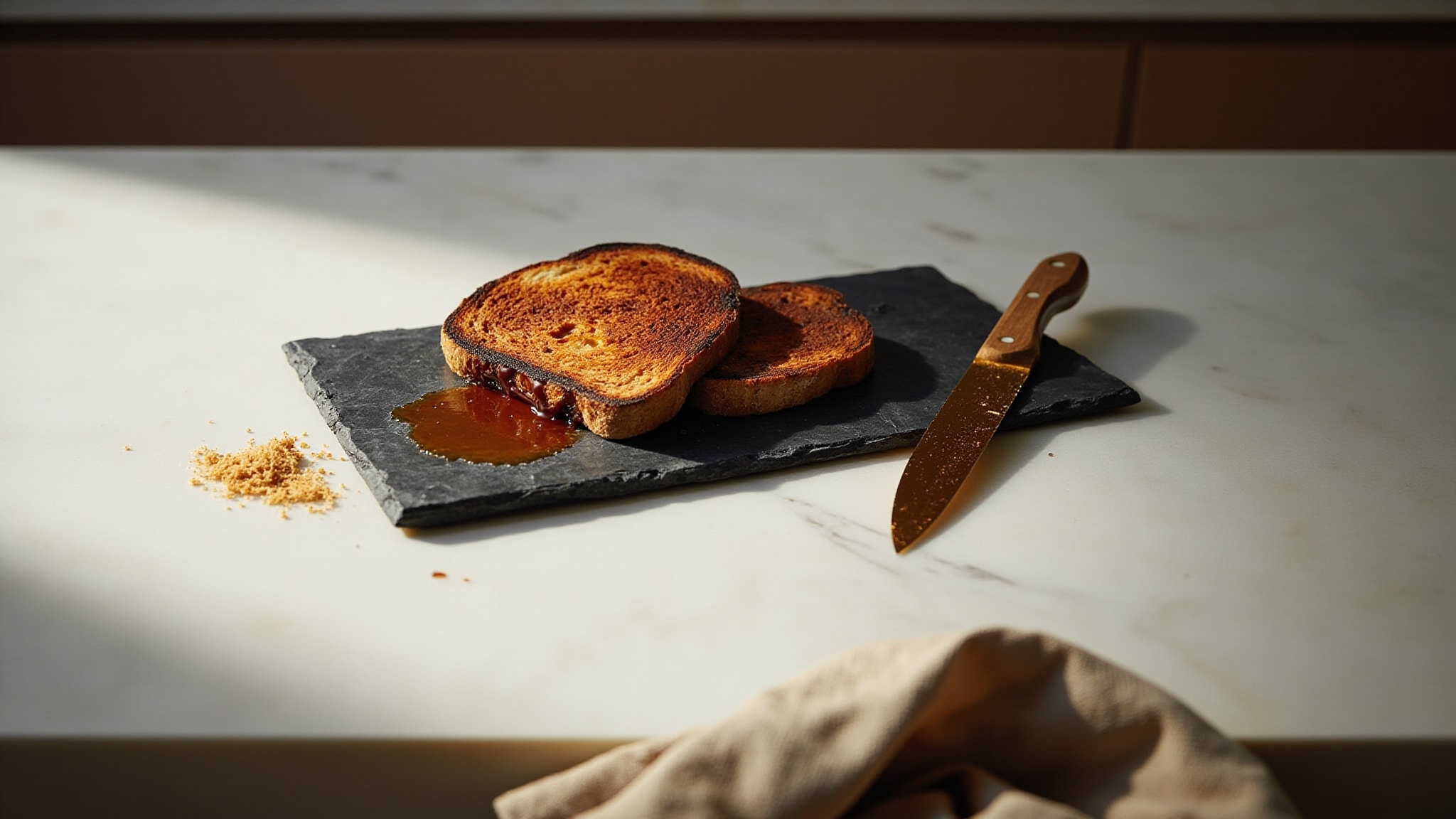
A loaf of bread has no business becoming a fragrance. The Federation of Bakers disagreed. The house released Eau De Toast, a fragrance built around yeast, caramel, and the warm complexity of toasted grain. No flowers. No oud. Just the smell that follows you out of a good bakery on a cold morning, translated into something you can wear on skin. The brand commissioned The Aroma Company to develop the formula, using yeast top notes layered with caramel and malty undertones. The result was sent to models at London Fashion Week. The samples were a hit. A perfume was born from something most people eat before they finish getting dressed. The concept started as something playful, and the warmth of it won people over.
Eau De Toast skips the usual gourmand playbook. There is no vanilla sweetness, no chocolate indulgence, no fruit gloss. Instead, the structure rests on the simple chemistry of baking itself. Yeast ferments. Heat caramelizes. The perfume bottles both, catching the moment when raw dough becomes something golden and complex. The wheat accord runs dry and grainy through every phase, the kind of note that keeps sweetness honest and prevents the whole composition from tipping into pure confection. There is no floral heart. There is no woody base. The traditional pyramid simply does not apply here.
The evolution
The spray hits with immediate warmth, almost savory. Yeast and caramel arrive together, the way they do in bakery air. The opening carries density, a slight smokiness, the richness of something baked long and slow rather than a quick slice from a toaster. As the minutes pass, the sharper yeasty edge gives way to softer layers. What replaces it is a thick, chewy wheat note, golden and a little nutty, the kind of grain impression you get from a sourdough crust. The caramel settles into something deeper, less sugar and more burnt sugar, the kind that forms on the corner of a pan. Eventually, the fragrance quiets but doesn't fade. It clings close to skin, projecting only when you move. On fabric, the trace remains stubbornly present, surviving an entire workday without complaint. The drydown is more suggestion than statement, a warm ghost rather than a loud echo.
Cultural impact
Eau De Toast earned attention not through prestige but through sheer novelty. Federation of Bakers sent samples to models at London Fashion Week, and the fragrance spread by word of mouth rather than ad spend. It occupies an unusual corner of perfumery, a release that takes the language of the kitchen and treats it as worthy of the same attention as traditional fine fragrance. People who encounter it tend to smile, lean in, and ask what they're smelling. That reaction is the whole point. It's a fragrance that disarms before it impresses, that earns its place through warmth rather than rarity.