The Story
Why it exists.
The beginning
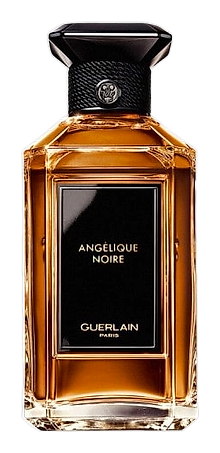
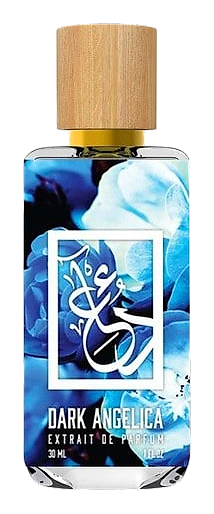
Dark Angelica exists because someone looked at Guerlain's Angelique Noire and asked why it had to cost what it does. The Dua Brand built its catalog on exactly this kind of question, taking compositions that have achieved near-mythic status and rebuilding them for a different audience, one that values the experience over the pedigree. Angelica as a note is polarizing. It's green in an unusual way, root-vegetable rather than leaf, with a musky earthiness that can read medicinal if mishandled. The original Guerlain treated it with reverence, placing it alongside vanilla in a composition that felt almost gothic in its restraint. Dark Angelica follows that template closely enough to earn the comparison, but with enough accessibility baked in to invite wearers who might otherwise steer clear.
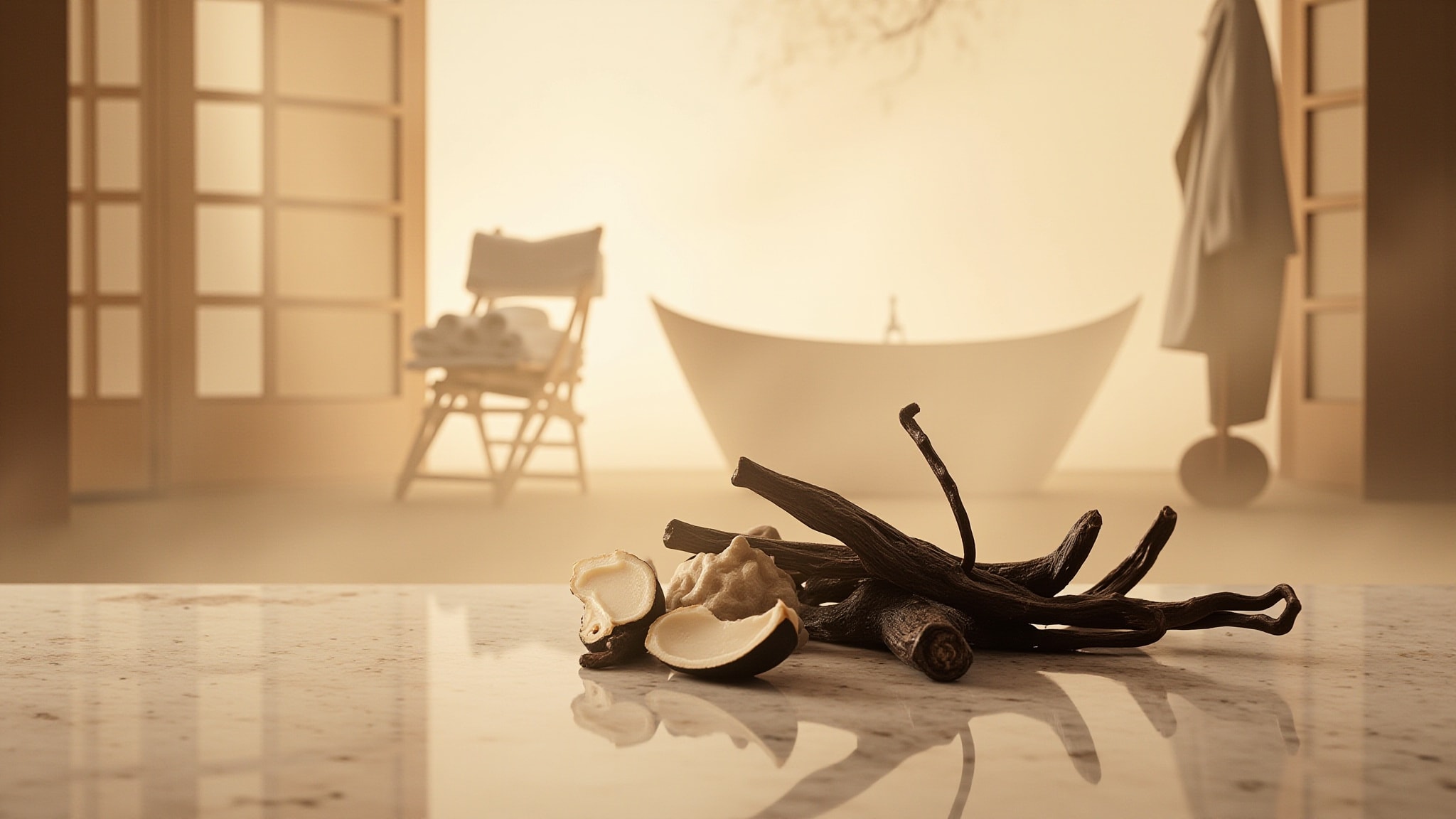
What makes the pairing of angelica and vanilla interesting is the tension it creates. Angelica is cool, almost mineral, the smell of a root pulled from dark soil. Vanilla is warm, almost syrupy. Most compositions let one dominate. Here, they arrive close together and spend the next several hours negotiating territory. The pear and pink pepper that flank them in the opening act as mediators, the pear adding a crisp fruitiness that brightens without sweetening, the pink pepper introducing a faint rosy spice that echoes the carrot-family kinship of caraway.
The evolution
The opening lands green and slightly bitter, the angelica announcing itself without apology. Within minutes the vanilla joins, but it doesn't overwhelm, it tempers. The pear appears briefly, a flicker of brightness that keeps the composition from going too heavy too soon. By the second hour the jasmine emerges, not the heady indolic jasmine of night-blooming flowers but something softer, almost powdery in its sweetness. The caraway arrives quietly, its spice blending into the vanilla rather than cutting against it. What surprises most wearers is how long the angelica stays present. It doesn't vanish after the opening like a top note should. It lingers beneath the sweetness, a grounding thread that runs through the entire wear. The cedar becomes noticeable around hour four, giving the base a warmth that borders on resinous without tipping into incense. By hour six or seven, what's left is a soft, powdery musk, close to the skin, intimate, the kind of scent someone notices only when they're standing near you.
Cultural impact
Dark Angelica occupies an interesting position in the secondary market for niche-inspired fragrances. Guerlain's Angelique Noire has developed a near-mythic status among collectors, a gothic, restrained composition that most people know by reputation rather than by smell. The Dua Brand's version doesn't try to replace the original. It offers an entry point: a way to understand what the fuss is about without the associated cost barrier. Wearers who discover the original later often describe it as Dark Angelica "turned up", the same composition but more insistent, more demanding. That framing says something about what The Dua Brand built here: not a copy, but a translation.