The Story
Why it exists.
The beginning
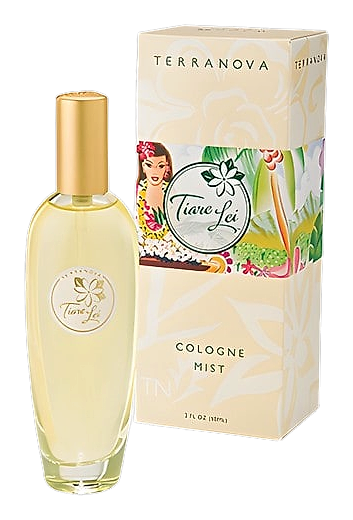
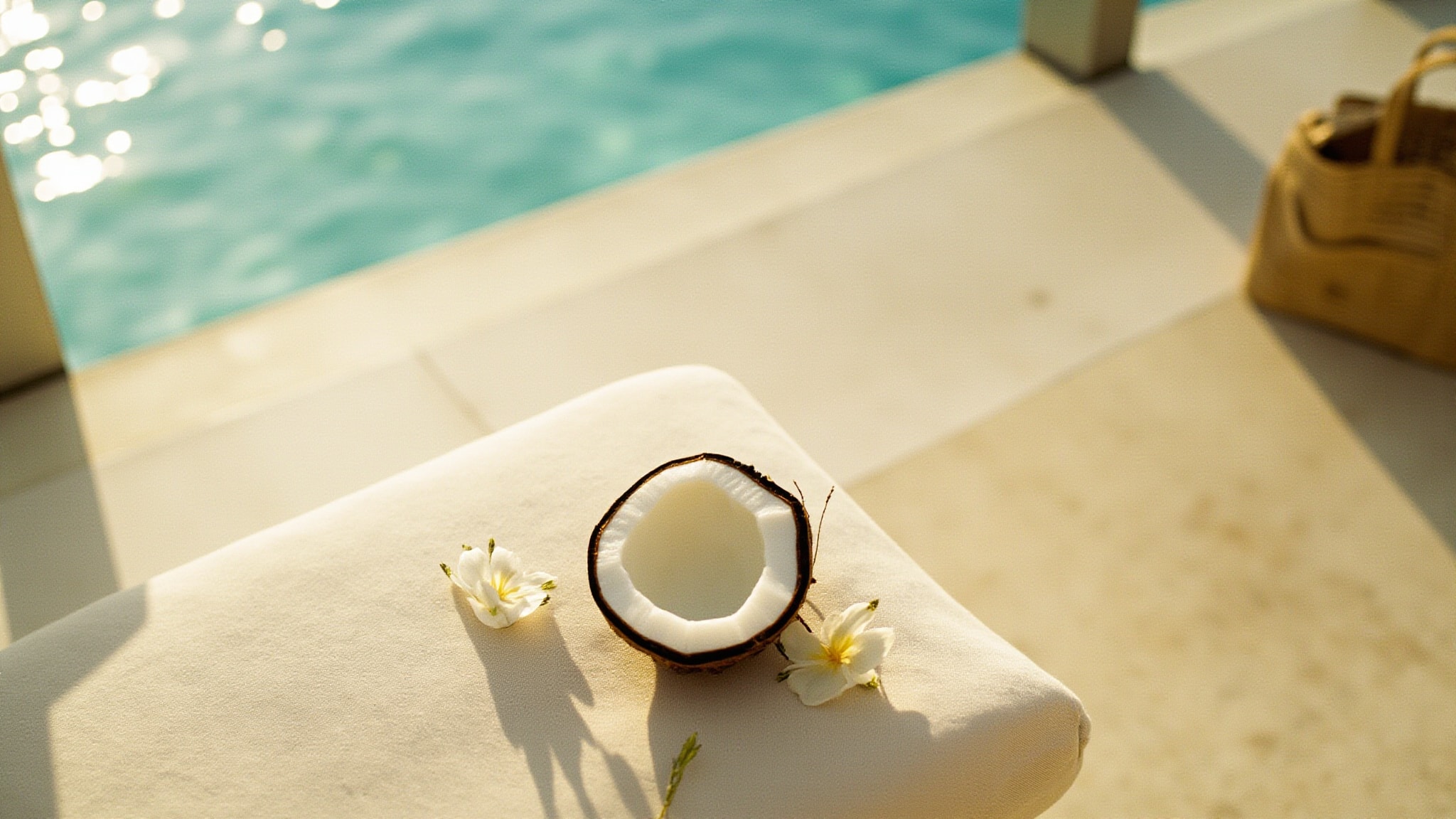
Tiare Lei takes its name from the Polynesian tradition of the flower garland itself. A lei is a gift, a welcome, something placed around the neck of someone who matters, and naming the fragrance after the garland rather than disguising it behind European florals or abstract naming places it squarely in the tradition it draws from. The composition centers on coconut and tiare flower, two ingredients that anchor the entire tropical reading, supported by passion flower, coconut palm, and vanilla orchid through the middle and base. It's a straightforward presentation: what you read on the label is what you smell on skin, which is rare enough in a category prone to elaborate editorial naming and layered mystery.
What makes this composition work is its refusal to be complicated. Coconut and tiare flower anchor the heart, with passion flower adding a waxy, almost grape-like depth, and vanilla orchid rounding the edges. The coconut palm note brings that green, woody, slightly nutty quality of actual palm fronds, not the suntan-lotion sweetness most coconut accords deliver. It reads as botanical, not dessert, which separates it from the gourmand-leaning tropicals crowding the category.
The evolution
The opening is coconut forward, immediate, almost sunscreen-adjacent before it softens. The tiare arrives shortly after, and the composition shifts from simple sweetness into something more floral and waxy. The passion flower adds a quiet green lift through the first hour, keeping the composition from collapsing into pure sugar. The vanilla orchid deepens and the whole thing settles into a skin-warm, lactonic drydown that smells less like a beach and more like the back of your neck after the beach. The wear is respected by enthusiasts for its quiet, personal-space presence rather than room-filling projection, earning a loyal following who return to it season after season. What's left on skin is a faint coconut-vanilla trace, intimate and barely there, like the memory of a scent rather than the scent itself.
Cultural impact
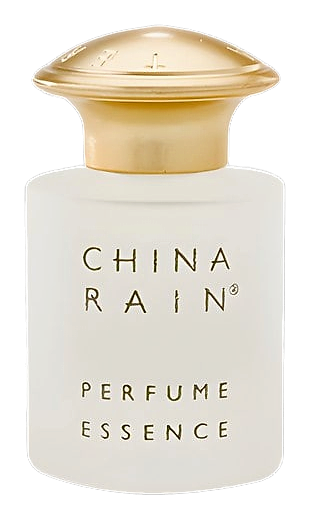
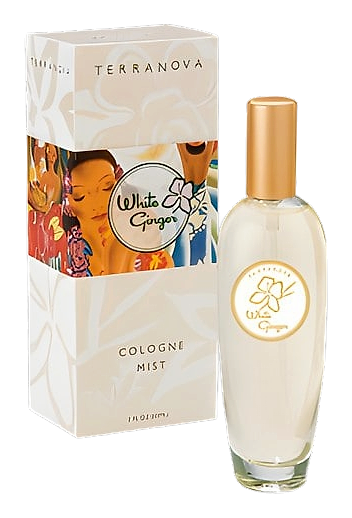
Tiare Lei sits in a specific corner of fragrance: tropical florals rendered with a botanical honesty rather than gourmand excess. It wears like something discovered at an independent shop, and the people who reach for it tend to be the ones who want coconut and tiare presented as themselves, not buried under layers of fruit and sugar. The fragrance has a small, devoted audience, and its production in cologne mist and perfume essence formats means it functions as both a personal scent and a body product. That's the niche it fills: unpretentious, and specific about what it is.