
The Story
Why it exists.
The beginning
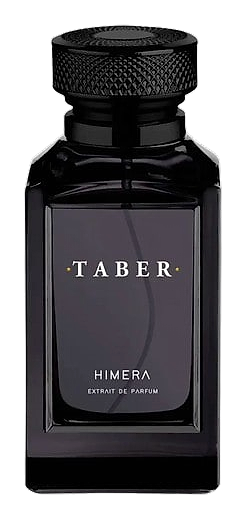
Himera takes its name from an ancient Greek city in Sicily, a place whose history is layered and contested. Taber named this 2024 release after those very ruins, pulling a sense of place defined by cultural collision into a composition built on tension between warmth and restraint. The result is a scent that smells less like a Mediterranean postcard and more like the ground beneath one. On skin, the saffron opens with that metallic bite, almost like the tang of heated metal, while the jasmine behind it stays shadowy, refusing to turn sweet or heady even in the first minutes. There's an austerity to the opening that feels deliberate, as though the juice wants to announce its seriousness before it softens.
What makes Himera's structure unusual is its economy. Just three core materials carry the entire composition, yet none of them behave as expected. Saffron and jasmine share the opening, a pairing that catches the nose off guard because the materials don't play their usual roles. The saffron reads metallic rather than sweet, almost like the cool edge of a coin held too long in a palm, and the jasmine stays shadowy, never turning heady. You wait for the jasmine to bloom into the indolic white-flower blast so common in mainstream launches, and it simply doesn't.
The evolution
The first fifteen minutes are a saffron-jasmine handshake, bright and slightly bitter, with the saffron's metallic edge making jasmine feel grounded rather than floral. The metallic accord dominates here, that almost cool tang of heated steel cutting through what would otherwise read as a softer opening, and the jasmine threads behind it, indolic but never sweet, giving the composition a savory undertone that pulls you in rather than pushing you back. By the thirty-minute mark the ambergris takes over, and the composition shifts from spice to skin. This is where the animalic accord earns its keep: warm, salty, lending a sense of intimacy that reads less like perfume and more like something that belongs to the body wearing it.
Cultural impact
Himera sits at the austere end of recent independent launches, and its minimal three-note structure reads as a deliberate choice rather than a limitation. Where many contemporary releases stack materials to chase complexity, Himera strips back to just saffron, jasmine, ambergris, and cedarwood, and trusts each one to carry weight. The animalic ambergris especially feels pointed, the kind of note that announces itself as skin-adjacent, meant for a wearer interested in material that reads more like a second skin than a scented accessory.