




Heritage
A house, in its own words
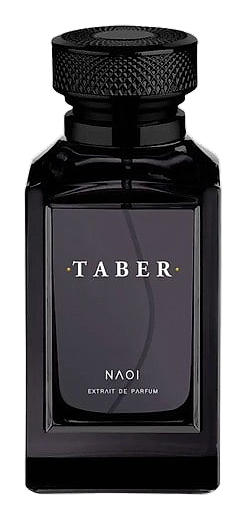
The Taber name appears in fragrance history through two distinct entities, creating potential confusion. The House of Dana launched a perfume called Tabu in 1932, created by the celebrated French perfumer Jean Carles, whose subsequent work would define several landmark fragrances. This Tabu, produced by Dana rather than a house called Taber, became a notable presence in American fragrance history. Separately, the contemporary brand Taber emerged reportedly in 2020, with the stated concept of approaching men's personal care through fragrance. The timing of Taber's market entry in 2024 came amid a broader surge of independent fragrance houses entering the market, many drawing inspiration from historical perfumery while targeting contemporary consumer preferences. Unlike heritage houses that can trace decades or centuries of continuous operation, Taber represents a newer venture into scent creation. The choice of Greek geographical and mythological names for the initial fragrance collection (Megara, Himera, Zankle, Tau, Naoi) positions the brand within Mediterranean olfactory traditions, though the specific heritage connections remain conceptual rather than documented. The house operates alongside broader personal care offerings, suggesting a lifestyle positioning rather than a traditional perfume-only model. Taber's approach centers on fragrance as experiential rather than merely cosmetic. The brand reportedly conceived its mission in 2020 with an ambition to offer what was described as a complete experience in men's personal care, moving beyond singular product transactions toward an integrated offering. The mythological naming convention evident in the 2024 collection suggests a philosophy that prizes narrative and cultural resonance alongside olfactory composition. By choosing names drawn from Greek geography and mythology, the house invites wearers into an association with classical Mediterranean civilization, its aesthetics, and its symbolic associations. This naming strategy implies a belief that fragrance operates on the level of identity and storytelling, not just scent delivery. The house appears to approach fragrance creation as curation, selecting thematic territories and developing scents that embody specific cultural or historical concepts. The inclusion of personal care categories alongside perfume suggests a philosophy that sees scent as part of a broader sensory and grooming regimen rather than a standalone luxury. The relatively compact initial collection of five fragrances indicates intentional restraint, potentially reflecting a belief in depth over breadth in fragrance development.