The Story
Why it exists.
The beginning
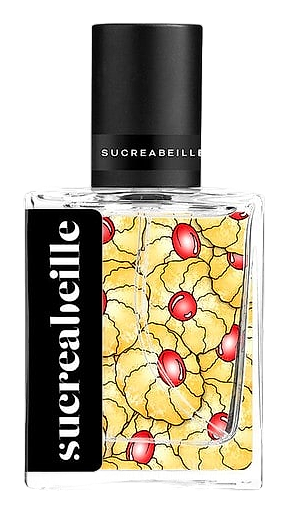
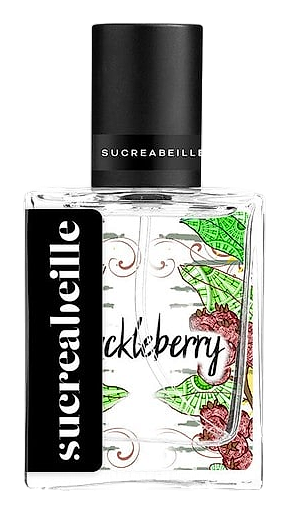
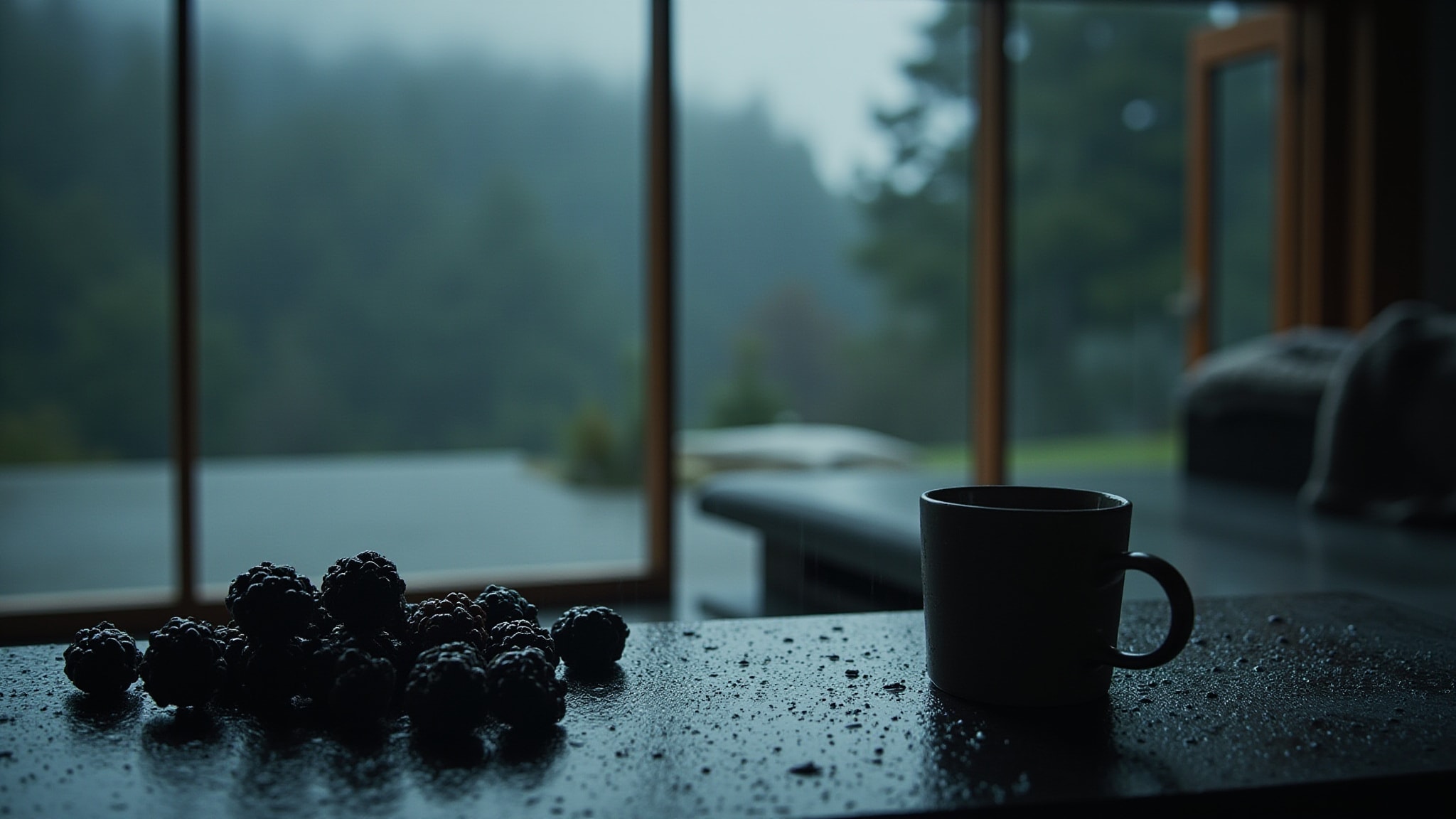
Huckleberry came out of Sucreabeille's Summer Berries lineup in 2019, a small-batch eau de parfum from an indie house with a catalog that tends to lean narrative. The scent draws from wild huckleberries, a fruit most people have only read about, berries that grow almost exclusively in the Pacific Northwest. The fragrance captures the essence of a damp, misty morning in a cedar forest, where the air itself feels like it's holding water. Oakmoss, rain, and cloudy skies. It's a place portrait, not a perfume pitch. The composition leans fully into the atmospheric, treating the wet woods as the star rather than a backdrop, and the berries as wild-growing rather than cultivated sweetness.
What makes this composition interesting is the layering of a literal rain accord with a forest floor that includes oakmoss and cedar. The ozonic and rain notes pull the whole thing into atmospheric territory, more Pacific Northwest weather report than perfumery. The scent is listed for women and men, and the wildness of the inspiration matches that openness. There's nothing traditionally gendered about a wet morning in the woods, and the composition doesn't try to manufacture one.
The evolution
The opening is rain. Just rain. The kind that pools on moss and makes everything smell slightly mineral. Then the berries push through, not sweet, not jammy, just the sharp purple-tart of fruit that grew on its own schedule. Cedar starts showing up as the composition develops, woody and green, anchoring the wetness to something solid. The drydown is where the oakmoss settles in and stays. Hours later, on a sweater, it's a close green skin scent. Forest floor, overcast sky, the memory of picking something with your hands. The berries fade into suggestion rather than disappearing, leaving a faint fruit shadow behind the moss and wood.
Cultural impact
Huckleberry is part of Sucreabeille's Summer Berries collection, released in 2019 as a seasonal offering. The fragrance leans atmospheric, the kind of scent that reads less like perfume and more like a place. It sits closer to a forest-floor soliflore than the fantasy and pop-culture adjacent scents that tend to define the broader Sucreabeille catalog, and that contrast has made it a point of interest within the brand's lineup.