The Story
Why it exists.
The beginning
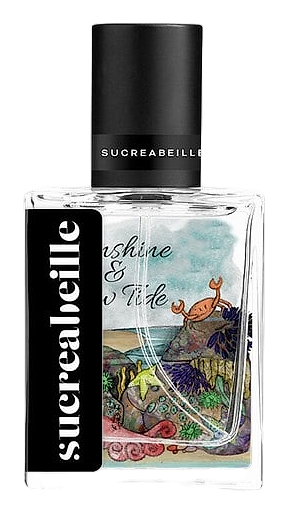
Sunshine and Low Tide is a postcard from a specific kind of afternoon, the one where the ocean steps aside and lets you see what's underneath. Tide flats baking in the sun, kelp draped over rocks, the mineral smell of seafoam drying on warm stone. The brand's perfumer, Beth, built this one to capture that exact sensory moment, that barefoot feeling of walking the shoreline when the water rolls in over your feet and the sand shifts beneath you. The composition sits firmly in the experiential lane: not a fantasy character or a literary homage, but a place. Tide pools. Sea glass. The quiet stretch of coast where the water pulls away and leaves everything exposed.
What makes this composition interesting is the restraint. The sand accord is the unusual move. It's not a base note in the traditional sense, more of a texture, a dry mineral anchor that prevents the composition from floating away into generic fresh territory. The seaweed and kelp bring the green-saline complexity of real tidal pools, the vegetal pull of something alive and growing along the rocks.
The evolution
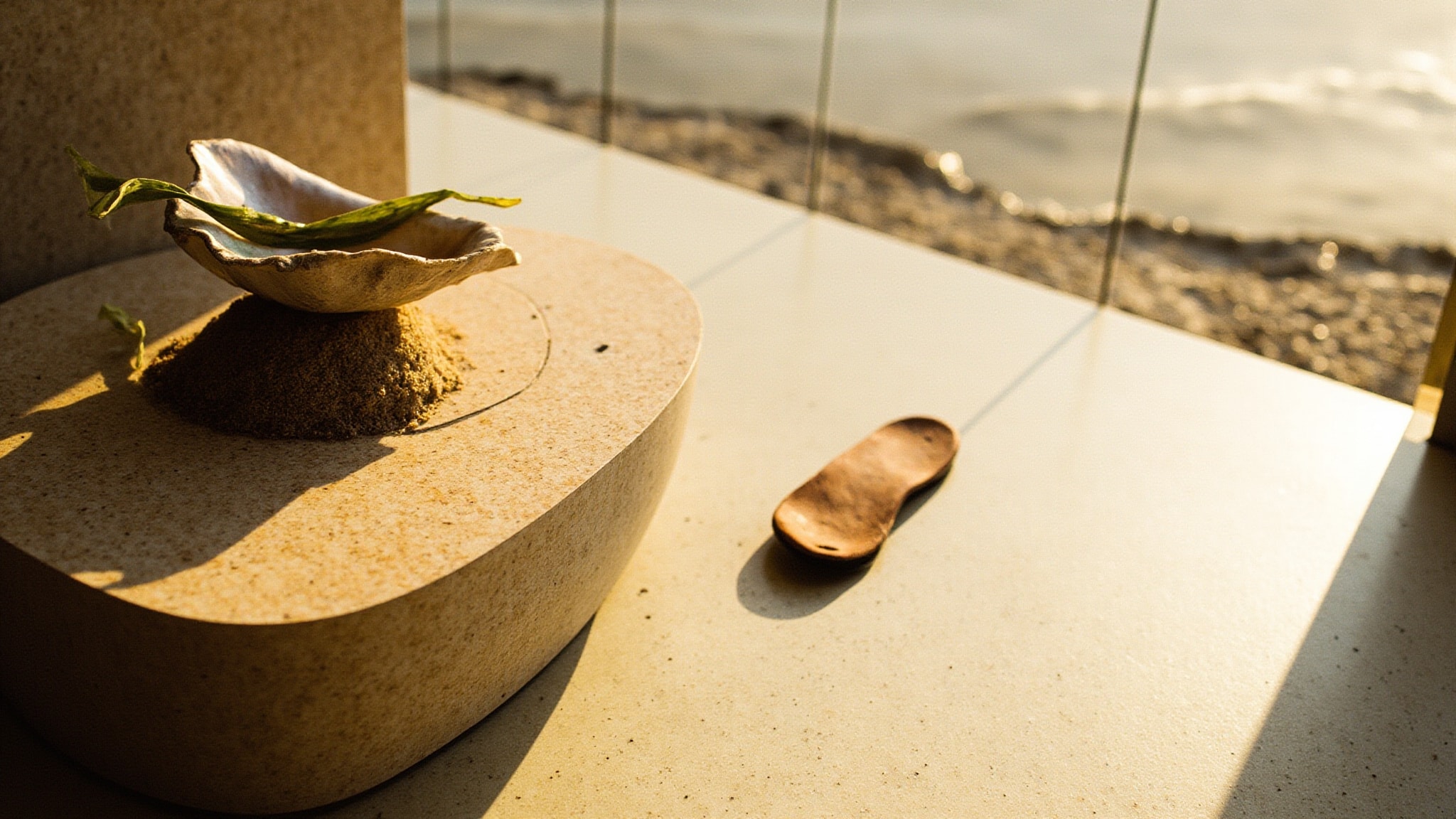
First fifteen minutes and the marine notes hit like a wave breaking, cold, sharp, briny, very much alive. The sand accord sits underneath from the start, grounding the composition so it doesn't tip into pure aquatic. There's a wet-rock minerality that's almost metallic, like the inside of a shell held to your ear. After the first hour, the opening brightness softens. The seaweed and kelp notes move forward, bringing something green and slightly vegetal, the smell of low-tide pools with something living in them. The salt settles into the skin rather than sitting on top of it. This is where Sunshine and Low Tide stops smelling like a concept and starts smelling like a place, the scent of an exposed seabed, of light catching the wet surface of a tide flat left behind by the retreating water.
Cultural impact
Sunshine and Low Tide carves out a specific niche within the aquatic genre, one built around mineral and earthy authenticity. Tide flats baking in the sun, kelp draped over rocks, the smell of seafoam drying on warm stone. That specificity gives the fragrance its appeal, the kind of scent that lingers in the memory because it commits to a real place rather than an abstract idea of ocean. Anyone who's spent time walking a shoreline at low tide will recognize the details: the green-saline pull of seaweed, the wet-stone minerality, the faint iodine that lives in the air near the surf.