The Story
Why it exists.
The beginning
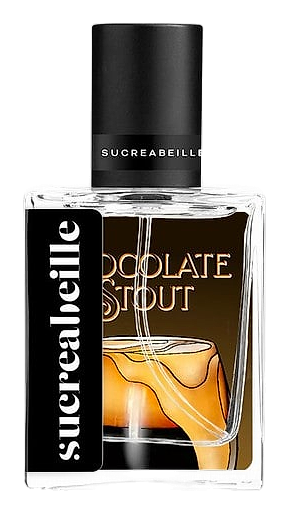
Chocolate Stout is part of Sucreabeille's Holiday Spirits collection, a seasonal lineup that trades glitter and pine for the more lived-in comforts of the season: fireside drinks, thick sweaters, the specific warmth of being indoors while it's gray outside. The collection draws from spirits and seasonal moods, each scent tuned to a different corner of the holidays. This one reads like a page from that catalog: rich chocolatey stout, a comfy flannel shirt, allspice, sandalwood, vanilla bean. Less holiday punch, more the pub two doors down from the holiday party. An Eau de Parfum built for the people who'd rather skip the cocktail hour and find the corner table.
What's interesting is how the composition handles the gourmand territory on its own terms. There's no sugar-rush sweetness here, no marshmallow fluff. Instead, chocolate stout gets treated as a roasted, slightly bitter base note, more stout than syrup, and the allspice does the heavy sweetness work in a way that reads warm without tipping into candy. Sandalwood anchors everything with that soft, woody creaminess that grounds the warmer, sweeter elements and keeps them from floating off. The vanilla bean rounds it off, but carefully, adding a creamy warmth without veering into dessert.
The evolution
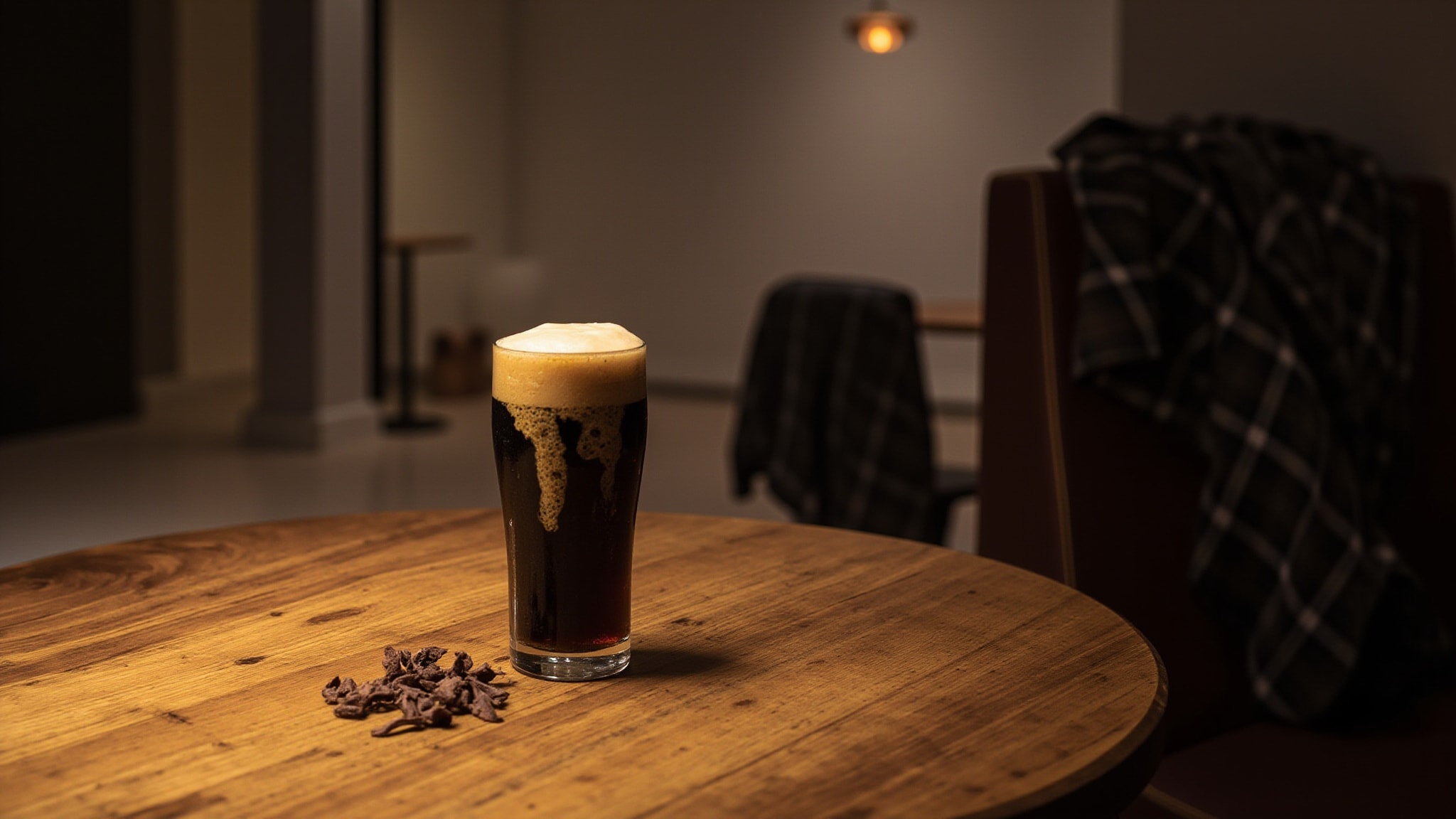
The composition opens with the stout doing its thing. Bitter cocoa, a roasted malt warmth, and just enough allspice to prick at the back of the nose. It smells less like a dessert and more like the air around a freshly poured pint, that grain-and-hop darkness with a curl of spice rising off it. As the composition develops, the chocolate steps back and the sandalwood and vanilla take over, trading roast for cream. The allspice doesn't disappear, though. It hangs on like a low ember, threading through every stage of the wear and keeping the scent from going flat. In the later stages, it's mostly flannel: soft sandalwood, warm vanilla, a trace of spice that keeps the whole thing alive.
Cultural impact
Chocolate Stout wears like a scene rather than a statement, the kind of fragrance that pairs with wood-paneled bars and second-round conversations. The beer-and-flannel concept lands because it isn't trying to be anything other than exactly what it describes. There's no abstraction here, no clever rename: stout is stout, flannel is flannel, and the scent leans into that honesty. For wearers who want their fragrance to feel lived-in rather than polished, this hits a comfortable note. It captures a specific kind of cold-weather mood: the bar is warm, the beer is dark, the shirt is the same one as last week, and nobody's trying too hard.