The Story
Why it exists.
The beginning
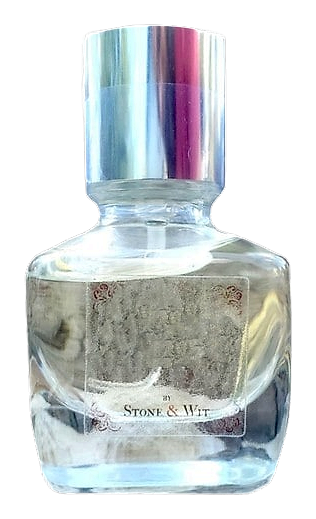
R Bagley had been reading self-published fiction when a zombie anthology set outside Kathmandu stuck. One story described the constant scent of birch forests, heady, clean, mountain air layered with green spice and something almost resinous. That description became the brief. Lost Temple translates a reader's sensory memory into something you can wear. Birch leaf, ozonic cool, juniper's bite, then incense. The name came last, which happens more often than you'd think. A temple doesn't announce itself. Neither does this.
What makes Lost Temple work is the tension between cool and warm. The opening reads like standing at altitude, thin air, green trees, no human scent for miles. That freshness doesn't disappear so much as it gets interrupted by incense, which arrives quiet and stays. The inclusion of ISO E Super is doing something interesting: it adds volume without projection, making the fragrance feel larger than it smells. Styrax brings a waxy, almost honeyed resin that bridges the green opening and the woody base without forcing the connection. It's a composition built around what you don't notice, until it's gone.
The evolution
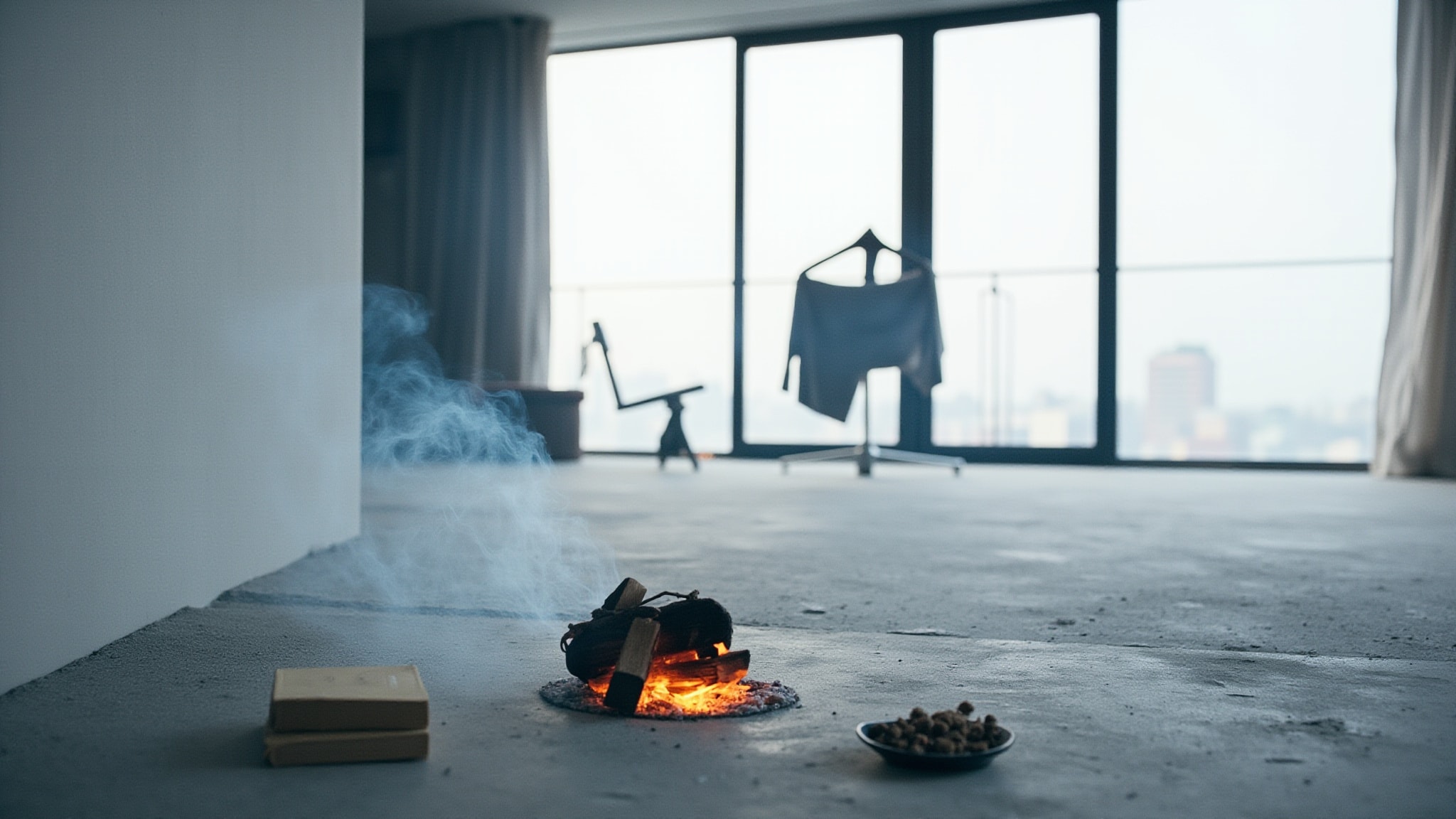
The first minute is all atmosphere. Cool air, birch, a hint of juniper spice. Ozonic and green, like standing in a forest clearing before the sun clears the mist. Around ten minutes in, incense arrives, not loud, not smoky yet, just present. ISO E Super fills the space between the green top and the incense heart, smoothing what could have been a jarring transition. The drydown is where it gets interesting: sandalwood and styrax create a warm, slightly sweet woodiness while white musk keeps everything close to skin. Patchouli adds a quiet earthiness underneath. The smoke doesn't dominate, it's more like a distant signal, the memory of something burned. On fabric, the drydown outlasts the skin performance by a few hours. By the next morning, only a faint wood-and-incense trace remains.
Cultural impact
Lost Temple has found its audience among people who seek out indie fragrances for the same reason they read self-published books, something made with a specific point of view, not a committee. The community describes it as the scent of someone who walks into a room and doesn't need to announce themselves. It wears quietly but leaves an impression that outlasts its sillage. The 2019 release predates a wave of indie releases that have since brought green-incense compositions into wider conversation, and it holds its own among them.