The Story
Why it exists.
The beginning
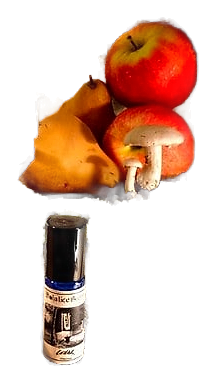
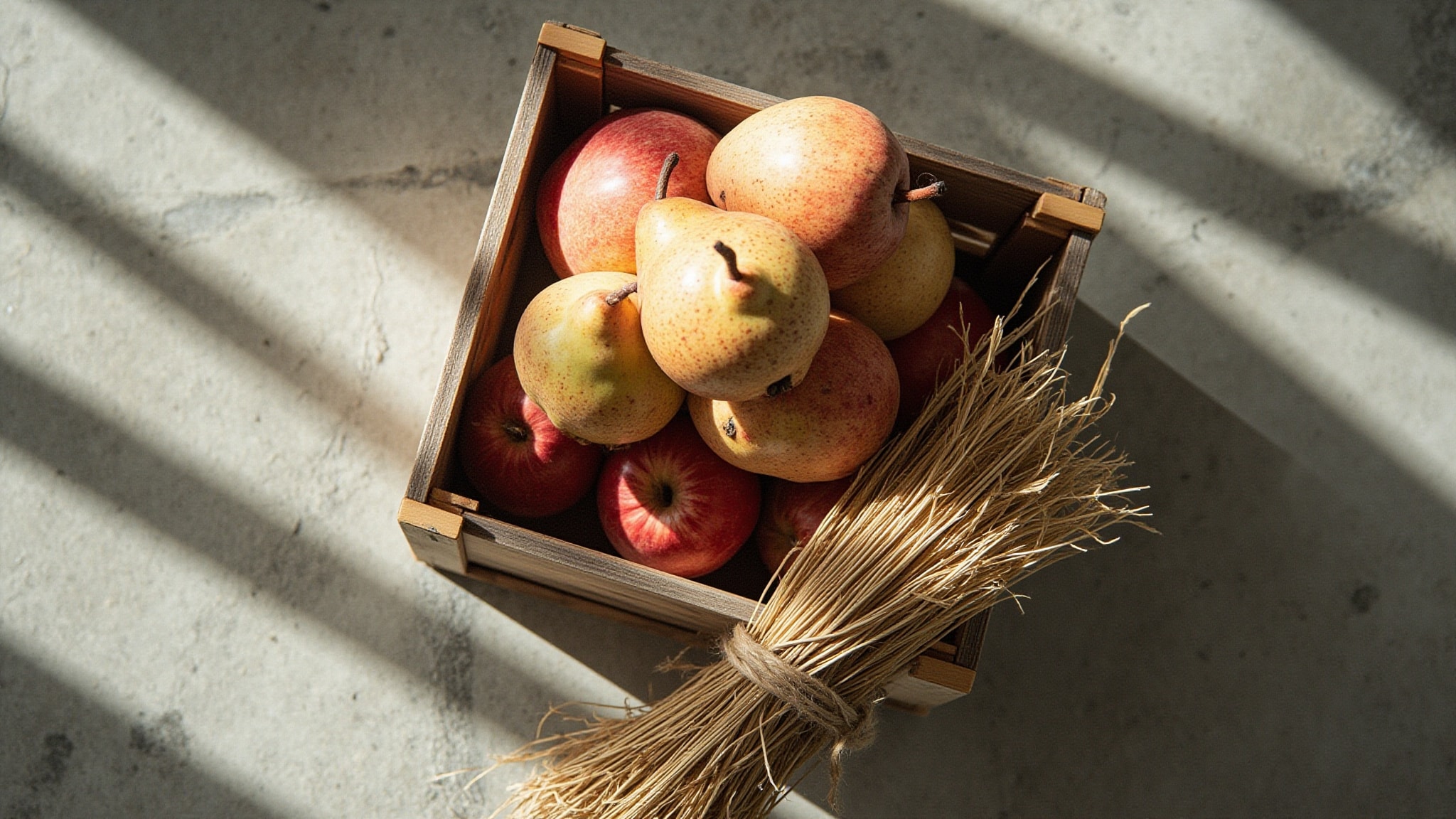
Cellar takes its name from a specific place, the stone-and-beam cellar of a working manor, where orchard fruit ripened in wooden crates beside casks of estate wine. Angela St. John translated that space into scent, beginning with the cool, wet mineral hit of stone walls that greet you on the descent. Red apple and Williams pear burst forward as you become accustomed to the dark, followed by hay and sweet clover absolute that lend a necessary dryness to keep the fruit from cloying. The result is a fragrance that feels architectural, one that asks you to slow down and smell where you are, not where you're going.
What makes Cellar technically interesting is the cool stone accord's role as both opening note and structural device. It performs a specific function, that initial burst of cool, mineral dampness that dissipates within 15-20 minutes, before the earth and wood take over. This is not incidental. The stone creates a narrative entry point: you descend, the cool air hits, then the room reveals itself. The hay absolute and sweet clover absolute work in tandem to counterbalance the sweetness of the orchard fruit, preventing the composition from reading as purely edible. Instead, the dryness keeps the fruit grounded, bruised, not candied, present but not insistent.
The evolution
The opening is cool stone and a burst of red apple and Williams pear, crisp, immediate, almost startling in its clarity. Within five minutes, the hay and sweet clover absolute rise and introduce a dryness that tempers the sweetness. The fruit doesn't disappear. It recedes, becoming an undertone rather than a statement. By the mid-drydown, the composition shifts to a quiet earthy apple, no spice, no bright florals, just the warm, settled weight of fruit that has been sitting in a wooden crate in a cool room. The wood and patchouli notes deepen the base without dominating. Patchouli is present but restrained, providing grounding rather than character. Virginia cedar and guaiac wood anchor the drydown into something that lingers close to the skin for hours. On fabric, the drydown can persist into the next day, a faint, dusty apple-wood that reminds you the cellar was there.
Cultural impact
Cellar arrived during a period when indie perfume houses were gaining traction for creating atmospheric fragrances that captured specific places and memories rather than generic categories. Solstice Scents built its reputation on transporting wearers to real locations, and Cellar exemplified this approach by bottling the experience of a cool, stone-floored storage space filled with ripening orchard fruit. The fragrance found a dedicated audience among enthusiasts who appreciated its subtle complexity and non-mainstream character, standing apart from the heavily sweetened fruity fragrances popular at the time. Its continued presence in the Solstice Scents catalog as a seasonal release reflects sustained demand and cultural relevance within the indie fragrance community.