The Story
Why it exists.
The beginning
The name says everything. Botticelli's Primavera, that 15th-century vision of spring's arrival, Zephyr chasing the nymph Chloris, flowers scattering in her wake. Ekaterina Siordia took that image and asked: what would it smell like? Not literally. No goddess, no allegory. Just the sensation of a garden erupting, translated into hyacinth and dew and green stems at their most alive.
What makes this composition unusual is hyacinth's role. In most fragrances it plays supporting act, a cool floral accent against warmer materials. Here it leads. The dew-drop note isn't aquatic in the conventional sense, no marine accord, no ozonic synthetics. It's the moisture on grass at dawn, working in tandem with hyacinth's green, slightly bitter stem note. Lily of the valley doesn't soften so much as cool things further, like stepping into shade after standing in direct sun.
The evolution
The opening hits fast. Dew and grass arrive together, crisp, green, immediate. Within minutes hyacinth takes over, not sweet but present, its cool beauty shaped by the green notes underneath. The heart holds steady for a few hours, a persistent green-floral that never fully resolves into sweetness. Then the drydown: lily of the valley lingers, muted and clean, the ghost of the garden after everyone's gone home. On fabric, the green notes hold longer than on skin. The next morning, a faint green-floral trace remains, like a window left open overnight.
Cultural impact
Botticelli draws its name from the Renaissance painter Sandro Botticelli, whose works have become touchstones of Western art history. The fragrance's naming connects to a tradition in niche perfumery where artistic and literary references serve as organizing principles, creating evocative associations beyond conventional note categories. This approach invites wearers to engage with the fragrance on a cultural level, discovering layers of meaning through its title and imagery. The scent itself offers a distinct interpretation of green florals, moving beyond predictable aquatic or abstract green accords to explore more intimate territorial.
The House
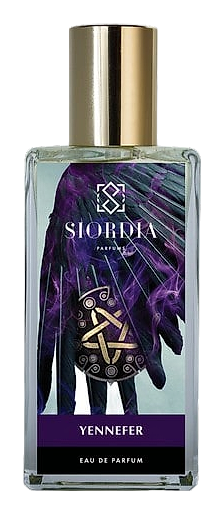
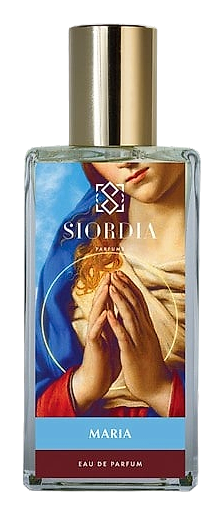
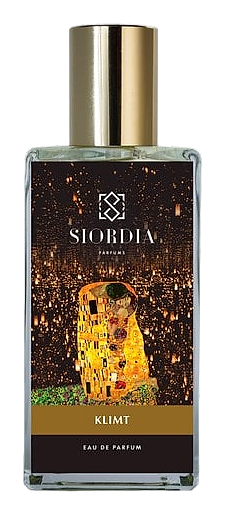
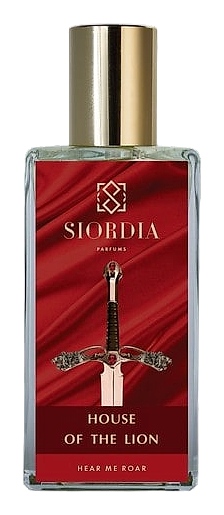
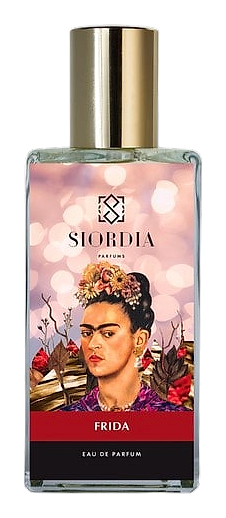
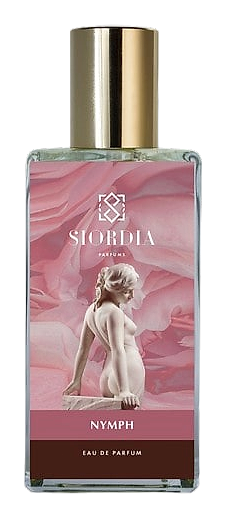
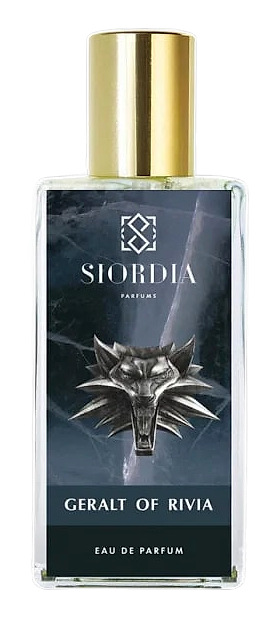
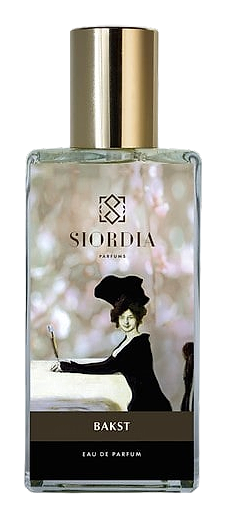
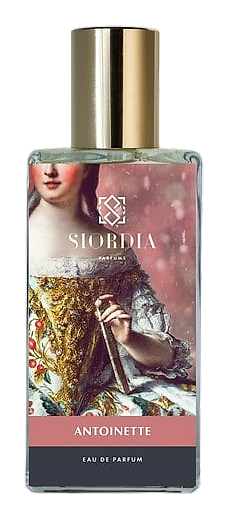
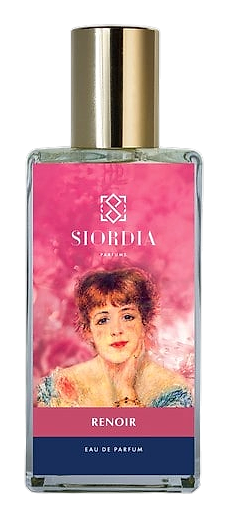
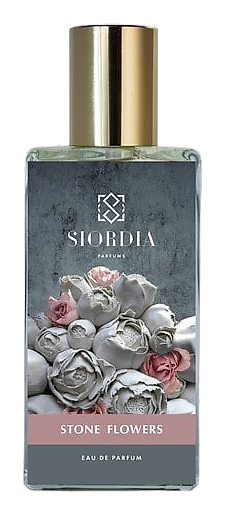
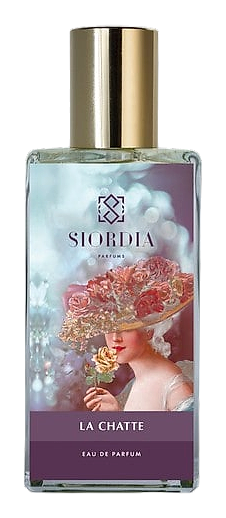
Siordia ParfumsSiordia Parfums is a Russian niche fragrance house that entered the perfume world in 2016 under the direction of founder Ekaterina Siordia. Based in Russia, the brand has built a catalog of 57 perfumes, making it one of the more prolific entries in the Russian niche perfumery scene. The house occupies a distinctive position within the niche fragrance landscape, drawing inspiration from art history, mythology, and cultural imagery rather than adhering to mainstream fragrance conventions. Siordia Parfums creates scents that range from smoky incense interpretations to florals and orientals, with names referencing subjects like Gustav Klimt, ancient Egyptian deities, and literary figures. The brand appeals to collectors and fragrance enthusiasts who seek perfumes with narrative depth and unconventional compositions, particularly those interested in Eastern European niche perfumery.
The Creator
Ekaterina SiordiaSiordia's stylistic signature lies in dramatic contrast and unexpected combinations. She layers familiar materials in unfamiliar configurations, producing fragrances that feel simultaneously accessible and strange.