
The Story
Why it exists.
The beginning
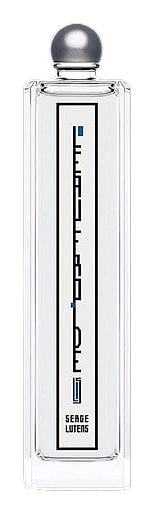
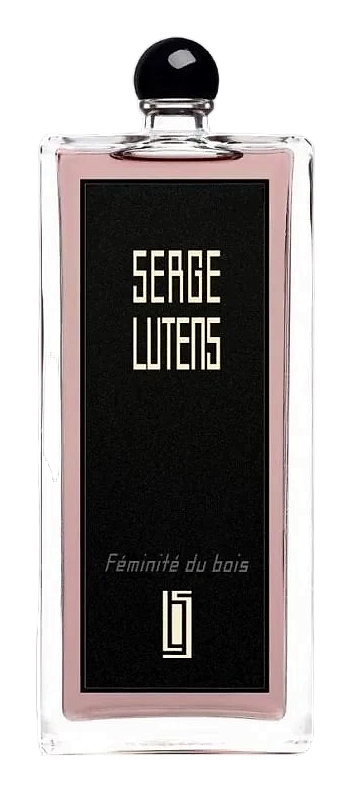
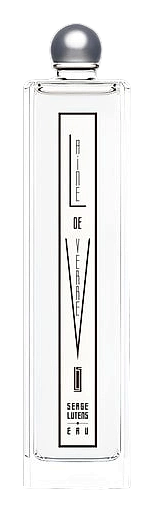
Laine de Verre means glass wool. The insulating material you find in walls, the industrial substrate that has no business being beautiful. Serge Lutens and Christopher Sheldrake looked at it anyway, and found something there worth translating. Citruses and aldehydes, the brand explained, warmed by fine woody shades that stay behind cashmeran. The Eaux line had been running since 2009 when this arrived in 2014, an expansion of Lutens' ongoing project to find fragrance in places perfume usually ignores.
The aldehydes here don't behave like vintage Chanel. They arrive sharp, crystalline, almost cold, the scent of light through glass, or the smell of a clean laboratory. Cashmeran softens what could be harsh, adding a skin-warm quality underneath that the name promises but doesn't advertise. The woody shades are fine, unobtrusive, staying behind the main accord like support beams in a wall. What makes this unusual is the material source: Lutens chose to name a fragrance after something most people have never consciously smelled, and then built a composition that captures that specific, almost abstract concept.
The evolution
The opening hits sharp and cold. Aldehydes and citrus arrive together, the citrus fading faster than expected while the aldehydes stay crystalline, almost metallic. The heart introduces musk and cashmeran, the fragrance cleanses, becomes soapier, more intimate. By the drydown, cashmeran wraps close to the skin with woody shades and musk lingering 4-6 hours on most skin types. The aldehydes don't disappear entirely. They persist as a clean backbone, the glass wool promise kept long after the citrus has gone.
Cultural impact
Part of Lutens' Eaux line, Laine de Verre joins a house known for challenging compositions, fragrances that smell like memory, like places, like emotion given form. Where other houses pursue comfort, Lutens pursues confrontation. This one asks you to reconsider what clean means. The 2014 release embodies the house's ongoing dialogue with abstraction.