The Story
Why it exists.
The beginning
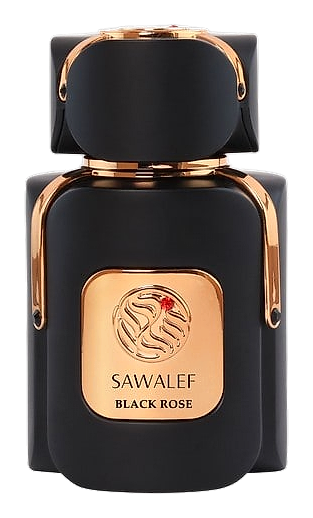
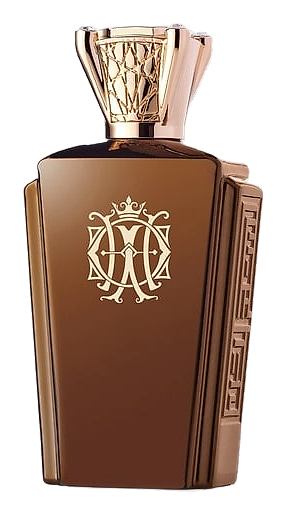
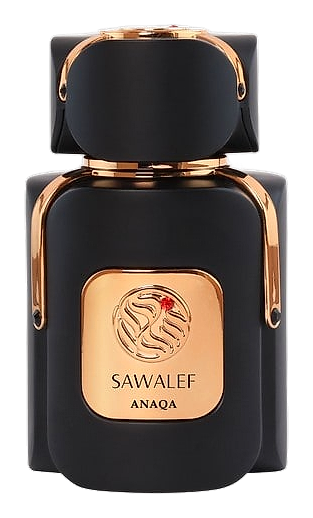
The name comes from the Arabic word for 'balance', and that's the brief the perfumer worked from. Three materials, three tiers, no filler. Turkish rose at the top, patchouli at the heart, amber at the base. The intent was to create tension between the floral and the resinous, the delicate and the deep, and let them hold each other in place. It was Sawalef's first public fragrance in 2018, and the house treated it as a statement: that restraint could be its own form of luxury.
The rose-and-patchouli pairing is less common than it should be. Rose on its own reads delicate; patchouli on its own reads earthy. Together they create something neither could manage alone, a floral that has weight, and a woody that has breath. The amber doesn't complicate the equation. It simplifies it. Warmth as a bridge between the rose's opening and the patchouli's staying power. Three notes doing the work of thirty, which is the kind of economy that appeals to collectors who have learned to distrust crowded pyramids.
The evolution
The opening is Turkish rose with something to say. Not the candied rose of some Western flankers, this one has presence, a slight green edge at the stems that keeps it from reading sweet. Within the first hour the patchouli announces itself, not as a whisper but as a fact. Earthy, mossy, it pushes against the rose and neither backs down. The amber is patient. It waits until hour three or four before it fully arrives, and when it does the whole composition changes register, warmer, softer, closer to the skin. By hour six the rose has quieted and what remains is amber-glow over a patchouli that has become almost creamy from proximity to warmth. It doesn't disappear. It settles.
Cultural impact
Anaqa attracted a following among regional collectors who recognized what the house was attempting: an evening rose grounded in earthy patchouli, positioned as an alternative to the sweeter, more commercial orientals crowding the regional market. The sparse three-note structure became part of its appeal, a statement against ingredient inflation that resonated with those who had grown skeptical of crowded pyramids.