
Heritage
A house, in its own words
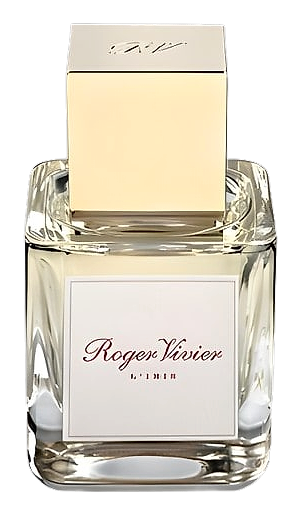
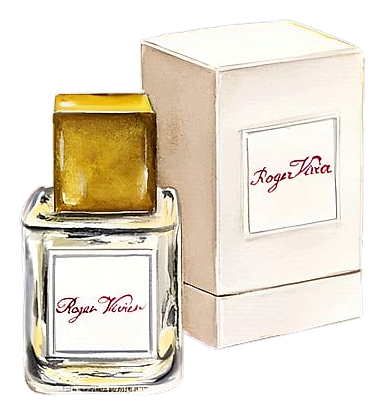
Roger Vivier began in Paris in 1937 under the name of its founder, Roger Vivier. The house built its reputation through footwear, combining traditional shoemaking knowledge with a strong sense of proportion, form and refinement. Vivier’s background in sculpture informed the way shoes were conceived, giving the designs a sculptural character that helped distinguish the Maison from more conventional footwear labels. The company later expanded its headquarters in an eighteenth-century hôtel particulier in Paris, reinforcing the house’s connection with Parisian design and historic architecture. Its first fragrance collection arrived in October 2010. The launch was notable because it translated the vocabulary of Roger Vivier footwear into five women’s scents rather than offering a broad catalogue of unrelated fragrances. Inès de la Fressange was associated with the creation and presentation of the debut collection, which appeared during Fashion’s Night Out. The five names, Le Santal, L’Ambre, La Rose, L’ Iris and Le Neroli, established a concise fragrance identity rooted in classical materials and clear sensory references. Since then, the Maison has continued to operate across footwear, accessories and fragrance, while its perfume division remains tied to the same Parisian origin and design-led identity. Roger Vivier’s approach to fragrance is best understood as an extension of its approach to design: composition should feel deliberate, balanced and closely connected to the object it accompanies. The five debut scents use recognizable material names as entry points, allowing each fragrance to communicate its central character before it is worn. Sandalwood suggests warmth and woods, amber offers a rich amber-oriented profile, rose places floral softness at the centre, iris brings a refined powdery and textural association, and neroli draws on the brightness of citrus blossom. This clarity reflects the house’s interest in a small, coherent collection rather than an exaggerated sense of novelty. The fragrances were introduced with Inès de la Fressange, whose involvement added a Parisian fashion perspective to the launch. That collaboration fits the Maison’s broader identity, where fragrance sits alongside shoes and accessories as part of a complete visual culture. The philosophy is therefore disciplined and editorial. Roger Vivier does not need to obscure its references. Each scent is named for its principal atmosphere, then presented as an accessory within the visual and material world of the house. The result is a fragrance collection that feels designed rather than improvised, with a restrained palette and a direct relationship between name, material and mood.