The Story
Why it exists.
The beginning
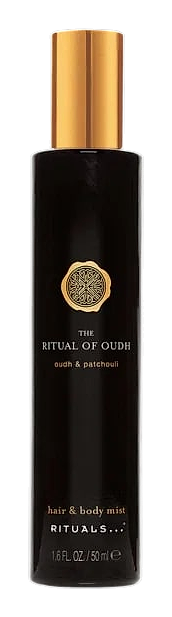
The Ritual of Oudh arrived in 2019 as part of Rituals' expanding fragrance collection. This particular composition takes one of perfumery's most storied materials and strips it back to essentials. Oudh is the star. Everything else orbits. The fragrance was designed around the principle that less can carry more weight, and that a single, well-chosen material can speak more clearly than a crowded formula. In a category where oudh is often buried beneath layers of competing sweetness or weighed down by heavy ornamentation, this composition chooses the opposite path. It presents the oudh with clarity, unadorned, and lets the wearer's skin provide the warmth it needs to unfold.
What separates this from the crowded oudh shelf is the restraint on display throughout the formula. The Ritual of Oudh offers a single heart note of oud, grounded by patchouli and lifted by orange zest and saffron. It's a composition that trusts its central material enough to let it breathe alone. The patchouli does quiet work beneath the surface, adding an earthy depth that keeps the oudh from floating away into something thin or synthetic.
The evolution
The opening doesn't so much begin as arrive already settled. Orange zest brightens the first ten minutes, a quick gesture of citrus that hands off to saffron warming into skin. By the thirty-minute mark, the oudh has claimed the space, smoky and resinous, close to the warmth of woodsmoke rather than anything medicinal. Patchouli anchors the base, earthy and slightly sweet, giving the composition its weight. Longevity tends toward the longer end of moderate on most skin, with a sillage that stays close and personal, a quiet presence that requires leaning in rather than stepping back. As the hours pass, the saffron gradually fades into memory while the oudh deepens, taking on a darker, more contemplative tone that reveals new facets of its character.
Cultural impact
The Ritual of Oudh finds its audience among wearers who want oudh's character without committing to the heavier traditional compositions. This is oudh translated into a more wearable register, the same aromatic family rendered for daily use rather than reserved for special occasions. The fragrance speaks to a shift in how oudh is being presented to broader audiences, no longer locked behind a wall of intensity or formality. It demonstrates that this storied material can be approached from a lighter angle and still retain its essential character.