The Story
Why it exists.
The beginning
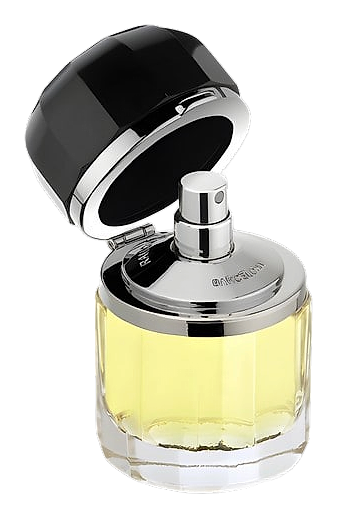
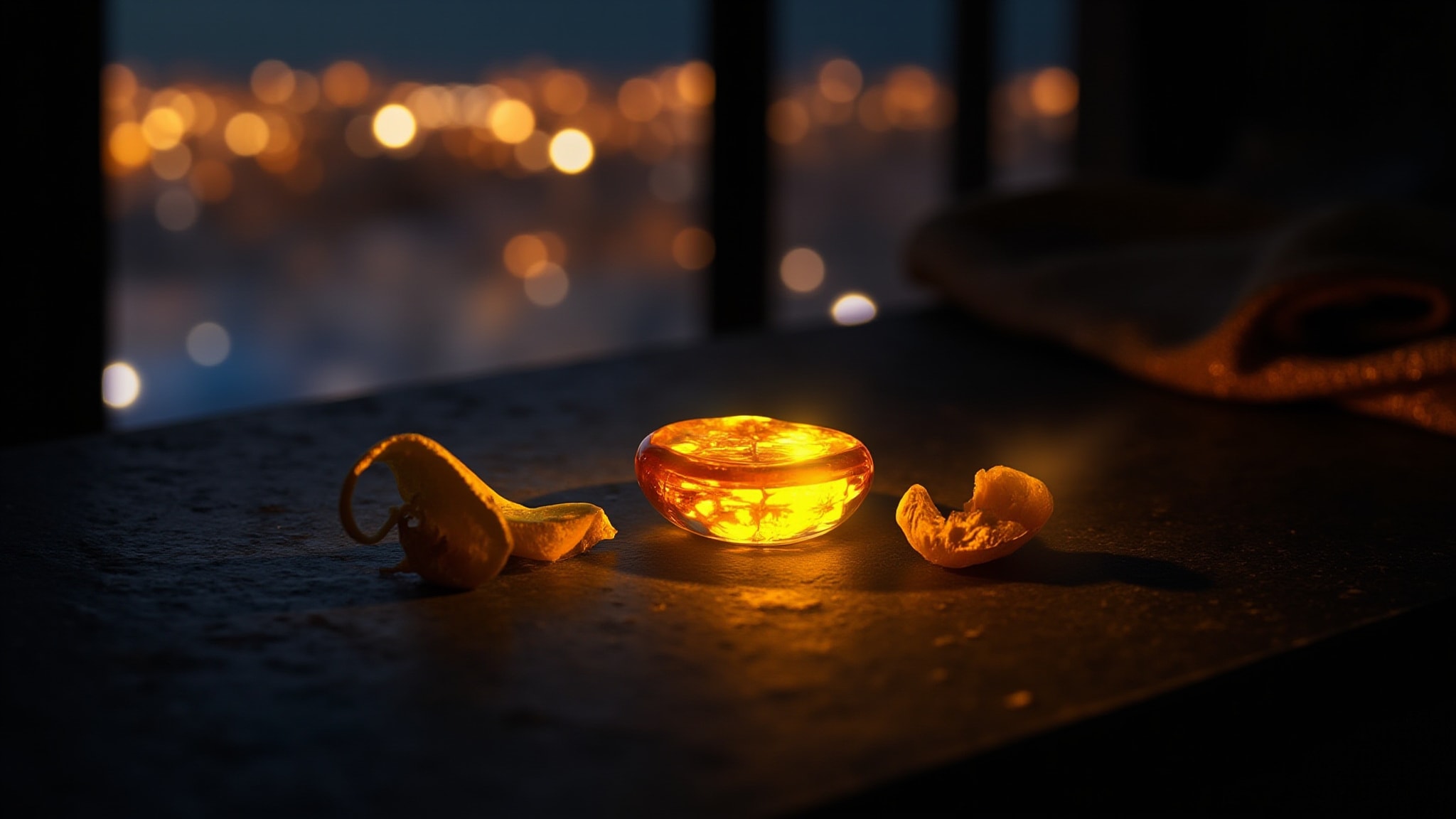
Ramon Monegal launched Ambra di Luna in 2009, the same year the perfumer turned his family's Barcelona legacy into his own label. The name, Italian for Moon Amber, hints at the scent's core: amber that glows rather than blazes, jasmine that catches the last light before dark, sandalwood that grounds everything in warmth. One of the house's first standalone releases, it explored amber through a distinctly Mediterranean lens, less syrup, more luminosity.
The note structure is worth pausing on. The pyramid is sparse, one base material, two heart notes, yet the scent projects more warmth and depth than the structure alone suggests. The castoreum carries the load typically shared across several base materials. It adds a warmth that borders on tactile, the kind of closeness that doesn't project but fills a small space completely.
The evolution
On skin, the jasmine opens first, cool, clear, luminous. The lemon that precedes it fades within minutes, leaving jasmine and amber to develop together. By the second hour, the jasmine has softened and amber dominates. Vanilla joins sandalwood in the drydown, creating something richer and more golden. The final hours are intimate and close, skin-warm, with sandalwood and vanilla lingering quietly. Eight to ten hours on most skin types.
Cultural impact
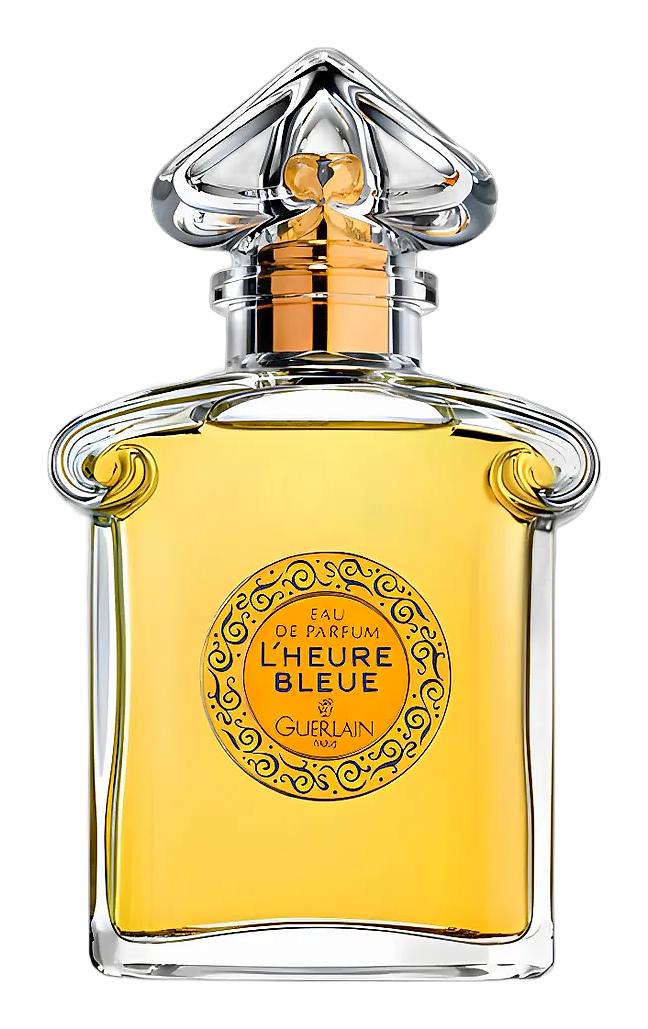
Discontinued yet sought after in niche circles, Ambra di Luna is the kind of fragrance collectors hunt. Those drawn to amber-forward compositions with real complexity, beyond the mainstream amber curve, tend to find something worth remembering here. It sits alongside Guerlain's Shalimar and Chanel's N°5 as an amber that shaped how the note could work, though its Spanish soul gives it a different register entirely.