The Story
Why it exists.
The beginning
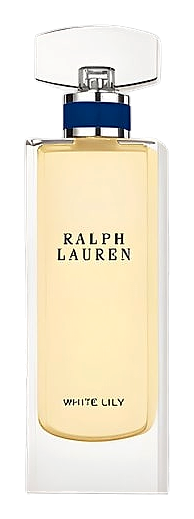
Portrait of New York, White Lily is Harry Frémont's study in restraint. Launched in 2016, it belongs to Ralph Lauren's Portrait of New York collection, each fragrance a sensory sketch of a specific borough or mood. Where other flankers pile on complexity, this one strips back. Four notes. One clear idea. The result feels less like a fragrance and more like a mood, the particular softness of a Manhattan evening before the city fully wakes.
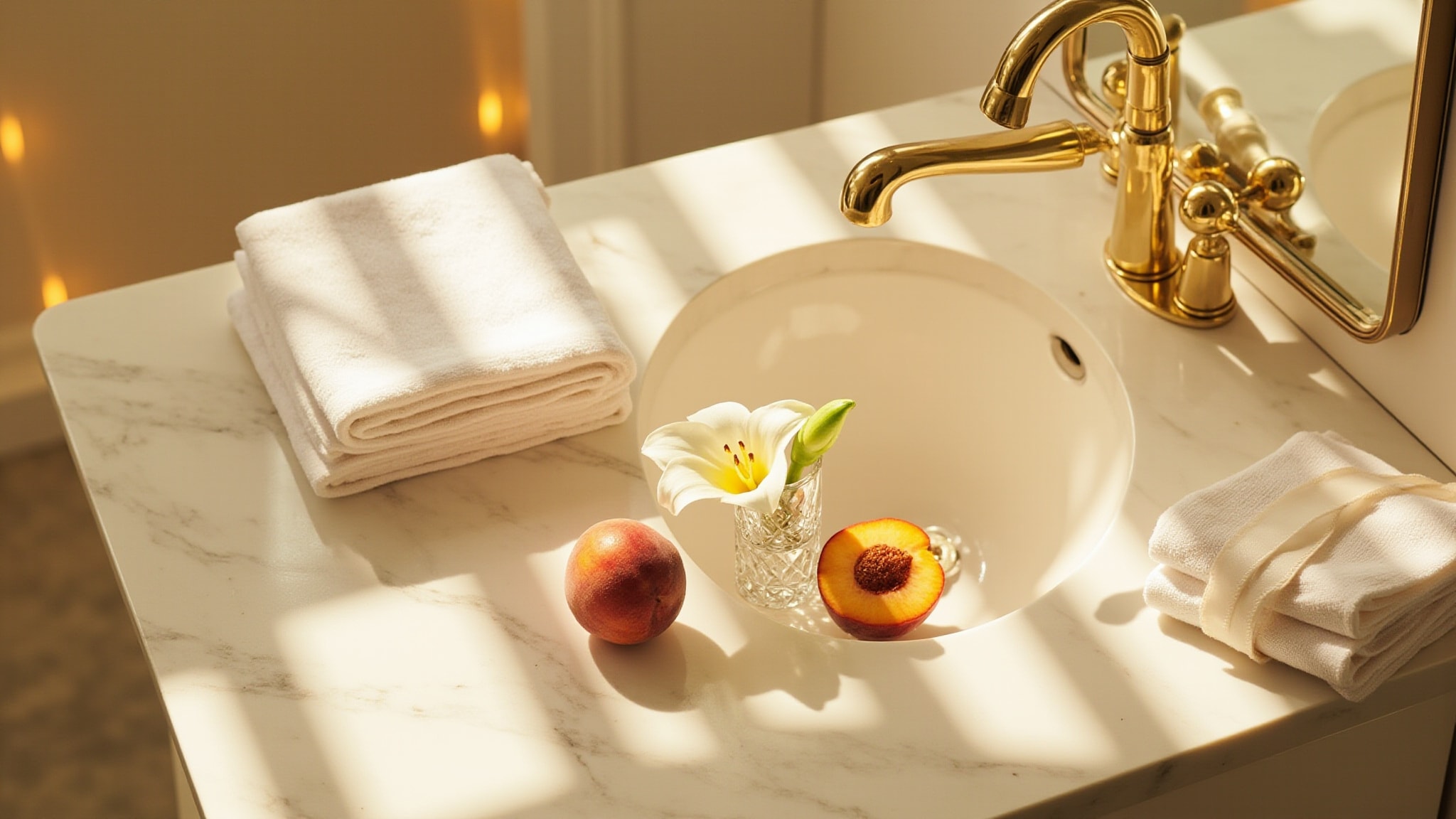
What makes this work is the Casablanca lily at its center. Not the polite lily-of-the-valley you've smelled in a hundred introductory florals, this is the real thing, voluptuous and full-bodied, with a creaminess that earns its space. The pink pepper isn't here to complicate things; it's here to keep the peach and lily from becoming saccharine. And the Madagascar vanilla at the base? It's the warmth that lingers after everyone else has left the room. Four materials. Each one doing one job. No clutter.
The evolution
The opening is peaches. Ripe ones, almost soft to the touch. The pink pepper arrives within seconds, not to prick, just to lift. For the first twenty minutes, the fragrance reads as gentle fruitiness, wearable and inviting. Then the lily takes over. It doesn't nudge the peach aside; it absorbs it. The result is a heart that's creamy and full, a Casablanca bloom that announces itself without apology. This middle phase is where the fragrance lives longest, two, three, four hours of soft white floral warmth. Eventually the vanilla arrives. Quieter now. Warmer. The kind of scent that clings to a scarf rather than filling a room.
Cultural impact
Portrait of New York - White Lily arrived in 2016 during a period when the fragrance industry was shifting toward minimalism and transparency in perfumery. Ralph Lauren's Portrait of New York collection represented a deliberate move away from maximalist chypres and orientals toward cleaner, more intimate compositions. The fragrance captures a particular moment in New York fashion and lifestyle culture, where sophistication meant restraint, where luxury felt accessible, and where the city's energy could translate into something wearable and personal rather than loud or performative.