The Story
Why it exists.
The beginning
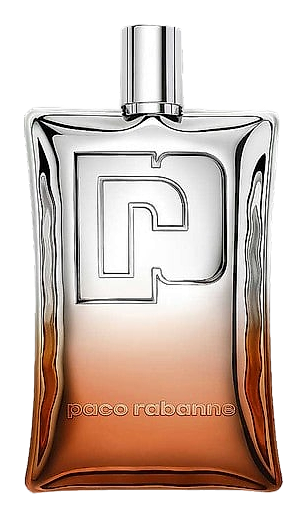
The PACOLLECTION arrived in 2019 as Rabanne's statement on singular identity, six fragrances, six states of being. Erotic Me entered the lineup not as provocation, but as invitation. What does your skin smell like when no one's watching? Perfumer Quentin Bisch answered with milk and leather: two materials that shouldn't work together, except they do. One feels like comfort. The other like memory. Together, they smell like someone you've known forever.
The osmanthus is the quiet decision here. Not the star, but the thing that makes everything else feel less accidental. Leather as a base note in a milky composition isn't common, most lactonic fragrances lean into sweetness, into dessert territory. This one grounds itself in suede. The fruit accord keeps it from becoming heavy, but the leather keeps it from becoming cute. That's the narrow ledge Erotic Me walks. And mostly, it stays balanced.
The evolution
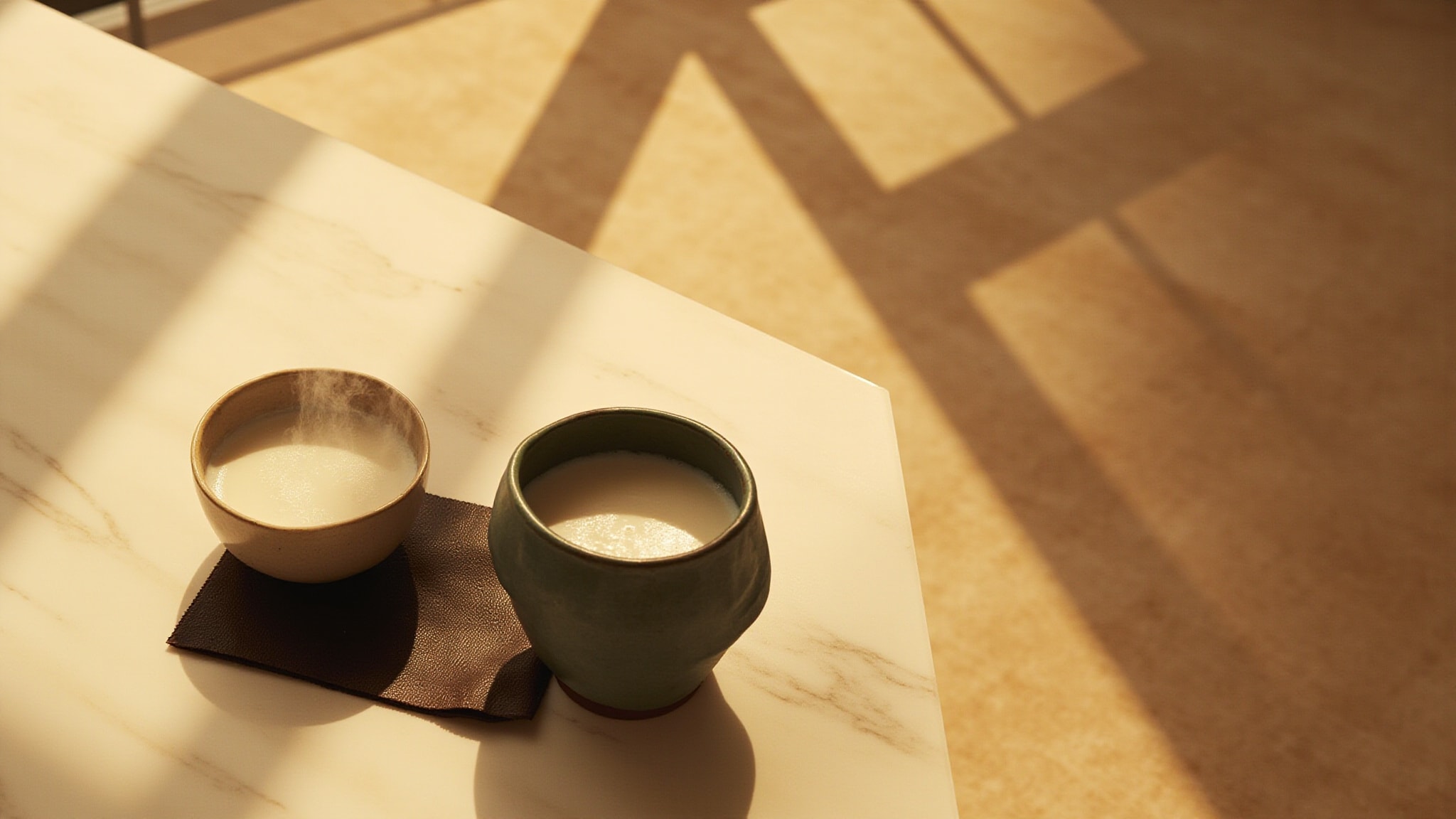
It opens fruity and ambiguous, one reviewer called it the smell of opening a pack of fruit snacks, which isn't wrong. The lactonic note arrives within minutes, warm and powdery, like milk heated on a stove. The combination creates something creamy and slightly sweet, a playful beginning that hints at complexity to come. The leather doesn't announce itself. It settles underneath, adding weight without weight, a quiet anchor that keeps the sweeter notes from floating away. By hour three, the suede has taken over the drydown, it lingers close, intimate, more felt than smelled. The texture shifts from the initial creaminess to something softer, almost like touching fine upholstery. The projection softens over time, but the longevity doesn't quit. On fabric, it carries through an evening. On skin, it stays close, a second skin effect that rewards those who lean in.
Cultural impact
Part of the PACOLLECTION, a six-fragrance unisex line, Erotic Me entered a market of bold Rabanne flankers like 1 Million and Invictus. Where those fragrances shout, this one whispers. The unisex designation matters here: milk and leather don't split cleanly along gender lines, and the composition suggests the house was thinking about skin, not stereotypes. It's a quiet rebellion against the loudness of the flankers that came before, asking wearers to lean in rather than project outward.