
The Story
Why it exists.
The beginning
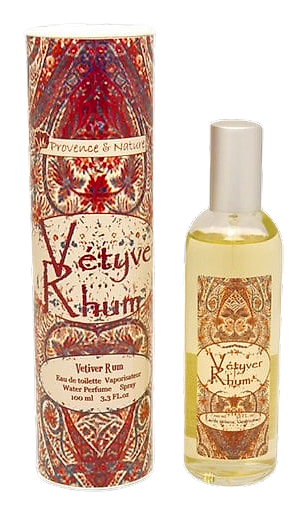
Vetyver Rhum appears to be built from a deliberately spare idea: bring vetiver and rum together and let their opposing instincts do the talking. Vetiver brings green earth, smoke, and a dry mineral edge. Rum introduces warmth, sweetness, and a boozy suggestion of the cellar. There are no confirmed details about its launch year, perfumer, or development intent, so the composition itself offers the clearest account of where the fragrance begins: two materials with little in common, placed in deliberate tension.
What makes this pairing worth exploring is its refusal of neat categories. Vetiver can smell polished, medicinal, or agricultural, while rum can feel sugary, boozy, or comforting. Together, they create a more convincing atmosphere. The woody, earthy, aromatic side keeps the sweetness grounded, while rum keeps the vetiver from disappearing into austere sophistication. The result is woody, warm, spicy, green, and faintly animalic without needing a parade of extra notes.
The evolution
The first impression is the sharper side of vetiver: green, smoky, earthy, and clean-edged. That dry authority gives way as rum begins to surface, adding a warm sweetness that feels more like a half-poured glass than a dessert. The pairing settles into something direct and distinctly classic, with woody structure doing most of the work while the rum accord softens the edges. On skin, it remains close enough for daily wear, carrying a blend of smoke, soil, and boozy warmth. As the scent settles, the green vetiver keeps its crisp, earthy character while the rum lends a rounded sweetness that never becomes heavy. The drydown is soft and steady, with the woody vetiver continuing to anchor the composition as the warmer notes gradually recede.
Cultural impact
Vetyver Rhum fits the house's uncomplicated fragrance wanderlust through a naming idea that is immediately legible: vetiver for place and earth, rum for warmth and nightlife. Its spare, woody-aromatic direction recalls the crisp, distinctive style associated with classic 1980s men's fragrances, including Armani Pour Homme, Versace pour Homme, and Ferre. The appeal lies in that directness, a two-note structure with enough tension to feel personal rather than decorative.