The Story
Why it exists.
The beginning
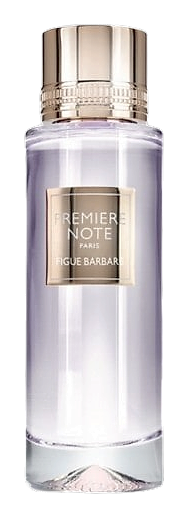
Figue Barbare was composed by perfumer Karine Dubreuil-Sereni as part of Première Note's Le Souffle du Mistral collection. The name carries Mediterranean weight, while the French 'barbare' suggests something wild and untamed, far from the cultivated garden. The brand's own copy points directly to Villa Londolina in Syracuse, the island's ancient Greek heart, inviting the wearer into that landscape. This is fig as it exists in Mediterranean memory: not the preserved fruit, but the tree itself, the sap, the leaves. The brief was rooted in place and sensory specificity, drawing on the sensory richness of the Mediterranean and the particular quality of fig in that landscape.
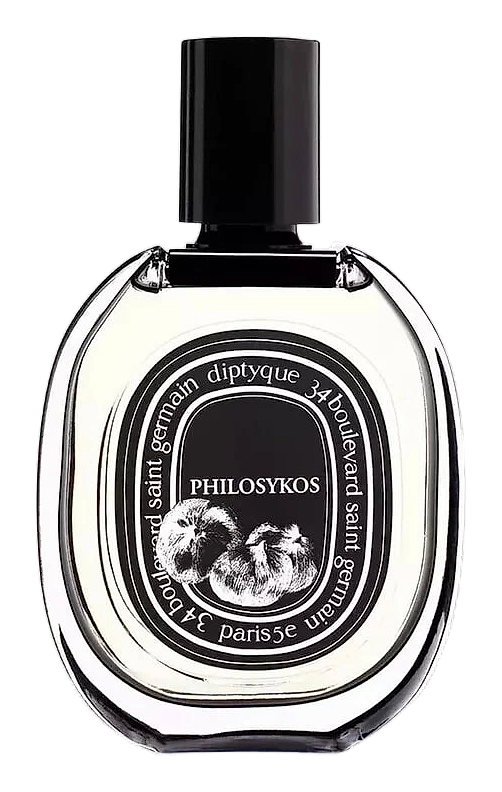
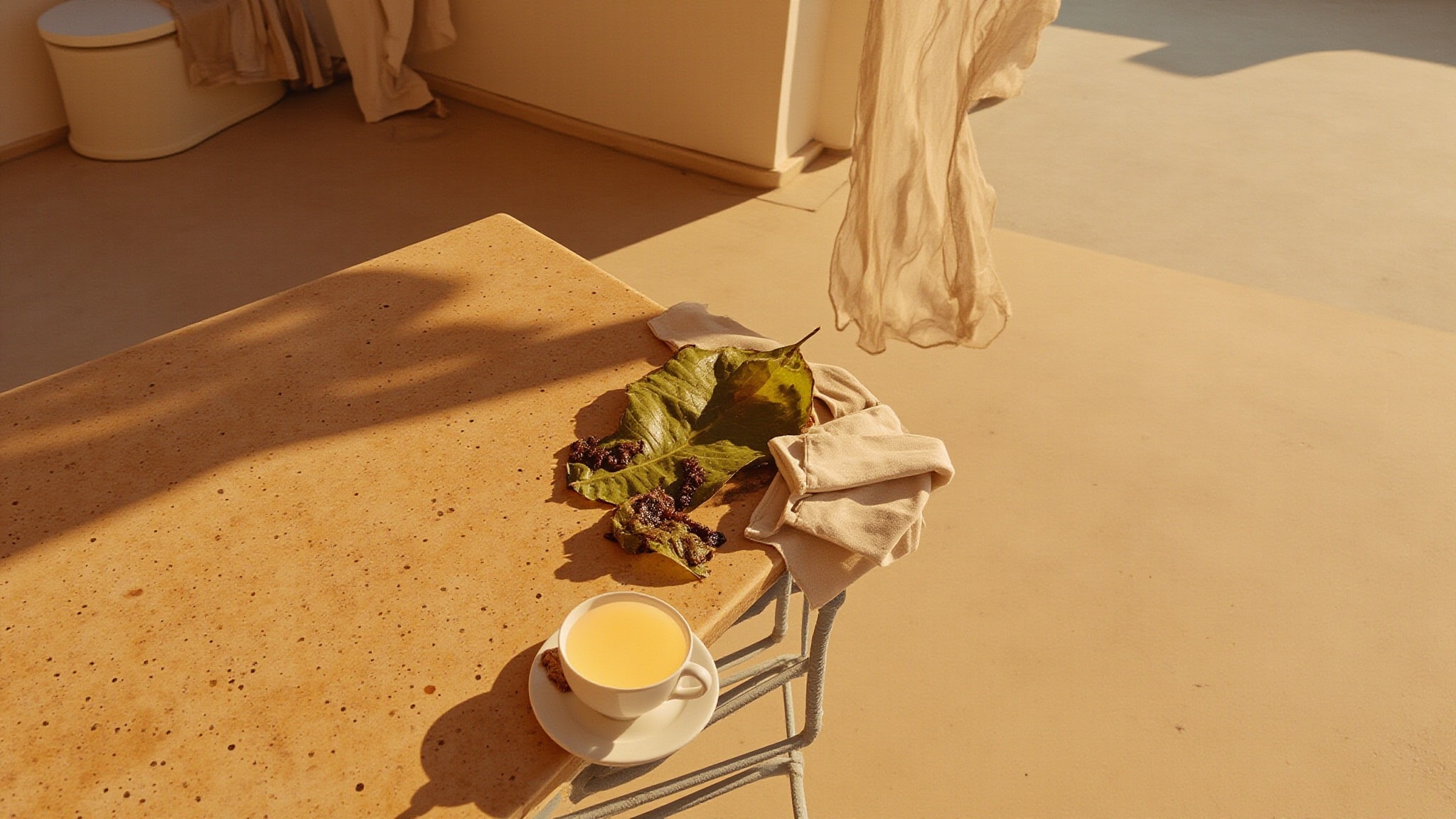
What makes Figue Barbare distinctive is its commitment to the leaf over the fruit. Most fig fragrances lean into the sweet, jammy quality of the fig itself, the flesh, the ripeness. Here, the fig leaf is the protagonist, bringing that characteristic green, slightly lactonic character that smells like the plant's sap oxidizing on your skin. Combined with the Sicilian mandarin, bright and sparkling rather than sweet, and grounded by sandalwood, the structure walks a line between garden-fresh and skin-warm. It's a composition that rewards attention, revealing different facets as it develops on the skin.
The evolution
The opening arrives quickly: mandarin's bright citrus spark, undercut by something greener. Within minutes, the fig leaf arrives in, not the sweet fruit, but the leaf itself, with its milky, slightly bitter sap quality. The white rose, subtle in the background, softens what could have been too vegetal, adding a delicate floral dimension that prevents the green notes from becoming too austere. By the heart, the composition has settled into something warm and intimate. Sandalwood and amber emerge, adding creaminess without sweetness, creating a rich, enveloping warmth that invites closeness. The drydown is quiet and close, musk and oakmoss keeping the sillage moderate, the presence personal. The fragrance remains close to the skin through its final hours, with sandalwood continuing to provide a creamy, comforting presence as other notes fade.
Cultural impact
Figue Barbare occupies a specific corner of the fig fragrance landscape: the green, vegetal interpretation rather than the sweet, jammy one. It appeals to wearers who appreciate that distinction, who want to smell like a fig tree, not fig jam. The composition has found its audience among those seeking something more unusual than the typical sweet-fruity fig fragrance, though the more familiar wearers may find the lactonic quality challenging at first encounter.