
The Story
Why it exists.
The beginning
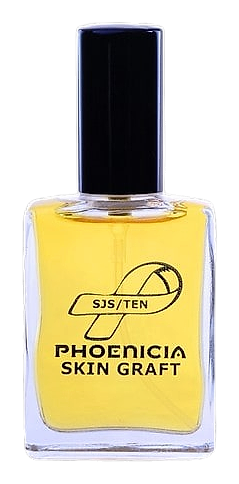
Skin Graft carries a medical origin in its name. David Falsberg created it as a grateful acknowledgment of his own blood type and the transfusions that made his work possible. The 'graft' nods to skin grafting as both surgical procedure and act of joining disparate things together. Blood orange and black pepper were meant to pull the beeswax forward, extracting something warm and golden from the heart of the composition. The result is a fragrance built from survival and gratitude, where the sweetness of honey and the intensity of jasmine become something earned rather than given.
The accord structure defies easy categorization. Honey and jasmine sambac create density and slight animalic edge. ISO E Super provides invisible architecture, it extends and amplifies without announcing itself. Opoponax adds sweet balsamic softness. Cedar grounds everything dry. These five materials shouldn't create something this unusual, but they do. The jasmine sambac carries real indolic weight, not a polite white floral but something thick, almost confrontational in its sweetness.
The evolution
The opening minute hits thick. Jasmine sambac's indolic character doesn't ease in, it arrives fully formed and slightly unsettling. Beeswax amplifies the effect, sweet and almost fermented. Blood orange sharpness cuts the edges, as promised, keeping the sweetness from becoming cloying. ISO E Super threads through transparently, preventing suffocation. Twenty minutes in, the jasmine dominates completely. Full, indolic, the opoponax adding soft warm balsamic notes that round the edges without softening them entirely. The honey remains, animalic and present. Cedar emerges underneath, fresh-cut wood, slightly green. The drydown takes over around two hours. Jasmine finally recedes. Cedar steps forward as the primary note, dry and persistent. Honey lingers in the base, animalic and warm. ISO E Super extends the woody character close to skin. Opoponax remains as a soft, sweet balsamic memory, warmth worn close to the body, not announced.
Cultural impact
Skin Graft occupies unusual territory. The name and backstory suggest something austere. The actual fragrance, honeyed, floral, animalic, is anything but. This contradiction draws a specific kind of wearer: someone who's outgrown conventional luxury and wants a fragrance with something specific to say. In niche fragrance circles, it functions as a kind of litmus test among collectors. Those who get it, get it.
The House
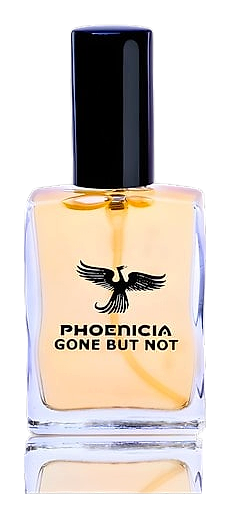
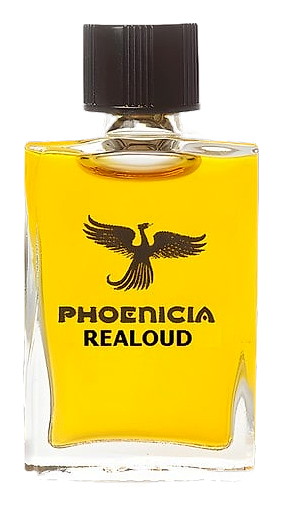
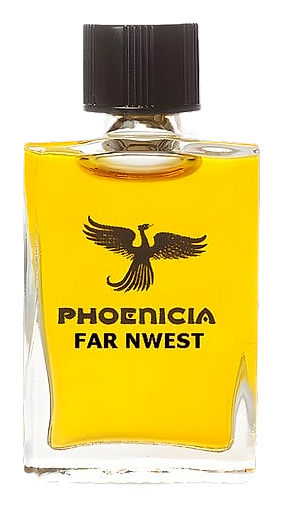
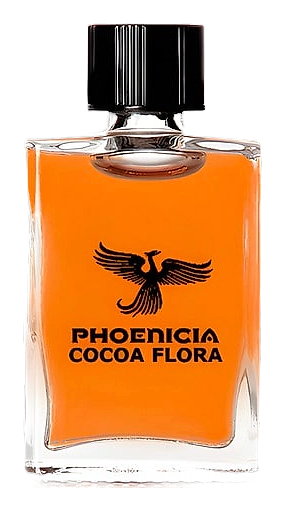
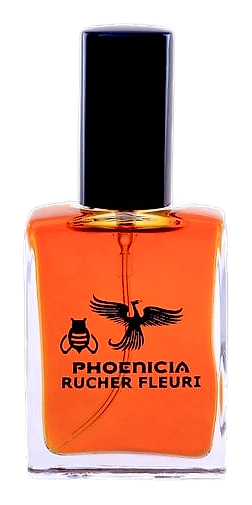
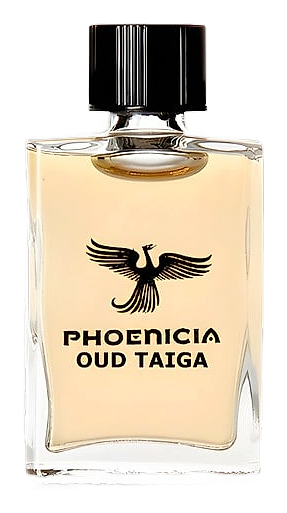
Phoenicia PerfumesPhoenicia Perfumes is a micro-niche fragrance house founded by David Falsberg, who created both the brand and its entire scent catalog as a one-man operation. The label emerged in 2013 and has maintained a deliberately small collection, with its earliest editions including REALOUD, Far NWest, Gone But Not, Rucher Fleuri, Cocoa Flora, and Skin Graft, followed by REALOUD Feral and Oud Taiga in 2014, and Narcissus Greenlight in 2024. The brand occupies a singular position in the niche fragrance world, producing scents described as art rather than commercial fragrance, targeting collectors who seek unconventional olfactory experiences beyond mainstream offerings.
The Creator
David FalsbergFalsberg's work resists easy description. He favored unexpected material pairings, bold contrasts that initially startle before slowly revealing their internal logic.