
The Story
Why it exists.
The beginning
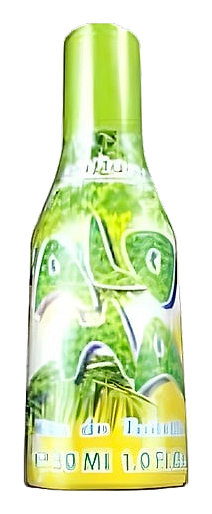
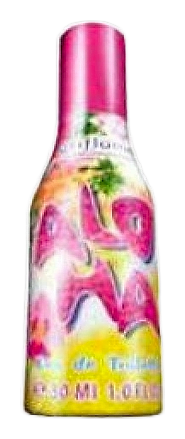
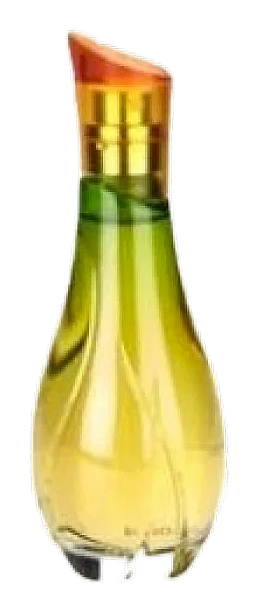
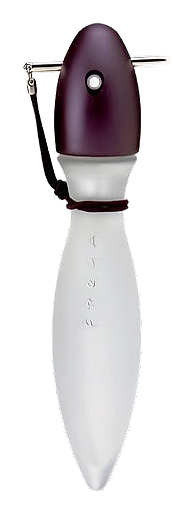
In March 2002, Oriflame launched a limited edition collection called Aloha, Hawaiian for hello. Three fragrances dropped together: Aloha Pink, Aloha Lime, and Aloha Aqua. Each one a different entry point into the same idea. Aqua chose the ocean. Not the crowded beach, but the water itself, the clarity of it, the feeling of diving in. The cold metal accord was meant to capture the specific smell of hair pushed back, of gasping after a breath, of the moment you break the surface. This is what Aloha Aqua smells like. Not a postcard of paradise. The actual sensation.
The note pyramid is minimal by design. One top note: aquatic. One heart: floral. Two base notes: amber and metal. That's it. What makes it interesting isn't the quantity of materials but the contrast the pyramid creates, a cold, clear opening handing off to something warmer, then anchoring in that metallic sheen that most fragrances either skip or bury. The cold metal accord here isn't a brief sparkle. It holds. It keeps the florals from going saccharine and the amber from going heavy. The composition earns its simplicity.
The evolution
The opening hits like a splash of cold water. Ozone clarity, that sharp aquatic punch. Then the floral heart arrives, not dramatically, just a softening, petals opening in the warmth of skin. The metal doesn't disappear. It stays, a cool thread running underneath, keeping everything at arm's length from sweetness. By the mid-stage, the amber has grown into the composition. Still fresh, still aquatic, but warmer now. Closer. The drydown is where this fragrance earns its Aloha. It doesn't just fade, it settles into something skin-like, intimate, the kind of warmth that lingers after you've dried off and the water has evaporated.
Cultural impact
Oriflame's Aloha collection brought a distinctive approach to aquatics. The metallic note in Aloha Aqua introduced a nuanced complexity that set it apart from more straightforward aquatic fragrances. It complicated the genre without losing accessibility. That balance, distinctive without being difficult, is harder to pull off than it sounds.