
The Story
Why it exists.
The beginning
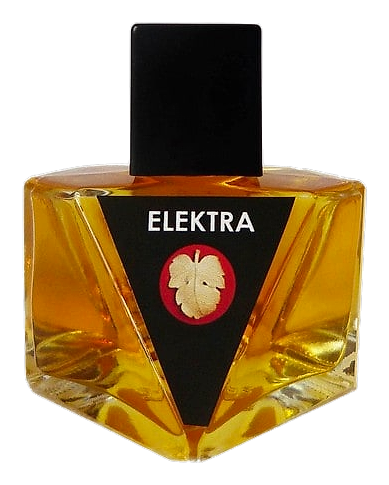
Dr. Ellen Covey built Elektra from her background in botanical science, drawing on the rich plant palette of the Pacific Northwest where Olympic Orchids is rooted. Released in 2010 under the name A Midsummer Day's Dream, the fragrance captured an idea rather than a place, the drowsy, sensual feeling of a hot afternoon: someone wild and free stretching out beneath a fruit-heavy branch, heat-dazed and unhurried. The name Elektra arrived in 2013, shortened into something sharper and more personal, but the original concept never shifted. It's still that summer afternoon, bottled.
What makes Elektra work is the tension between green and amber. Most fragrances treat fig as a sweet, creamy material, the fruit without the stem. Here, the fig leaf is the point: bright, slightly bitter, unmistakably alive. Blackcurrant adds a tart, almost vinous depth that keeps the sweetness honest rather than syrupy. The amber base doesn't try to overpower. It just holds everything in warmth, the way late afternoon sun holds a garden. The result is neither purely green nor purely oriental, it sits in the gap, which is exactly where the brand wants it.
The evolution
The opening is green, immediate, and alive, fig leaf torn open and held to the nose. There's no warm-up period. Within minutes the blackcurrant joins, bringing a tart-fruity edge that lifts the green into something brighter, more playful. The amber doesn't announce itself so much as arrive, a warm, resinous sweetness that smooths the edges and pushes the composition toward gourmand without tipping over into edible. By the mid-drydown the green has receded and what remains is sweet, warm, close to the skin. The sillage stays moderate throughout, this is not a fragrance that fills a room. It's a fragrance that someone near you notices and leans toward. The longevity holds: eight to ten hours on most skin types, settling into a quiet amber whisper by the final hour.
Cultural impact
In the landscape of niche American perfumery, Elektra occupies a specific corner: the green-gourmand lover who finds mainstream fig soliflores too sweet and wants something with actual bite. Dr. Covey's work sits comfortably alongside other botanist-driven independent houses, though her approach, let the chemistry of the plant speak first, keeps the compositions grounded in something scientific rather than purely romantic. Elektra doesn't try to be everything to everyone, and that restraint is part of its appeal to the collector audience it targets.