The Story
Why it exists.
The beginning
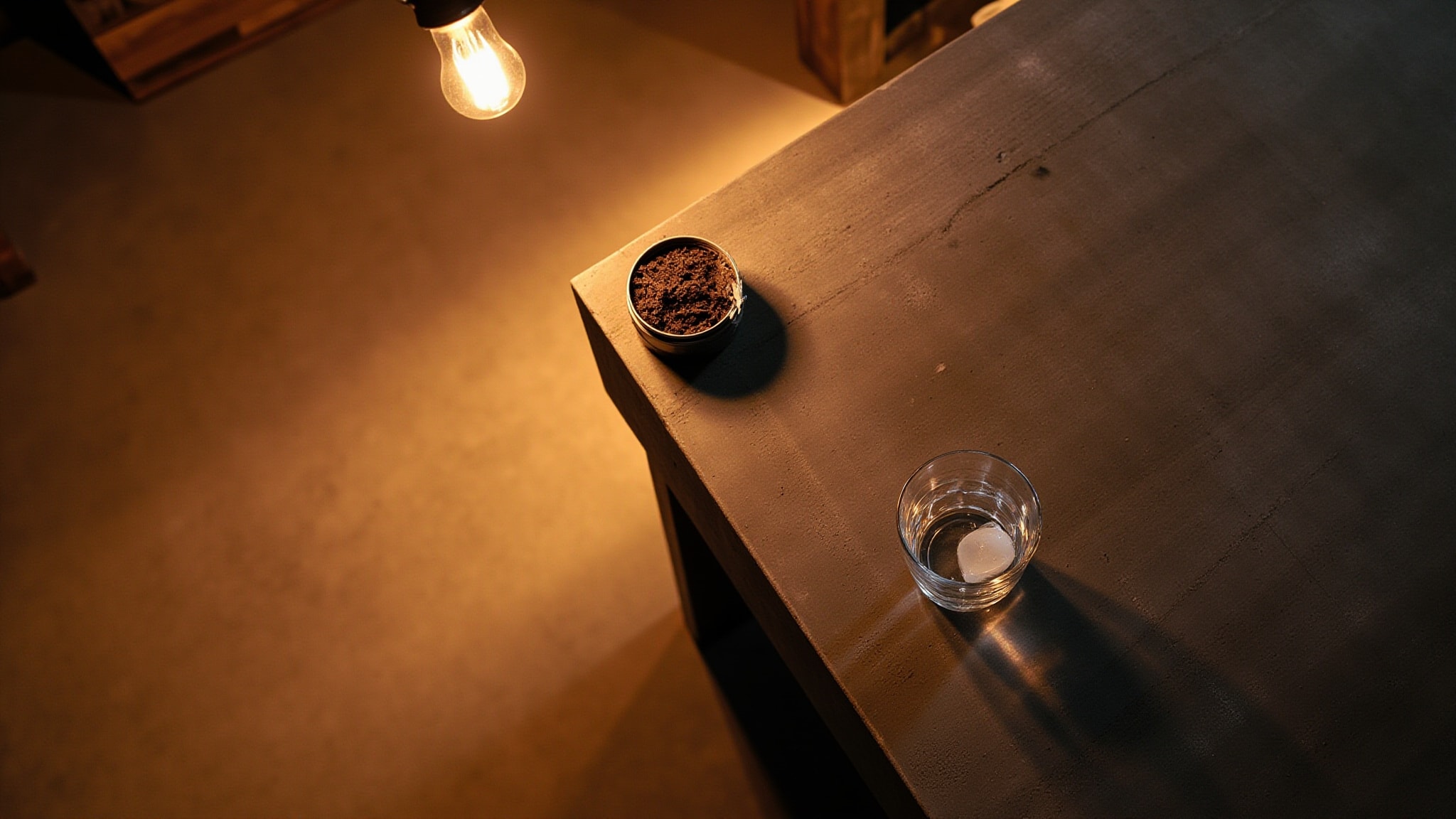
Picture old man Erastus on a walk through the Coastal Range. He climbs until the trees thin out, then the ground drops away to a cliff hung over the ocean. From a small cedar box he pulls his tobacco, rolls a cigarette, and lights it in the wind. That's the whole story Heather Sielaff set out to capture when she mixed the scent during the 2010s, in a studio she built by hand and runs on her own terms. The composition leans into the image of that solitary figure: tobacco first, wood second, whiskey threaded through the middle like the warmth that arrives once the wind dies down. There's a cedar note that calls back to the box, a dryness that lifts off the cliff, and a soft sweetness that suggests the moment after the smoke has settled. Nothing about Erastus is decorative.
What makes Erastus unusual is how stripped-down the structure is. Three materials, and Sielaff lets them fight. Tobacco and whiskey are both warm, both fermented, both carrying a kind of lived-in sweetness, but they smell nothing alike. The tobacco here reads grassy and slightly saline, closer to fresh-picked leaf than to the sweet cured leaf in most tobacco fragrances. Whiskey brings boozy warmth and a burn. The wood underneath holds them in place without smoothing the edges. This is not a tobacco-amber-vanilla crowd-pleaser. It's closer to a sketch of a moment, done in three careful lines, and the restraint is the whole point.
The evolution
The first spray is the loudest. Bitter, green, a little ashy, like someone just cracked open a fresh pouch of strong tobacco and the paper hasn't caught yet. There's a salinity underneath that's unexpected, almost like the spray of the ocean against the cliff face, that cool, briny note cutting through the leaf before the wood even shows up. Ten minutes in, the whiskey shows up. Not a polite suggestion. A real pour, warm and slightly sweet, cutting into the tobacco's dryness and turning the whole thing from rough to inhabited. The wood has been there the whole time, holding the bottom, but it deepens as the composition settles, moving into something drier and more cedar-like, closer to a matchstick than a forest. The sharp edges begin to soften, and the tobacco darkens, less grassy now, closer to a pipe smoke than a cigarette.
Cultural impact
Erastus belongs to a small wave of indie fragrances that pulled attention away from the usual department-store counter and toward the kind of scent that reads like a place rather than a product. Within OLO's own catalog, it sits alongside releases like Dark Wave and Nationale 7, each one a different story told in the same hand-mixed language. The fragrance built its reputation on the kind of wearers who reach for a single spritz and let it do the talking, who don't mind being asked what they're wearing all night. It became a quiet calling card for people who want their fragrance to carry weight, history, and a clear point of view.