
The Story
Why it exists.
The beginning
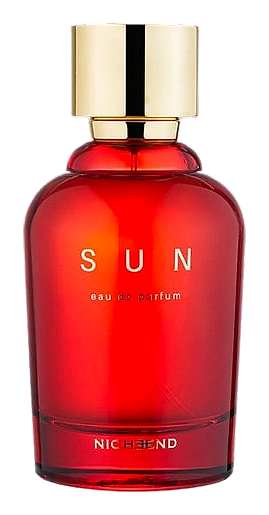
Pierre Bourdon designed Sun in 1989 as a counterpoint to the bold assertions dominating that era. The name says everything, no metaphor, no mood board, just light distilled into liquid. Where other houses reached for complexity, Bourdon built downward, finding depth through restraint. Orange blossom, bergamot, a clean citrus brightness that reads less like a fragrance note and more like the first minutes of a good day. The yellow florals arrive later, heliotrope, carnation, a quiet rose, a heart that earns its warmth rather than demanding it. By the time the vanilla anchors the base, the whole composition has settled into something that doesn't announce itself. That's the work.
The yellow florals here are specific, ylang-ylang pushed toward restraint rather than tropical excess, heliotrope used for its almond-powder character rather than old-fashioned sweetness, carnation for a warm spice that most perfumers avoid. The base leans on tonka and benzoin, not the patchouli-and-tobacco conventions of the era. What makes this unusual isn't any single ingredient but the refusal to pile on. Vanilla that doesn't smell like dessert. Powder that doesn't smell like a 1970s bathroom. Amber that glows without burning. The house's commitment to subtraction shows in every layer.
The evolution
The opening is quick and bright, bergamot and orange blossom arrive within seconds, a citrus flash that reads like light catching glass. Then the sweetness arrives, not fruit exactly but a warm juiciness that sits underneath everything. The transition to the heart takes maybe ten minutes, and this is where it gets interesting. The carnation and heliotrope create a powdery warmth that feels specific, not the talc of a hundred generic florals but something with a quiet spice to it. The ylang-ylang keeps it from going fully sweet. The drydown is the whole point of wearing this. Vanilla and benzoin wrap around the skin, the tonka bean adding a coumarin creaminess that lingers for hours. The musk holds everything close. This is a fragrance that stays, not projecting aggressively but present, warm, intimate.
Cultural impact
Sun arrived in 1989 as a deliberate counter-movement to the maximalist fragrances dominating that era. At a time when bold orientals and heavy chypres defined mainstream perfumery, Jil Sander released something deliberately quiet and warm. The powder-vanilla aesthetic it championed would go on to influence a generation of designers seeking elegance through restraint rather than sillage. Its longevity as a cult favorite speaks to how it captured something enduring about what a daytime floral could be.