
The Story
Why it exists.
The beginning
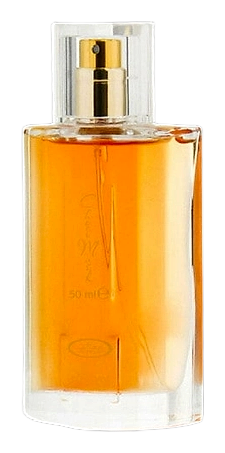
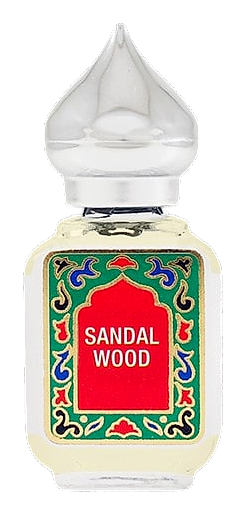
The Attarwala family spent generations perfecting sandalwood. Not as a statement, as a relationship. Sandal Wood is that relationship made accessible. Released in 1991, it translates over a century of attar-making knowledge into an EDP format that brings the ingredient close to the wearer rather than out into a room. The goal was simple: sandalwood without the distance.
What makes this sandalwood different comes from the source. Australian sandalwood, sustainably harvested, gives the composition a particular warmth, creamy rather than sharp, powdery rather than medicinal. The fresh woods in the opening keep it from feeling heavy. The cream in the base keeps it intimate. This is sandalwood made for wearing, not for displaying.
The evolution
Fresh woods arrive first. Bright, clean, a little green, like opening a window in an old study. The sandalwood waits beneath, not yet visible but present. Fifteen minutes in, the wood arrives fully. Creamy, warm, the natural oils expressing themselves without apology. The powdery quality builds quietly, intimate rather than announcing itself. The late drydown is where this fragrance becomes personal. The cream softens everything into an almost skin-like quality. The sandalwood persists as a quiet foundation. What lingers is warm, close, almost invisible to everyone but you.
Cultural impact
Sandal Wood exists in a different register than most Western fragrances. In a market that rewards projection and sillage, this one asks to be worn close. It's found its audience among people who understand that intimacy is its own kind of strength, those who want warmth from the inside out, not a scent that announces their arrival. The brand's following has grown precisely because Nemat doesn't chase attention.